
Descubre polvo de cúrcuma orgánico, puro y recién molido a partir de rizomas de cúrcuma cuidadosamente seleccionados. Este polvo de cúrcuma orgánico está certificado y producido con prácticas agrícolas sostenibles, ofreciendo un producto limpio y confiable en el que puedes confiar. Cada lote de polvo de cúrcuma orgánico se muele hasta obtener una textura fina y uniforme, y se sella en un frasco de vidrio ámbar para protegerlo de la luz y preservar su calidad. El empaque presenta etiquetado claro, medición práctica y una tapa re-sealable para un almacenamiento cómodo. El polvo de cúrcuma orgánico tiene un uso versátil en el día a día, más allá de la cocina. Es adecuado para teñidos naturales, manualidades y proyectos de bricolaje donde el color y la consistencia son importantes, permitiéndote explorar aplicaciones creativas con una base confiable. Compra ahora para añadir polvo de cúrcuma orgánico a tu colección. Espera una entrega confiable, información transparente sobre el origen y una experiencia de compra sencilla. Compra ya.
Polvo de cúrcuma orgánico - Puro, fresco y rico en curcumina
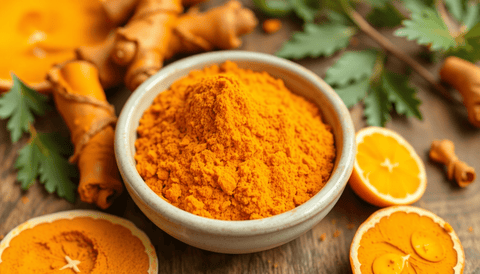
Organic turmeric powder is far more than a pantry staple; it’s a versatile ingredient with a rich history in cooking, crafting, and traditional wellness practices. This guide explores the world of organic turmeric powder, from understanding its origins and quality markers to practical ways it can be used in your daily routine. Whether you are a seasoned cook, a DIY enthusiast, or simply curious about this golden spice, this page provides a broad overview to help you make informed choices.
What is Organic Turmeric Powder?
Turmeric is a plant native to South Asia, and its underground stems, or rhizomes, are the source of the spice we know as turmeric powder. The organic designation means the turmeric is cultivated without the use of synthetic chemicals, following strict standards that prioritize soil health and ecological balance. The rhizomes are harvested, cleaned, boiled or steamed, dried, and then ground into a fine powder.
The result is a vibrant yellow-orange powder with a distinct, earthy aroma and a warm, slightly bitter flavor. Organic turmeric powder contains a group of naturally occurring compounds called curcuminoids, with curcumin being the most well-known. These compounds are responsible for the spice's characteristic color and are a major reason for its popularity in both food and traditional wellness applications.
Choosing organic turmeric powder is a decision that goes beyond personal preference. It supports farming methods that avoid synthetic pesticides and fertilizers, which some consumers prefer for both environmental and purity reasons. For a broader look at how turmeric and its key compound curcumin are viewed in the context of supplements, you can explore our curcumin collection for more information.
Key Quality Indicators for Organic Turmeric Powder
When selecting an organic turmeric powder, several factors can indicate its quality and suitability for your needs. Understanding these markers helps you choose a product that is fresh, pure, and delivers the expected color and flavor.
Here are some of the most important aspects to consider:
- Certification: Look for a recognized organic certification on the packaging. This ensures the product meets established standards for organic farming and processing.
- Source: Some brands specify the region where the turmeric is grown. While not a strict guarantee of quality, this can indicate traceability and a commitment to transparent sourcing.
- Color and Aroma: Fresh, high-quality turmeric powder should have a deep, vibrant yellow-orange color and a pungent, earthy smell. A dull or faded color may suggest an older product.
- Texture: A fine, uniform powder is generally preferred as it blends more easily into liquids and recipes. Coarse or clumpy textures may indicate improper processing or storage.
- Packaging: Because turmeric powder is sensitive to light, air, and moisture, quality products are often packaged in opaque, airtight containers to preserve freshness and potency.
Versatile Uses for Organic Turmeric Powder
The applications for organic turmeric powder are exceptionally broad, making it a valuable item in many households. Its most common use is culinary, but its properties also make it useful for creative and practical projects.
Culinary Applications
In the kitchen, organic turmeric powder is a foundational spice in many global cuisines. It is a key ingredient in curry powders and blends, providing color and a warm, earthy flavor to dishes. It can be used to season roasted vegetables, rice, lentils, and soups. A pinch can also be added to smoothies, golden milk, or tea for a subtle flavor and a vibrant hue.
Creative and DIY Projects
Beyond the kitchen, the consistent and strong pigment of turmeric powder makes it a popular choice for natural dyeing. It can be used to dye fabrics, Easter eggs, or even paper crafts. Its color and texture also make it a dependable ingredient for homemade playdough and other DIY projects where natural colorants are preferred.
Understanding Turmeric Supplements
While turmeric powder is a common spice, turmeric is also available in supplement form, such as capsules or extracts. These supplements are often standardized to contain a specific percentage of curcumin, the compound of interest in many wellness discussions. However, turmeric supplements and turmeric powder are used for different purposes.
The distinction is important because the way turmeric is consumed affects how it is processed by the body. If you are interested in learning more about these specific products, our turmeric supplements category offers a more focused look at this form. For a general overview of how supplements fit into a balanced diet, you may also find our superfoods guide to be a helpful resource.
How to Store Organic Turmeric Powder
Proper storage is essential for maintaining the quality, color, and flavor of organic turmeric powder. Exposure to air, light, heat, and moisture can cause it to lose potency and clump over time.
- Store in an airtight container after opening to prevent moisture and air from degrading the powder.
- Keep the container in a cool, dark place, such as a pantry or cupboard, away from direct sunlight and heat sources.
- Use a dry spoon when measuring to prevent introducing moisture into the jar.
- Note the best-by date on the package and use the powder within a reasonable time for the best flavor and color.
Resealable packaging, like the cap on an amber glass jar, is a practical feature that helps maintain freshness between uses.
Frequently Asked Questions About Organic Turmeric Powder
Before exploring the many articles and products associated with this topic, it can be helpful to address some common questions that people have when considering organic turmeric powder.
Is organic powdered turmeric good for you?
Organic turmeric powder is generally considered a safe and healthy spice when used in normal culinary amounts. It is a source of dietary fiber and contains minerals like iron and manganese. The curcuminoids it contains are also of interest to researchers, though more specific benefits are the subject of ongoing scientific study. It is always wise to incorporate any new food into your diet with moderation.
What is the best quality organic turmeric powder?
The “best” quality often comes down to personal preference for flavor, color, and sourcing. Generally, high-quality organic turmeric powder will be certified organic, have a strong, fresh aroma, a vibrant color, and be sealed in packaging that protects it from light and air. Some people may prefer a higher curcumin content, which is often indicated on specialty products but is less frequently listed on culinary spice jars.
Exploring the Topic Further
This guide is intended to provide a broad foundation for understanding organic turmeric powder. The world of turmeric is deep, encompassing everything from its agricultural origins to the latest scientific research on its compounds. To dive deeper into specific areas of interest, such as its role in traditional herbal practices, we recommend exploring our herbal supplements guide. The related articles on this page will also provide more specialized knowledge on particular facets of turmeric, from detailed comparisons to specific usage advice.