Vitaminas orgánicas: Nutrición pura de origen vegetal para un bienestar máximo


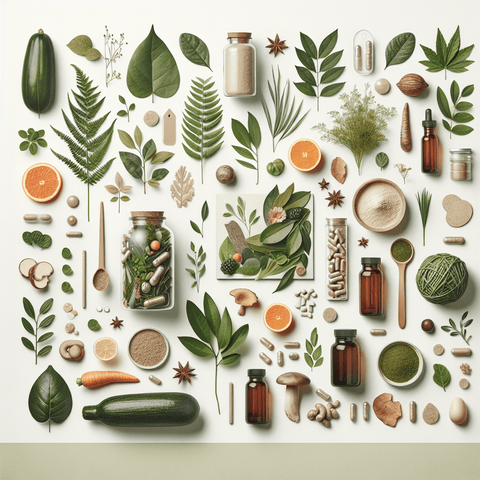
Las vitaminas orgánicas representan una categoría de productos de nutrición basados en plantas, enfocados en pureza y transparencia. Construidas a partir de ingredientes de origen botánico, estos suplementos enfatizan los estándares de agricultura orgánica, procesos limpios y prácticas de abastecimiento claras. En este ámbito, las vitaminas orgánicas se describen por su origen vegetal, procesamiento mínimo y listas de ingredientes sencillas, diseñadas para lectores que valoran la trazabilidad y la integridad del producto. Descubra cómo las vitaminas orgánicas pueden integrarse en un enfoque basado en plantas para las rutinas diarias. La certificación juega un papel clave para identificar las vitaminas orgánicas. Programas como USDA Organic y sus equivalentes regionales establecen reglas sobre los insumos agrícolas, la prohibición de pesticidas sintéticos y la manipulación segura desde la granja hasta el frasco. Cuando ve un producto de vitaminas orgánicas con una certificación confiable, esto indica alineación con los principios de la agricultura orgánica y cadenas de suministro transparentes. Los detalles en la etiqueta brindan información sobre el origen y los estándares cumplidos durante la producción. La formulación en vitaminas orgánicas enfatiza ingredientes limpios y métodos de preparación a base de plantas. Estos productos pueden presentar mezclas de precursores vitamínicos, extractos botánicos y transportadores de origen natural, con énfasis en aditivos mínimos. El lenguaje en torno a "nutrientes potentes" destaca la concentración lograda mediante una cuidadosa selección y procesamiento de las vitaminas orgánicas, sin implicar resultados específicos. El enfoque permanece en la base vegetal y la claridad en la lista de ingredientes. La compra de vitaminas orgánicas puede facilitarse buscando pruebas de terceros, trazabilidad por lotes e información sobre alérgenos. Una etiqueta transparente mostrará el origen de los ingredientes, números de lote y fechas de producción, ayudándote a evaluar la calidad. Las opciones de empaquetado que protejan ingredientes sensibles, como envases opacos a la luz, también son comunes. Comienza a prosperar hoy explorando opciones que se alineen con tus valores respecto a las vitaminas orgánicas y el abastecimiento basado en plantas.


What supplements are considered natural? - Topvitamine
29 de October, 2025
Los suplementos naturales pueden proceder de plantas, alimentos, minerales u otras fuentes naturales, pero el término no garantiza que sean más seguros ni más eficaces. Esta guía explica las diferencias entre suplementos herbales, vitaminas orgánicas, productos de alimentos integrales y fórmulas de etiqueta limpia. También ofrece criterios prácticos para revisar ingredientes, controles de calidad, posibles interacciones y necesidades individuales antes de elegir.
Unlocking the Truth About Natural vs. Synthetic Supplements: Which Is Better for Your Health - Topvitamine
01 de September, 2025
Los suplementos naturales y sintéticos pueden aportar nutrientes, pero su origen no determina por sí solo su seguridad o eficacia. Esta guía explica sus diferencias, el significado real de términos como etiqueta limpia y ecológico, y qué revisar antes de elegir vitaminas, minerales o extractos herbales. También incluye precauciones sobre interacciones, certificaciones, fórmulas infantiles y retiradas de productos.
What Are Whole Food Supplements? Benefits and How to Choose Them | Topvitamine - Topvitamine
28 de August, 2025
Los suplementos alimenticios integrales se elaboran a partir de concentrados de alimentos u otras fuentes naturales y pueden aportar vitaminas, minerales u otros nutrientes. No siempre son superiores a los suplementos sintéticos: la elección depende del nutriente, la cantidad, la forma, la calidad y las necesidades individuales. Esta guía explica sus diferencias, qué minerales necesita el organismo y qué revisar antes de comprar o utilizar un suplemento.
Are Natural Supplements Safer Than Synthetic Ones? Exploring Risks and Benefits - Topvitamine
24 de August, 2025
Los suplementos naturales no son automáticamente más seguros que los sintéticos. La seguridad depende del ingrediente, la dosis, la formulación, la calidad del producto, su etiquetado y las circunstancias de cada persona. En esta guía comparamos ambas opciones, explicamos qué revisar antes de elegir un suplemento y resumimos normas básicas de seguridad alimentaria y manipulación.
Why Nature’s Plus Whole-Food Multivitamins Are Best for Women’s Health | Topvitamine - Topvitamine
05 de July, 2025
Esta guía sobre el multivitamínico Nature’s Plus para mujeres explica qué revisar en una fórmula, qué significa que sea de alimentos integrales y qué nutrientes suelen incluir los productos para mujeres. También compara criterios como dosis, ingredientes, alérgenos y tolerancia digestiva, sin asumir que una marca es la mejor para todas. Incluye respuestas a preguntas frecuentes sobre Nature’s Plus, Nature Made y los posibles cambios intestinales asociados a los multivitamínicos.

Organic vitamins have become a popular choice for people seeking supplements that emphasize purity, transparency, and plant-based nutrition. This guide provides a broad overview of what organic vitamins are, why they matter, and what to look for when choosing a product. It is designed to help you understand the landscape of organic supplements so you can make an informed choice that fits your values and lifestyle.

What Are Organic Vitamins?

Organic vitamins are a category of dietary supplements built around botanically derived ingredients. These products emphasize organic farming standards, which restrict synthetic pesticides, herbicides, fertilizers, and genetically modified organisms (GMOs). The goal is to produce supplements with a cleaner, more natural profile, focusing on purity and transparency in sourcing and manufacturing.

The formulation of organic vitamins often includes blends of vitamin precursors, botanical extracts, and naturally derived carriers. The focus is on minimal processing and straightforward ingredient decks, which appeals to people who value traceability and product integrity in their daily nutrition routines.

Why Choose Organic Vitamins?

Many people are drawn to organic vitamins because they prefer a plant-based approach to supplementation. The appeal often lies in the perceived alignment with a cleaner lifestyle, where the ingredients in supplements match the same organic principles used for food. Organic vitamins may be particularly relevant for those who are already conscious about the origin of their food and want their supplements to follow the same standards.

While individual experiences vary, the choice to use organic vitamins is often motivated by a preference for fewer synthetic additives and a desire for transparency from farm to bottle. For many, the focus is on the overall approach to wellness rather than on any single nutrient.

Understanding Certifications and Label Claims

Certification plays a key role in identifying organic vitamins. Programs such as USDA Organic and their regional counterparts set rules on farming inputs, prohibition of synthetic pesticides, and secure handling from farm to bottle. When you see an organic vitamins product with a trusted certification, it signals alignment with organic farming principles and transparent supply chains.

Important certifications and label terms to look for include:

  • USDA Organic: Indicates the product meets strict federal standards for organic farming and processing.
  • Non-GMO Project Verified: Means the product was produced without genetically engineered ingredients.
  • Whole Food or Plant-Based: Often suggests the nutrients are derived from food sources rather than isolated synthetics.

Key Ingredients in Organic Vitamins

Organic vitamins typically rely on a foundation of plant-based ingredients. These may include:

  • Nutrient-rich botanical extracts
  • Whole-food vitamin precursors
  • Naturally derived carriers and fillers

The emphasis is on minimal additives and clarity in the ingredient list. This approach prioritizes the plant-based foundation and the concentration of nutrients achieved through careful sourcing and processing.

How to Choose a High-Quality Organic Vitamin

Shopping for organic vitamins can be aided by looking for several quality indicators:

  • Third-party testing for purity and potency
  • Batch traceability, indicated by lot numbers
  • Clear allergen information
  • Transparent labels showing ingredient sourcing and production dates
  • Packaging choices, such as light-opaque containers, that protect sensitive ingredients

These details can help you assess the overall quality and integrity of a supplement, allowing you to make a more informed decision. For more guidance on supplement ingredients, you might explore our natural supplements collection. You can also learn about specific nutrients like vitamin D or vitamin C to understand their roles in overall wellness.

Organic vs. Synthetic Vitamins: What's the Difference?

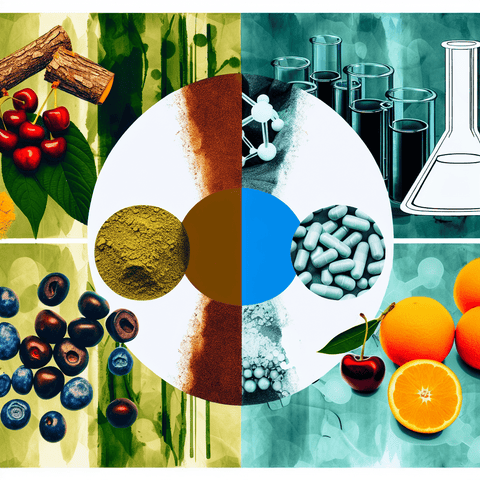
The main difference between organic and synthetic vitamins lies in their origin. Organic vitamins are derived from plant-based, whole-food sources, while synthetic vitamins are made in a laboratory from isolated chemical compounds. Organic vitamins may contain a complex matrix of naturally occurring co-factors, whereas synthetic versions typically provide a single, isolated nutrient. This difference in origin can be important for people who prefer whole-food-based nutrition, though both types can play a role in addressing nutrient needs.

Popular Organic Vitamin Brands

Several brands have become well-known for their focus on organic, plant-based vitamins. These brands often distinguish themselves through their sourcing practices, certifications, and product formulations:

  • Garden of Life: Known for its whole-food, certified organic supplements.
  • MaryRuth Organics: Offers liquid vitamins made from organic, plant-based ingredients.
  • PlantFusion: Focuses on plant-based nutrition and organic ingredients in its supplement formulations.

This list is not exhaustive, but it illustrates the range of options available. For a broader look at supplement types, you can explore our multivitamin guide to compare different formulations.

Exploring The Topic Further

This guide provides a broad overview of organic vitamins, but there are many more specific questions you might have. Choosing the best brand, understanding specific nutrients, and the role of supplements in your overall health are all topics that deserve a deeper look. Continue exploring our resources to find more detailed information and make a decision that fits your personal wellness journey.