
Desbloquea tu mejor bienestar con la optimización de la salud personalizada. Este enfoque te centra, combinando conocimientos respaldados por la ciencia con rutinas prácticas. Nuestros programas giran en torno a tres pilares: nutrición, actividad y sueño, cada uno adaptado a tu vida diaria, preferencias y metas. A través de la optimización de la salud personalizada, avanzas más allá de las recomendaciones genéricas hacia un marco que se ajusta a medida que evolucionan tus necesidades. El énfasis está en un camino personalizable, diseñado para encajar en tu forma de vivir hoy y en cómo quieres vivir mañana. Con planes respaldados por la ciencia y adaptados para nutrición, actividad y sueño, el proceso comienza con claridad y estructura. El enfoque destaca la evaluación, la personalización y el perfeccionamiento continuo, traduciendo métodos basados en evidencias en un plan que es fácil de seguir y ajustable. Trabajarás dentro de un sistema transparente que registra tus aportaciones y avances en las métricas que elijas, ofreciendo una visión clara de cómo se desarrolla tu plan sin prometer resultados exagerados. La accesibilidad y la adaptabilidad son esenciales en la optimización de la salud personalizada. Ya sea que estés manejando el trabajo, la familia u otras prioridades, este marco está diseñado para adaptarse a tu horario y limitaciones. Priorizamos la privacidad, el manejo seguro de datos y la orientación confiable, además de proporcionar herramientas para revisar tu actividad y rutinas. Experimentarás un acompañamiento de apoyo y hitos que respetan tu autonomía y ritmo. Comienza hoy. Inicia tu camino con la optimización de la salud personalizada y explora planes respaldados por la ciencia, enfocados en nutrición, actividad y sueño. Esta es una invitación práctica para crear un camino que se alinee con tus preferencias y metas personales. Da el primer paso ahora y deja que el proceso evolucione contigo a medida que avanzas.
Optimización de la salud personalizada: desbloquea tu mejor bienestar
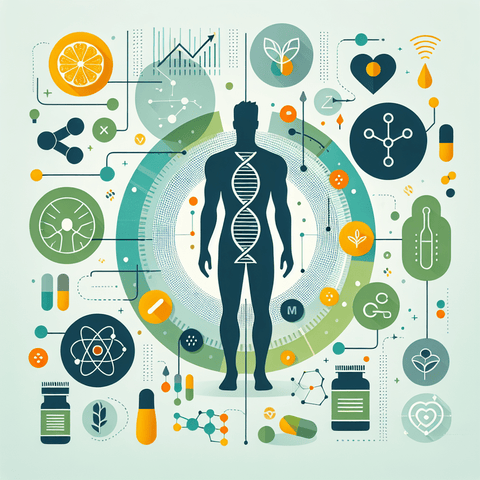
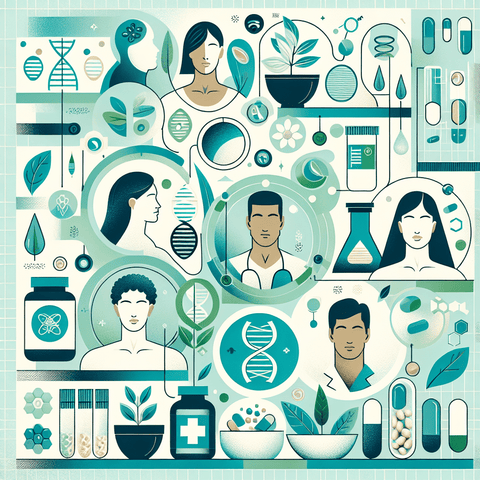
Personalized health optimization is an approach that moves away from generic health advice and toward a plan designed around you. It’s about understanding that your unique genetics, lifestyle, environment, and preferences play a significant role in your overall well-being. Instead of following broad guidelines, this method focuses on creating a tailored strategy to help you feel your best. This page explores the key ideas, components, and practical considerations behind this evolving field, offering a broad overview of how it works and why it matters.
What Is Personalized Health Optimization?
At its core, personalized health optimization is a proactive process of designing a health strategy that is as unique as you are. It's a significant departure from the traditional, reactive model of healthcare, which often focuses on diagnosing and treating disease. Instead, personalized health optimization is oriented toward improving health and well-being. This might involve enhancing energy levels, improving sleep quality, optimizing athletic performance, or simply supporting a stronger foundation for long-term health.
A key difference lies in the starting point. Traditional medicine typically uses a population-based approach, where recommendations are designed for the average person. Personalized health optimization, by contrast, begins with you as an individual. It considers a wide range of factors—from your dietary habits and stress levels to your genetic predispositions and daily routines—to create a plan that is specific and relevant to your life.
This often involves a continuous cycle of assessment, planning, and refinement. You gather data about your body, create a plan based on that data, and then adjust the plan as you see results or as your circumstances change. This makes it a dynamic and responsive method, rather than a static set of rules to follow.
Key Drivers: Nutrition, Lifestyle, and Diagnostics
While the specific components of a personalized plan can vary, it is often built on several core pillars. These are the primary areas where individualization can have a profound impact.
Nutrition and Diet
This moves beyond generic food pyramids. Personalized nutrition looks at how your body responds to different foods, considering factors like food sensitivities, metabolic health, and even your gut microbiome. The goal is to create a sustainable eating pattern that provides the right fuel for your body's specific needs. This might mean adjusting macronutrient ratios, timing meals to support energy, or focusing on particular nutrient-dense foods.
Physical Activity and Recovery
Exercise is another fundamental component. Personalization here isn't just about telling you to exercise; it’s about finding the type, intensity, and duration of activity that works best for your body and goals. This could involve tailoring a training plan around your current fitness level, recovery capacity, and schedule. It also emphasizes that rest and sleep are just as important as the workout itself for seeing progress and feeling good.
The Role of Advanced Diagnostics
Advanced diagnostics are increasingly used to inform personalized plans. These tools provide data that can guide decisions, moving beyond guesswork.
- Comprehensive blood panels: These can reveal markers for vitamin and mineral status, blood sugar control, inflammation, and organ function, identifying potential areas for improvement.
- Genetic testing: This can provide insights into how your body may process certain nutrients, your potential for athletic performance, or your predispositions to certain health challenges.
- Wearable technology: Devices like fitness trackers and smartwatches can continuously monitor sleep quality, heart rate variability, activity levels, and more, providing longitudinal data to track progress.
These tools are not about diagnosing disease but about understanding your body's current state to make proactive choices.
Weighing the Benefits and Considerations
Like any health approach, personalized health optimization has potential benefits and certain challenges to consider.
Potential Benefits
- Increased Relevance: By targeting your specific needs, the advice is more likely to be effective and sustainable for you.
- Better Engagement: You may be more motivated to follow a plan that feels custom-made for you, rather than a generic set of instructions.
- Proactive, Not Reactive: The focus is on improving health and preventing future issues, rather than just responding to symptoms.
Important Considerations and Potential Downsides
It is also crucial to understand the practical and ethical limitations of this field. The evidence base for many personalized strategies is still evolving, and it’s not a substitute for professional medical care.
- Cost and Accessibility: Advanced testing and specialized coaching can be expensive and may not be accessible to everyone, potentially widening health disparities.
- Data and Privacy: The collection and management of sensitive personal health data raise significant concerns about privacy and security.
- Evidence Base: While promising, the scientific evidence supporting the efficacy of all aspects of personalized optimization is still growing. It is important to be a critical consumer of information.
How It Compares to Traditional Medicine
The difference between personalized health optimization and traditional medicine is often about intent and scope. Traditional medicine is central to your health journey. It is essential for diagnosing and treating disease, managing acute conditions, and providing preventative screenings. It operates within a framework of evidence-based protocols designed for large populations.
Personalized health optimization is not a replacement for this system but rather a complementary approach focused on wellness. It sits in a space between purely medical care and general lifestyle advice, aiming to use individual-level data to optimize how you feel on a daily basis. In practice, they can work together. For example, a doctor may diagnose high blood pressure, and a personalized optimization plan might help you manage it through lifestyle changes, in consultation with your healthcare provider.
Exploring the Topic Further
The field of personalized health is broad. Related concepts include terms like the "5 C's" of healthcare—which can be described as Care, Compassion, Competence, Communication, and Coordination—or definitions of personalized healthcare, which emphasizes considering a person's genetic profile, environment, and lifestyle. These are useful starting points for deeper understanding.
This tag page serves as a starting point for your exploration. A key part of any personalized plan—especially concerning nutrition and lifestyle—often involves ensuring your body has a strong foundation of essential nutrients. You may find it useful to learn more about foundational supplements, such as a high-quality multivitamin guide or other specific nutrients that may be relevant to your goals.
Common Questions About Personalized Health
Here are high-level answers to some common broad questions. For detailed, step-by-step advice, look for dedicated articles on this site, as each topic can be explored in more depth.
What does health optimization mean?
Health optimization is the process of making proactive changes to your lifestyle and environment to improve your overall quality of life and well-being. It is about moving beyond the absence of disease and actively working to feel more energetic, focused, and resilient. It’s a continuous process of tweaking and refining your habits to align with your specific goals.
What are the downsides of using personalized medicine?
Some of the main challenges include high costs, potential unequal access to testing and specialists, concerns over the privacy of sensitive genetic and health data, and the fact that the scientific evidence supporting many personalized interventions is still developing. It’s important to weigh these factors carefully.
What does personalized healthcare mean?
Personalized healthcare, also known as precision medicine, is a medical model that proposes the customization of healthcare—with all decisions and practices being tailored to the individual patient. This often involves using genetic or other biomarker information to guide decisions about prevention, diagnosis, and treatment. It's a broad term that aims to make healthcare more precise and effective.
Supplements and Your Personalized Plan
Supplements can play a role in a personalized health optimization plan, but they should be used thoughtfully and as a complement to, not a substitute for, a healthy lifestyle. The right supplement for you depends entirely on your individual needs, which can be identified through testing and in consultation with a healthcare professional. Rather than guessing, a personalized approach helps you figure out if you have a true deficiency or a need for additional support.
For example, many people take supplements to support general wellness, such as vitamin D or B vitamins, but the dose and necessity should be individual. Always prioritize a nutrient-rich diet first, and use supplements to fill specific gaps identified through your personalized approach. Before starting any new supplement, it's best to talk with a healthcare provider to ensure it's safe and appropriate for you.
Your Next Steps Forward
Personalized health optimization is a journey, not a destination. It’s about building a framework that you can use for life. The process starts with self-awareness: paying attention to how you feel, what you eat, and how you live. From there, you can begin to make small, targeted changes and observe their impact.
By exploring the specific articles and guides associated with this topic on our site, you can dive deeper into particular facets of personalized health. Whether you're interested in the latest in wearables, specific dietary patterns, or the role of certain nutrients, the goal is to help you build a plan that works for you. Take the first step today and begin exploring the path that is uniquely yours.