
Descubra los combatientes de la fatiga a base de plantas como un concepto en lugar de una garantía. Esta página se centra en cómo se discuten los combatientes de la fatiga a base de plantas en la investigación y en medios de comunicación confiables, enfocándose en ideas basadas en evidencia en lugar de promesas rápidas. Al enmarcar las opciones de esta manera, invitamos a los lectores curiosos a explorar patrones y enfoques que se ajusten a la vida diaria. El énfasis está en una interpretación reflexiva, en fuentes creíbles y en la curiosidad por cómo se describen los patrones a base de plantas en el contexto de las discusiones sobre fatiga y energía—sin afirmar resultados ni compromisos. Dentro del ámbito de los combatientes de la fatiga a base de plantas, encontrarás un espectro de ideas, desde patrones dietéticos generales hasta consideraciones de tiempo y estilo de vida, que los investigadores analizan. Describimos estas ideas en términos neutrales, señalando cómo se diseñan los estudios, qué preguntas se plantean y qué cualifica como una interpretación creíble. Este enmarcado cuidadoso ayuda a mantener la conversación enfocada en el método y en los matices, en lugar de en afirmaciones definitivas sobre resultados. Se presentan consejos respaldados por la ciencia como una guía para evaluar el tema. Traducimos la investigación en ideas accesibles, y no prescriptivas, sobre los combatientes de la fatiga a base de plantas, enfatizando cómo evaluar fuentes, entender el diseño del estudio y comparar diferentes puntos de vista. El objetivo es dotar a los lectores de un marco para la investigación, no de un conjunto de recomendaciones que prometan resultados específicos. Para explorar por tu cuenta, comienza con un plan simple, documenta lo que observas y ajusta gradualmente. Considera consultar a un profesional para orientación personalizada y siempre aborda la información con un ojo crítico. Esta página busca apoyar tu curiosidad sobre los combatientes de la fatiga a base de plantas, ofreciendo un contexto neutral, una terminología clara y caminos para un aprendizaje más profundo—sin hacer afirmaciones no verificadas sobre salud o rendimiento.
Aumenta tu energía: Combatientes de fatiga a base de plantas que funcionan
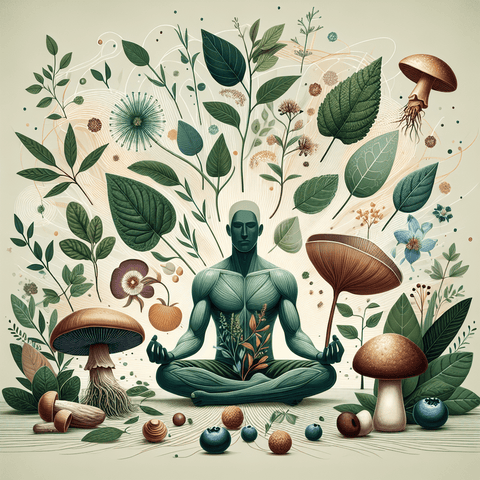
Feeling tired now and then is a near-universal experience, and diet is one of the first places many people look when energy dips. “Plant-based fatigue fighters” is a popular shorthand for plant-based foods, drinks, nutrients and daily habits that are commonly discussed in connection with tiredness and energy. This page offers a broad overview of the topic: what the term means, which plant-based foods and nutrients come up most often, how drinks and hydration fit into the conversation, and which general considerations help you interpret this information sensibly.
This tag page works as a starting point for the topic. The sections below map out the main themes, while the individual articles gathered under this tag explore specific foods, nutrients and questions in greater depth. General information is never a substitute for personalized advice, and persistent tiredness is always worth discussing with a qualified professional.
What Do We Mean by Plant-Based Fatigue Fighters?
The term does not describe an official food category. Instead, it captures a cluster of plant-derived foods, beverages and eating patterns that researchers, journalists and wellness writers frequently mention when the subject of tiredness comes up. Typical examples include legumes, whole grains, leafy greens, nuts, seeds and fruit, as well as drinks such as green tea and fruit-and-vegetable smoothies.
It helps to keep one distinction in mind: fatigue has many possible influences. Sleep quality, stress, workload, physical activity, hydration and underlying health questions all play a role, and diet is only one piece of that puzzle. Foods described as fatigue fighters are usually highlighted because they contribute useful nutrients — not because eating them guarantees a particular result. That distinction makes it far easier to read headlines about so-called energy-boosting foods with a critical eye.
Understanding Fatigue and Energy: The Bigger Picture
Tiredness is one of the most common complaints in everyday life, which explains why questions about fighting fatigue generate so many articles, searches and product discussions. Busy schedules, irregular sleep and long periods of sitting all shape how energetic people feel, and nutrition is often one of the first levers readers want to understand.
For people following plant-based or largely plant-based diets, the topic carries an extra layer. Some nutrients that play roles in normal energy metabolism — notably vitamin B12 and iron — are found mainly, or in more easily absorbed forms, in animal-derived foods. That is why plant-based eaters often pay particular attention to these nutrients and to the plant sources that provide them, a theme several articles under this tag explore in detail.
Plant-Based Foods Often Mentioned as Fatigue Fighters
Certain plant foods appear again and again in discussions about energy. They are usually featured because they combine complex carbohydrates, plant protein, fiber, vitamins and minerals in accessible, everyday forms. Commonly cited examples include:
- Leafy greens such as spinach and kale, often mentioned for folate, iron and magnesium.
- Legumes such as lentils, chickpeas and beans, valued for plant protein, fiber and iron.
- Whole grains such as oats, quinoa and brown rice, associated with complex carbohydrates and several B vitamins.
- Nuts and seeds such as almonds, pumpkin seeds and walnuts, discussed for magnesium, healthy fats and protein.
- Fruit such as bananas and berries, frequently noted for naturally occurring sugars, vitamins and convenience.
None of these foods works in isolation. Nutrition writers generally present them as parts of a varied, balanced diet rather than as standalone solutions, and that is also the spirit in which the articles under this tag approach them.
Key Nutrients in Plant-Based Diets Linked to Energy
Alongside whole foods, a small group of nutrients dominates conversations about plant-based eating and tiredness. Several of them have recognized roles in normal energy-yielding metabolism, which is reflected in authorized EU nutrition claims and explains why they come up so often in this context.
Iron
Iron contributes to the normal formation of red blood cells and hemoglobin and, under authorized EU nutrition claims, to a reduction of tiredness and fatigue. Plant sources mentioned most often include lentils, chickpeas, tofu, pumpkin seeds and fortified foods. Because the body absorbs plant-based (non-heme) iron somewhat differently from the iron in animal foods, pairing these foods with vitamin C-rich fruit and vegetables is a frequent practical tip. If you would like to browse related products, our mineral supplements guide covering iron, zinc and other minerals brings the relevant options together in one place.
B vitamins
Several B vitamins contribute to normal energy-yielding metabolism, a role recognized in authorized EU nutrition claims. Vitamin B12 receives special attention in plant-based nutrition because it occurs naturally almost exclusively in animal-derived foods; fortified foods and supplements are the sources most often discussed for people who avoid or limit animal products. Our vitamin B supplements collection gives you a clear starting point for comparing the different B vitamins.
Magnesium
Magnesium contributes to normal muscle function and, under authorized EU nutrition claims, to a reduction of tiredness and fatigue. Frequently mentioned plant sources include nuts, seeds, whole grains, legumes and leafy greens. For readers comparing options, our magnesium supplements range gathers products in this category.
Drinks and Hydration in the Fatigue Conversation
Tiredness is commonly associated with insufficient fluid intake, which is why hydration appears in almost every discussion about energy. Water is usually presented as the sensible first choice, simply because it covers fluid needs without added sugar or calories.
Beyond water, several plant-based drinks come up regularly. Green tea and coffee are discussed mainly for their caffeine content, which affects people differently and is generally described as most helpful in moderate amounts. Smoothies made from whole fruit and vegetables combine fluids with fiber and micronutrients, while heavily sweetened energy drinks are rarely recommended as an everyday solution. Importantly, there is no single drink that reliably gets rid of fatigue — steady hydration and balanced choices throughout the day are the advice most often repeated.
Lifestyle Habits That Work Alongside Diet
Food is only part of the energy picture. The habits most often mentioned alongside plant-based eating are simple but consistent:
- Keeping a regular sleep and wake schedule.
- Moving throughout the day, even in short bouts.
- Managing stress with approaches that suit you personally.
- Eating balanced meals at regular intervals instead of relying on long gaps and quick fixes.
These factors interact with diet rather than replacing it, and the articles under this tag return to them from different angles.
General Considerations and Sensible Expectations
A few ground rules help keep expectations realistic. Responses to dietary change vary from person to person, and no food, drink or supplement guarantees more energy. Supplements are generally positioned as a complement to a varied, balanced diet and a healthy lifestyle, not a replacement for either, and product labels and usage instructions are always worth reading carefully.
Equally important: fatigue that is persistent, severe or accompanied by other symptoms deserves professional evaluation, because it can have many different causes. Educational content — including everything on this page — cannot diagnose or treat any condition, and a qualified professional is the right person to turn to for personalized guidance.
Frequently Asked Questions
What plant-based foods are often described as fatigue fighters?
Commonly cited examples include leafy greens such as spinach, legumes such as lentils and chickpeas, whole grains such as oats, nuts and seeds such as almonds and pumpkin seeds, and fruit such as bananas and berries. These foods appear in such lists because they provide nutrients involved in normal energy-yielding metabolism — though individual responses vary and no single food guarantees a noticeable difference.
Which drinks are associated with fighting fatigue?
There is no drink that reliably gets rid of fatigue. Water is the usual first recommendation, because tiredness is commonly linked with insufficient hydration. Green tea and coffee are discussed for their caffeine content, and smoothies made from whole fruit and vegetables are a popular way to combine fluids with nutrients. If tiredness continues despite adequate rest and hydration, it is best raised with a professional.
When should I seek advice about persistent tiredness?
If low energy lasts for several weeks, interferes with daily life or comes with other symptoms, it is worth discussing with a doctor or another qualified professional. Fatigue can have many causes, and self-directed dietary changes are not a substitute for proper assessment.
Exploring the Topic Further
The articles collected under this tag take a closer look at specific foods, nutrients, drinks and habits connected to plant-based eating and energy. Use this page as the map of the topic, then follow the articles that match your questions — and if you would like to browse products while you read, the category pages linked above are a practical place to continue.