Omega-3 de origen vegetal: Fuentes fáciles y sostenibles para potenciar tu salud


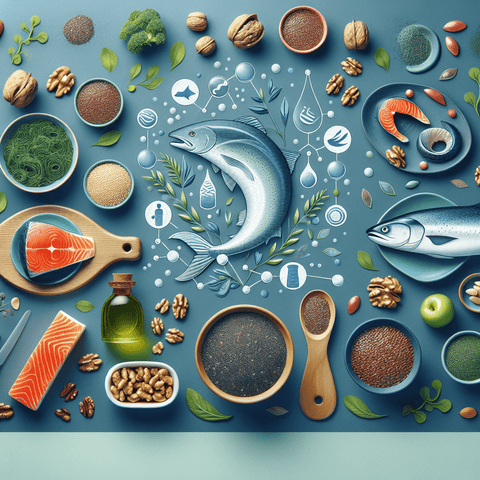
Descubre fuentes fáciles y sostenibles de omega-3 de origen vegetal con consejos prácticos, recetas sencillas y las mejores opciones como linaza, chía y algas. Esta página se centra en el omega-3 de origen vegetal, destacando formas accesibles de incorporar estos ingredientes en comidas diarias. Encontrarás ideas para productos básicos en la despensa, adiciones rápidas y opciones versátiles que se adaptan a diferentes gustos y estilos de cocina. El enfoque permanece en el uso práctico y las opciones accesibles para un estilo de vida basado en plantas. El omega-3 de origen vegetal proviene de varias fuentes. La linaza y las semillas de chía son conocidas por su contenido de ALA, mientras que las algas proporcionan formas de DHA y EPA. Las opciones varían en sabor, textura y en cómo se integran en las recetas, por lo que mezclar diferentes fuentes puede mantener los menús interesantes y variados. Consejos para incorporar omega-3 de origen vegetal incluyen moler la linaza justo antes de usarla para obtener mejor textura, remojar las semillas de chía para crear geles, y almacenar las semillas en un lugar fresco y oscuro. Usa harina de linaza en productos horneados o batidos, espolvorea chía sobre yogur o cereal, y considera usar aceite o suplementos a base de algas para diversificar las opciones. Comienza con pequeñas cantidades y ajusta gradualmente según tus preferencias de sabor y textura. Recetas sencillas para probar incluyen un pudding de chía con leche vegetal y toppings, una mezcla de galletas de linaza horneadas con hierbas, y una vinagreta rápida de aceite de algas para ensaladas. Un batido con espinaca, plátano y una cucharadita de linaza molida también es una opción fácil. Estas ideas muestran la versatilidad de las fuentes de omega-3 de origen vegetal sin requerir ingredientes especializados.


Which omega-3 is better? - Topvitamine
18 de October, 2025
El mejor omega-3 no es necesariamente el más caro ni el de una marca concreta: depende de la cantidad de EPA y DHA, el origen, la formulación, la frescura y tus preferencias dietéticas. Esta guía explica cómo comparar aceite de pescado, aceite de algas y otras opciones, cómo leer la etiqueta y qué precauciones tener con las dosis altas, el embarazo, las enfermedades y los medicamentos.
Which foods are rich in omega 3? - Topvitamine
15 de October, 2025
Los alimentos ricos en omega-3 incluyen pescado azul como salmón, sardinas, caballa y anchoas, además de semillas de lino, chía, nueces y algas. El pescado aporta principalmente EPA y DHA, mientras que los vegetales aportan ALA, cuya conversión es limitada. Esta guía explica cómo incorporarlos, qué papel tienen los huevos y cuándo valorar un suplemento de aceite de pescado o de algas.

Plant-based omega-3 is a topic that covers more than just a single food or supplement. It includes a family of fatty acids, several different plant sources, and a range of ways to include them in a modern diet. This guide provides a high-level overview of the subject, helping you understand the main concepts, sources, and practical considerations.

Understanding Plant-Based Omega-3

Omega-3 fatty acids are a family of polyunsaturated fats that are part of the normal human diet. The three main types are ALA, DHA, and EPA. The crucial difference from a dietary perspective is the source. While DHA and EPA are commonly associated with marine sources like fish, they originate from algae. ALA is predominantly found in plant seeds and oils.

Plant-based omega-3s are therefore those derived from botanical sources. This includes seeds like flax, chia, and hemp, as well as oils from these seeds. A significant development is the availability of algae-based oils, which can provide a direct source of DHA and EPA without marine ingredients, fitting comfortably within a plant-based lifestyle.

Understanding these basic distinctions is the first step in navigating the many options available and choosing the approach that best fits your dietary needs and preferences.

Key Plant-Based Sources of Omega-3

There are several primary plant sources for omega-3, each with its own nutritional profile and culinary characteristics.

The most common sources are seeds, which are known for their ALA content:

  • Flaxseeds and flaxseed oil: These are one of the richest plant sources of ALA. Flaxseeds can be ground for better nutrient absorption and used in baking or smoothies.
  • Chia seeds: Also a great source of ALA, chia seeds have the unique ability to form a gel when soaked, making them useful for puddings and as a textural addition to various recipes.
  • Hemp seeds: These provide a smaller amount of ALA but also contain other beneficial nutrients, making them a simple add-in for salads or oatmeal.

Beyond seeds, the most direct plant-based source of DHA and EPA is microalgae. Algae oil supplements and culinary oils are increasingly common, offering a way to get these specific forms without fish or krill.

If you are considering a supplement, exploring a dedicated selection of DHA and EPA supplements can help you understand the options available, including those derived from algae.

How to Add Plant-Based Omega-3 to Your Diet

Incorporating these sources is generally straightforward, as they are versatile ingredients. Here are some practical tips for everyday use.

Simple Ways to Use Seeds

Seeds are the most accessible starting point. To get the most from flaxseeds, grinding them just before use is often recommended, as this makes the nutrients more accessible. You can add ground flax to smoothies, oatmeal, or use it as an egg substitute in baking.

Chia seeds, when soaked in liquid, create a gel-like texture. This property is perfect for making puddings or for adding thickness and body to sauces and jams. Sprinkling chia or hemp seeds over yogurt, cereal, or salads is another effortless way to boost your intake.

Cooking with Oils

Flaxseed and algae oils are options to consider when thinking about adding plant-based omega-3 through cooking. A quick algae-oil vinaigrette for salads is a simple example. Over time, you can start with small quantities to find what works best for your taste and texture preferences.

Storing these oils correctly is important. Keeping them in a cool, dark place helps preserve their quality over time, much like other delicate oils.

Recipe Ideas to Get Started

Starting with simple recipes can help you get comfortable with these ingredients. Some easy ideas include a chia pudding made with plant-based milk, a batch of flaxseed crackers baked with herbs, or a smoothie that combines spinach, banana, and a teaspoon of ground flax. These ideas demonstrate the flexibility of plant-based omega-3 sources without requiring specialized equipment or hard-to-find items.

General Considerations for Supplements

For some, getting omega-3 from food alone might be challenging, as ALA conversion to DHA and EPA in the body is not always efficient. This is why algae-based supplements are popular; they provide pre-formed DHA and EPA.

As with any supplement, it is important to approach them as a complement to a balanced diet, not a replacement for it. There is no one-size-fits-all approach, and individual needs can vary. If you are considering a supplement, it is a good practice to review the product information carefully and consider seeking guidance from a qualified healthcare professional.

For a broader look at nutritional supplements, you can explore the Topvitamine natural supplements collection

Exploring the Topic Further

This guide covers the foundational information about plant-based omega-3. There are many more specific aspects to explore, from the differences between ALA, DHA, and EPA, to the best ways to pair these foods with other nutrients.

Deep dives into specific questions, such as the taste profile of algae oil, comparison between different seed types, or advanced culinary techniques, are best addressed in dedicated resources that can provide the necessary focused attention. In the meantime, the key takeaway is that plant-based omega-3s are a diverse and accessible topic, and starting with the basics is the best way to move forward.