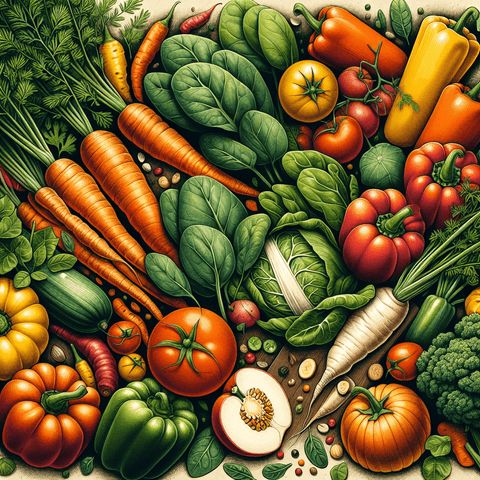
This guide provides a broad overview of plant-based vitamin A sources. Here, you will learn what these sources are, how they differ from animal-based vitamin A, why they matter for health, and how to include them in your diet. We will also cover the main types of plant sources, practical considerations for nutrient absorption, and related topics to help you build a balanced plant-forward approach.
Understanding Provitamin A Carotenoids
Plant-based vitamin A sources do not contain preformed vitamin A (retinol) found in animal products. Instead, they provide provitamin A carotenoids. These are naturally occurring pigments synthesized by plants. The main provitamin A carotenoids include beta-carotene, alpha-carotene, and beta-cryptoxanthin. Once consumed, the body converts these compounds into retinol, the active form of vitamin A, with beta-carotene being the most efficient precursor.
Carotenoids are fat-soluble, meaning they require dietary fat for optimal absorption. Cooking, chopping, or pureeing carotenoid-rich vegetables can also enhance their bioavailability by breaking down plant cell walls. These practical factors explain why food preparation methods matter when building a diet around plant-based vitamin A sources.
Key Categories of Plant-Based Sources
Plant-based vitamin A sources can be grouped into a few broad categories, each offering different textures, flavors, and culinary uses. The following list highlights the most common food groups rich in carotenoids.
- Orange and yellow vegetables: carrots, sweet potatoes, pumpkin, butternut squash, and yellow peppers.
- Leafy green vegetables: spinach, kale, Swiss chard, and collard greens, which contain carotenoids masked by chlorophyll.
- Fruits: Mango, cantaloupe, apricots, papaya, and peaches.
- Herbs and spices: paprika, cayenne pepper, and dried parsley, which can contribute concentrated amounts of carotenoids.
This variety allows for flexibility in meal planning, whether you follow a fully vegan diet or simply wish to incorporate more plant-derived nutrients into your meals. For a broader look at essential nutrients, you might also explore our vitamin A sources and safety information.
Vitamin A Benefits and Recommended Intake
Vitamin A is a fat-soluble vitamin that helps maintain normal vision, support the immune system, and keep the skin healthy. In the context of vision, the retina relies on a form of vitamin A to produce pigments essential for night vision. Plant-based provitamin A contributes to this process, provided the body's conversion mechanisms are functioning normally.
For most adults, general nutrition guidance suggests consuming a diet rich in a variety of fruits and vegetables. While specific daily requirements vary by age, gender, life stage, and individual health status, focusing on colorful produce is a useful starting point. It is generally considered safe to obtain vitamin A from plant-based sources since the body tightly regulates the conversion of beta-carotene to retinol, reducing the risk of excess accumulation unlike preformed vitamin A.
Practical Considerations for a Balanced Diet
Building meals around plant-based vitamin A sources requires attention to three factors: variety, preparation, and fat intake. Eating a broad range of colorful produce ensures a mix of different carotenoids, while simple cooking methods like roasting or steaming can make these nutrients more accessible. Including a source of healthy fat, such as olive oil, nuts, or seeds, in the same meal supports absorption because carotenoids are fat-soluble.
- Pair carrot sticks with a hummus dip made with tahini for a snack that combines fiber, fat, and carotenoids.
- Add spinach or kale to a stir-fry with a small amount of cooking oil to release more nutrients.
- Blend mango or cantaloupe into a smoothie with yogurt or a fortified plant-based milk alternative.
- Roast sweet potatoes or pumpkin with a drizzle of olive oil and your choice of herbs.
For those interested in supplementing their diet beyond food sources, it may be helpful to explore our range of vitamin A-related products and information.
Factors That May Affect Vitamin A Status
While consuming plant-based vitamin A sources is generally straightforward, certain lifestyle and physiological factors can influence how effectively the body utilizes nutrients.
- Digestive health conditions that affect fat absorption may impact carotenoid uptake.
- Alcohol consumption can interfere with the conversion of beta-carotene into active retinol.
- Certain medications may affect fat-soluble vitamin metabolism.
- Thyroid function both influences the regulation, transport, and metabolism of carotenoids.
These points are general considerations and not an exhaustive list. Anyone concerned about their vitamin A levels or nutrient absorption should consult a qualified healthcare professional for personalized advice.
Comparing Provitamin A and Preformed Vitamin A
Understanding the difference between provitamin A carotenoids and preformed vitamin A (retinol) is essential for making informed dietary choices. Preformed vitamin A is found in animal products like liver, fish, and dairy, and can be directly used by the body. In contrast, plant-based sources provide provitamin A, which requires conversion. The body regulates this conversion, which reduces the risk of vitamin A toxicity from food sources, but also means that the amount of active vitamin A we get from plants can be less predictable and influenced by individual factors.
Plant-Based Vitamin A and Overall Nutrition
Foods rich in carotenoids typically provide more than just vitamin A precursors. They are often excellent sources of dietary fiber, vitamin C, potassium, and a range of antioxidant compounds. Choosing these foods as part of a balanced diet supports broader nutritional goals, not just a single nutrient target.
A diet centred on plant-based vitamin A sources naturally encourages the consumption of whole, and minimally processed foods. This pattern aligns with general dietary guidance that emphasizes fruit and vegetable intake as part of a healthy lifestyle. Those interested in how individual nutrients fit into a complete dietary picture might also explore multivitamin guides and ingredients information.
Supplements and Plant-Based Nutrition
For some individuals, meeting vitamin A needs through food alone may be challenging due to dietary restrictions, personal preferences, or limited access to fresh produce. In such cases, supplements can serve as a practical option to support nutrient intake, but they are not a substitute for a varied diet.
Supplementary vitamin A can originate from either retinol (often animal-derived) or beta-carotene (typically plant-derived). Each form has different absorption characteristics and safety profiles. It is important to evaluate ingredients, dosage, and individual dietary needs when considering any supplement. Certain supplements, such as beta-carotene, can be sourced from natural origins. For readers exploring natural supplement options, it 's important to review ingredient sources and discuss individual compatibility with a healthcare provider to determine whether supplementation is necessary and what form is most appropriate.
Exploring the Topic Further
The details of plant-based vitamin A sources are broad, and many more specific questions exist beyond the scope of this overview. Topics such as conversion efficiency in different populations, the impact of cooking methods on nutrient retention, and detailed comparisons between different food sources are all areas that deserve focused attention. Those wanting deeper insights into these subtopics will find them addressed in dedicated blog articles.
For readers interested in optimizing their general nutrient intake, exploring antioxidant information may offer useful context, since carotenoids act as antioxidants in the body. This additional layer of understanding connects the subject of plant-based vitamin A to broader nutritional science.
Frequently Asked Questions
This section addresses some common questions related to vitamin A.
What is the best natural vitamin A?
The 'best' natural vitamin A depends on the source. For plant-based nutrition, foods rich in beta-carotene, such as carrots, sweet potatoes, sourdough and leafy greens, are excellent and safe choices. Animal-derived sources provide preformed vitamin A (retinol), but for those following a plant-based diet, beta-carotene-rich foods are the primary natural source.
What depletes vitamin A?
Several factors can affect vitamin A status. For plant betacarotene sources, conversion can be less efficient if you have digestive conditions affecting fat absorption, a low thyroid function, or if you consume excessive alcohol, which can interfere with the conversion of beta-carotene to vitamin A. Preformed vitamin A naturally from sources like fish can be depleted by some medications for managing high cholesterol, which may reduce fat absorption.
Is 2 eggs a day enough vitamin A?
Eggs are not a plant-based source of vitamin A. They are an animal-based source and contain preformed vitamin A, with the amount varying * based on the hen's diet. While this question concerns animal-based sources, it’s important to remember that plant-based sources like carrots and leafy greens can also contribute significantly to vitamin A intake. Each food’ s contribution must be considered within the whole daily intake to cover for the requirement. A diet with a variety of animal and provitamin A sources can help reach a healthy vitamin A status. For plant-based, focus on beta-carotene sources.
What is the best form of vitamin A for eyes?
Vitamin A is essential for maintaining the health of the retina. The body converts both preformed vitamin A and provitamin A carotenoids into retinaldehyde to support vision. A source, including preformed retinol, is already active and can be used directly to produce the pigments for vision. Beta-carotene from plant sources must be converted into retinaldehyde in the body. The active form used by the eyes is retinoid, which is the body's active form.