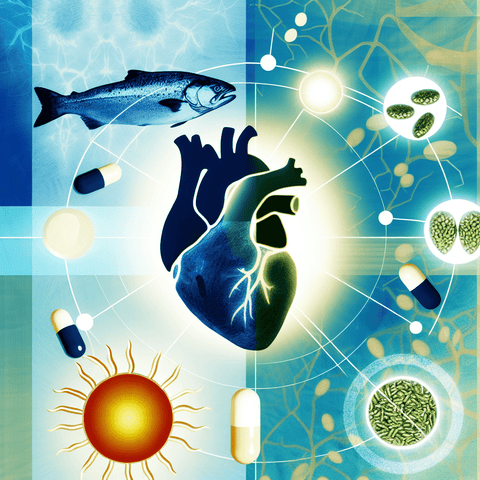
Esteroles vegetales: la forma natural de reducir el colesterol — beneficios y fuentes alimenticias


Las esteroles vegetales son una familia de compuestos naturales que se encuentran en una amplia variedad de alimentos de origen vegetal. Están relacionados estructuralmente con el colesterol y se presentan en varias formas, comúnmente denominadas fitoesteroles. Esta página destaca qué son los esteroles vegetales, de dónde provienen y formas prácticas de incorporarlos en una rutina diaria. Las principales fuentes alimenticias de esteroles vegetales incluyen ciertos aceites vegetales como el de canola, maíz, oliva y girasol; una variedad de frutos secos y semillas como almendras, pistachos y semillas de sésamo; así como cereales integrales y legumbres. Algunas frutas y verduras contienen cantidades menores, y existen productos enriquecidos —como untables y bebidas— que pueden ofrecer esteroles vegetales adicionales cuando están disponibles. Consejos sencillos para añadir esteroles vegetales a tu dieta diaria incluyen usar aceites ricos en esteroles para cocinar y aderezar, espolvorear semillas en cereales, yogur o ensaladas, y disfrutar de un puñado de frutos secos como merienda. Incorporar una mezcla de cereales, legumbres y productos enriquecidos puede ayudar a diversificar las fuentes de esteroles vegetales. Siempre revisa las etiquetas de los productos para verificar el contenido de esteroles cuando elijas opciones enriquecidas. Recuerda que los esteroles vegetales son parte de un patrón alimentario más amplio. Aspira a tener variedad y equilibrio en tus comidas y meriendas, y considera hablar con un profesional si tienes necesidades o restricciones dietéticas específicas.


Can Supplements Help with Balancing Cholesterol Levels? An In-Depth Guide - Topvitamine
24 de August, 2025
Los suplementos para el colesterol pueden desempeñar un papel complementario, pero no sustituyen una alimentación cardiosaludable, la actividad física ni el tratamiento indicado. Los omega-3 actúan principalmente sobre los triglicéridos, mientras que los esteroles vegetales pueden ayudar a reducir el LDL. La niacina requiere supervisión médica y la evidencia sobre vitamina D y magnesio es limitada. Esta guía explica opciones, expectativas, seguridad y cuándo consultar.

Plant sterols, also known as phytosterols, are a group of naturally occurring compounds found in the cell membranes of plants. Because their structure is similar to human cholesterol, they are a topic of significant interest in nutritional science. This guide offers a high-level overview of plant sterols, including what they are, how they work, where to find them, and important safety considerations. Whether you are new to the concept or looking for a reliable summary, this page will help you understand the key facts and explore more detailed topics through our related articles.

What Are Plant Sterols?

Plant sterols are a family of natural compounds that are structurally related to cholesterol. They are integral components of plant cell membranes, contributing to their stability and function. While hundreds of different phytosterols exist, the most common ones in the human diet include beta-sitosterol, campesterol, and stigmasterol. These compounds are found in varying amounts across all plant-based foods, making them a standard part of a varied diet.

How Do Plant Sterols Work?

The primary mechanism of action for plant sterols is their ability to compete with cholesterol for absorption in the digestive tract. Because they are structurally similar, plant sterols can block cholesterol from being absorbed into the bloodstream. This leads to a reduction in the amount of cholesterol that enters the body from food and bile, which can help lower overall blood cholesterol levels. It is important to understand that this effect is focused on absorption and does not involve breaking down existing cholesterol.

Plant Sterols and Cholesterol Management

The main reason people seek out plant sterols is for their potential to support healthy cholesterol levels. High cholesterol is a well-known risk factor for heart disease, and managing it is a key component of cardiovascular health. Plant sterols are one of the most extensively studied dietary components for this purpose. They are not a replacement for medication or other lifestyle changes, but they can be a valuable addition to a heart-healthy diet.

It's crucial to frame their role correctly: they are part of a broader strategy that includes a balanced diet, regular physical activity, and, when prescribed, medication. The effectiveness of plant sterols can be influenced by factors such as the total amount consumed and the baseline cholesterol levels of the individual. While many people may benefit, individual results can vary.

Plant Sterols vs. Stanols: What’s the Difference?

You will often hear plant sterols and stanols mentioned together, and they are closely related. Stanols are a specific subgroup of phytosterols, produced by the hydrogenation of sterols. Both have a similar cholesterol-lowering effect and are often found together in fortified foods and supplements. There is no clinically significant difference in their effectiveness for lowering cholesterol, so you can choose either based on availability and personal preference. Both work by reducing cholesterol absorption in the gut.

Top Food Sources of Plant Sterols

Incorporating more plant sterols into your diet begins with knowing which foods are richest in them. Plant sterols are naturally abundant in many plant-based foods, and focusing on these can help increase your intake through diet alone.

Excellent natural sources include:

  • Vegetable oils: Canola, corn, olive, and sunflower oil are among the richest sources.
  • Nuts and seeds: Almonds, pistachios, walnuts, sesame seeds, and sunflower seeds are all good options.
  • Whole grains: Wheat germ, bran, and whole-grain bread and cereals contain meaningful amounts.
  • Legumes: Beans, lentils, and peas are a great source.
  • Fruits and vegetables: While they contain smaller amounts, a varied intake still contributes to overall consumption.
  • Fortified products: Some margarines, yogurts, and juices have plant sterols added, making it easier to reach higher intake levels.

Dosage and Recommended Intake

Research on plant sterols for cholesterol management frequently uses a daily intake of around 2 grams. To put this in perspective, a typical Western diet provides only about 150-400 mg per day, so reaching 2 grams requires a conscious effort. This is usually achieved through a combination of fortified foods and supplements. While the recommended intake is about 2 grams, it is important to remember that more is not necessarily better, and there is little evidence that intake beyond this level provides additional benefits.

When considering a supplement, it's best to follow the dosage indicated on the product label, which is typically designed to deliver a specific amount of plant sterols. Consistency is key; to see any potential benefit, plant sterols need to be consumed regularly as part of your daily routine. Always discuss any new supplement with a healthcare provider to ensure it is appropriate for your individual needs.

Safety, Side Effects, and Interactions

For most healthy adults, plant sterols are considered safe when consumed in recommended amounts. However, as with any dietary component, there are some considerations to keep in mind.

Potential side effects can include digestive issues like nausea, indigestion, or diarrhea, especially at high doses. A more significant concern is that plant sterols can reduce the absorption of fat-soluble vitamins, such as vitamin A, D, E, and K. This is why it is often recommended that individuals taking large amounts of plant sterols monitor their vitamin levels or take a multivitamin.

There are also potential drug interactions. For example, plant sterols may interfere with the absorption of certain cholesterol-lowering medications known as statins. It is also important for specific populations, including pregnant and breastfeeding women, children, and individuals with a rare genetic condition called sitosterolemia, to seek medical advice before using plant sterol supplements. This information is a general overview and not a substitute for professional medical advice.

Quick Answers to Common Questions

What foods have high plant sterols?

The most concentrated sources are vegetable oils (like corn, canola, and sunflower), nuts, seeds, and whole grains. Fortified foods like certain margarines and yogurts are also very high in plant sterols.

Is there a downside to taking plant sterols?

While generally safe, the main downsides include potential digestive discomfort and the reduced absorption of fat-soluble vitamins (A, D, E, and K). It can also interact with some medications, so consultation with a healthcare provider is recommended.

Are plant sterol supplements a good option?

Supplements are a convenient way to reach the recommended 2g daily intake, as achieving this through food alone is challenging. They are a practical option for those who don't consume many fortified foods. For related heart-health and wellness topics, you may find our curated selection of Omega-3 supplements and antioxidant supplements to be a helpful resource for broader cardiovascular support.

What are the best plant sterols for lowering cholesterol?

Both plant sterols and stanols are effective at lowering cholesterol and are considered equally beneficial. The most important factor is consuming them consistently, so the 'best' option is often the one you will use regularly.

What are the six super foods that lower cholesterol?

While there is no strict list of 'six superfoods,' a heart-healthy diet often emphasizes foods like oats, nuts, fatty fish, olive oil, beans, and fruits rich in soluble fiber like apples and citrus. These foods contribute to a cholesterol-lowering eating pattern.

Explore More on Heart Health and Nutrition

Understanding plant sterols is just one piece of the puzzle when it comes to overall wellness. A holistic approach to heart health includes a balanced diet, regular exercise, and managing stress. To help you on your journey, we have a range of resources that explore different aspects of nutrition and supplementation. For a broader view of how different nutrients work together, you might be interested in exploring our Multivitamin guide. This tag page serves as a central hub; be sure to check the related articles below for deeper dives into specific topics like the benefits of specific plant sterol-rich foods or detailed supplement comparisons. If you have specific health concerns, always consult a qualified professional.