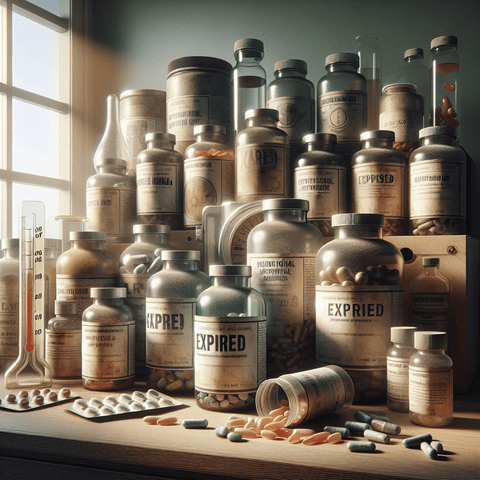
¿Potencia de los suplementos antiguos: ¿siguen siendo efectivos los fórmulas clásicas?


La potencia de los suplementos antiguos es un tema que invita a una discusión cuidadosa y basada en la ciencia. Cuando analizamos fórmulas clásicas, la pregunta central es qué significa “potencia” en este contexto: la concentración de los componentes clave, la estabilidad de esos componentes con el tiempo y qué tan consistentemente se pueden reproducir esas cantidades en diferentes lotes. Al enmarcar la discusión en torno a definiciones analíticas en lugar de efectos percibidos, podemos explorar cómo se formularon los productos tradicionales, cómo influyen las prácticas de almacenamiento y fabricación en su composición y cómo se compara esto con las mezclas modernas. Históricamente, la potencia de los suplementos antiguos variaba ampliamente debido a diferencias en el abastecimiento y procesamiento. Las materias primas variaban por origen, época de cosecha y calidad, mientras que los métodos de extracción y secado eran menos estandarizados. Las condiciones de empaquetado y almacenamiento podían acelerar la degradación o causar cambios en los perfiles de los componentes. Sin una estandarización rigurosa, la variabilidad entre lotes era común, lo que hacía que la potencia medida fuera más una reflexión de la cadena de suministro y manipulación que de una fórmula fija. Esto resalta la importancia de la caracterización analítica al discutir la potencia, ya que los números obtenidos mediante pruebas ayudan a revelar la composición real de un producto más allá de lo que aparece en la etiqueta. Las mezclas modernas se han beneficiado de avances en la ciencia de formulación y control de calidad. La estandarización de extractos, la identificación clara de compuestos marcadores y cadenas de suministro más estrictas permiten que los productos contemporáneos logren una potencia más consistente entre lotes. Técnicas analíticas como la cromatografía líquida de alta resolución, la cromatografía de gases-espectrometría de masas y otros métodos espectroscópicos posibilitan perfiles detallados de los niveles de los componentes y su estabilidad. Además, los avances en el empaquetado, las pruebas de vida útil y los marcos regulatorios apoyan una potencia más predecible con el tiempo. Aunque esto puede hacer que las mezclas modernas sean más reproducibles, el énfasis sigue en mediciones objetivas en lugar de impresiones anecdóticas de efectividad. Al evaluar la potencia de suplementos antiguos versus mezclas modernas, resulta útil acordar métricas como la concentración de compuestos marcadores, la reproducibilidad entre lotes y la estabilidad bajo condiciones de almacenamiento comunes. Las pruebas independientes y las certificaciones de terceros pueden ofrecer transparencia sobre la composición real y la estabilidad de un producto. Al centrarnos en la ciencia de la potencia—cómo se miden, controlan y conservan los componentes—podemos comparar las fórmulas tradicionales con las contemporáneas de manera rigurosa y sin recurrir a afirmaciones no fundamentadas.


Do Expired Supplements Still Work or Are They Harmful? - Topvitamine
30 de August, 2025
Los suplementos caducados no tienen una duración adicional garantizada. Aunque muchas vitaminas y minerales pierden potencia gradualmente, los líquidos, probióticos y aceites pueden deteriorarse con mayor facilidad. En esta guía aprenderás a interpretar la fecha de caducidad, reconocer señales de alteración, decidir cuándo desechar un producto y almacenar correctamente tus suplementos. Si tomas medicación, estás embarazada o tienes una enfermedad, consulta con un profesional sanitario antes de utilizar un producto fuera de fecha.

The topic of supplement potency, particularly when it comes to older products, often raises questions about efficacy, quality, and what we can truly expect from a bottle that has been on the shelf for years. This page serves as a comprehensive guide to understanding the science behind supplement potency, exploring how analytical definitions, historical manufacturing practices, and modern quality control shape the composition of both classic and contemporary formulas.

Rather than relying on anecdotal impressions, we will compare aging staples with modern blends by examining objective metrics like marker compound concentration, batch-to-batch reproducibility, and stability under common storage conditions. This scientific perspective allows for a rigorous evaluation of what potency means and how it is measured, providing a foundation for making informed decisions about any supplement, new or old.

What Does Potency of Old Supplements Really Mean?

At its core, “potency” is an analytical measure, not a subjective feeling. It refers to the specific concentration of key active constituents in a product, the chemical stability of those constituents, and the consistency of that concentration from one batch to another. When we ask if an old supplement is potent, we are really asking about these three measurable factors: What is in the pill? How has that chemical composition changed over time? And does the label accurately reflect what is in the container?

Understanding this definition is the first step in evaluating any supplement, regardless of its age. It shifts the focus from vague claims of “effectiveness” to concrete, testable properties that form the foundation of quality and reliability.

Key Scientific Concepts in Assessing Potency

To properly evaluate the potency of any supplement, especially an older one, it helps to be familiar with a few core concepts that scientists and manufacturers use to ensure quality. These principles provide a common language for discussing the subject with precision.

  • Marker Compound Concentration: This is the measured level of a specific, known chemical in the product that serves as an indicator of its quality or activity. It is a tangible, quantifiable metric.
  • Batch-to-Batch Reproducibility: This refers to the ability of a manufacturer to produce consistent products, so that every bottle from every production run contains the same concentration of active ingredients as the last.
  • Stability Over Time: This is a measure of how well a product’s chemical composition holds up under various environmental conditions like temperature, humidity, and light exposure, and over a given shelf life.

Historical Challenges Affecting Classic Formulas

The potency of older supplements was not always a given, primarily due to the manufacturing and sourcing environment of the time. A classic formula’s composition was often a reflection of variables that had little to do with the intended recipe, making batch-to-batch variability a common issue.

  • Sourcing and Raw Materials: The origin of the raw materials, the time of harvest, and the overall quality could vary greatly, leading to products that differed in their natural constituent profile.
  • Processing Methods: Extraction and drying techniques were often less standardized, which could affect the final concentration and stability of the ingredients.
  • Packaging and Storage: Less advanced packaging materials and a lack of controlled storage conditions could accelerate the degradation of sensitive constituents, altering the final product that reached the consumer.

Because of these factors, the critical takeaway is that the potency of an old supplement is more a historical record of its supply chain and handling than a fixed attribute of the formula itself. This is why analytical testing is so crucial in understanding what a product truly contains.

How Modern Advances Improve Potency and Consistency

Modern supplements have a distinct advantage over their historical counterparts, thanks to significant progress in formulation science and quality control. These developments allow contemporary products to achieve a level of consistency and predictability that was difficult to attain previously.

  • Standardized Extracts: By using extracts standardized to contain a specific level of a marker compound, manufacturers can ensure that the active ingredients are present in the intended amount.
  • Advanced Analytical Testing: Techniques like high-performance liquid chromatography (HPLC) and gas chromatography-mass spectrometry (GC-MS) allow for detailed, precise profiling of a product's constituents and their stability over time.
  • Improved Packaging and Quality Control: Better packaging materials, more rigorous shelf-life testing, and tighter regulatory frameworks all contribute to a more predictable potency over the product's lifecycle.

While these advances make modern blends more reproducible and reliable, the focus remains on objective measurements, not subjective impressions of effectiveness. The value of any supplement, modern or classic, is determined by its verified composition.

The Role of Independent Testing and Certification

When considering any supplement, third-party testing and certifications provide a critical layer of transparency and trust. These independent evaluations can offer objective insights into a product's actual composition and stability, which is particularly useful when assessing the value of an older formula or the claims of a new one.

By focusing on the science of potency—how constituents are measured, controlled, and preserved—we can make more informed comparisons among products. This approach is rigorous and helps avoid unsubstantiated claims, whether they are about a “classic” formula or a cutting-edge blend. When exploring supplements, it's beneficial to look for those that provide this level of analysis and quality assurance, such as the range of natural supplements focused on quality.

General Considerations for Supplement Storage and Use

While the science of formulation is key, the way a supplement is stored after it reaches your home also plays a role in maintaining its potency. Proper storage can help slow the natural degradation of ingredients, ensuring that the product you are using is as close to its original composition as possible.

  • Protect from Heat and Light: Store supplements in a cool, dry place away from direct sunlight, as heat and UV rays can break down certain vitamins and other compounds.
  • Avoid Moisture: Keep bottles tightly sealed and avoid storing them in humid environments like bathrooms, as moisture can degrade ingredients and encourage microbial growth.
  • Respect Expiration Dates: While a product might not become dangerous immediately after its expiration date, its potency is no longer guaranteed. For best value, it is wise to adhere to the manufacturer's advised dates.

Understanding these factors can help you get the most from your supplements. If you are exploring specific nutrients or blends, you might find related resources on multivitamin ingredients and usage or other herbal supplement guides to be helpful.

Exploring the Topic Further

This guide has provided a high-level overview of the key scientific concepts behind supplement potency. To delve deeper into specific questions, such as the effectiveness of a product past its expiration date or the stability of particular nutrients, the blog articles linked on this page will offer more detailed analysis. These resources can provide insights into the nuances of how different factors affect the composition and quality of supplements.

Ultimately, becoming a more informed consumer involves understanding the science that lies behind the label. By asking the right questions about measurement, standardization, and testing, you can evaluate any supplement with greater confidence and make choices that align with your health and wellness goals.