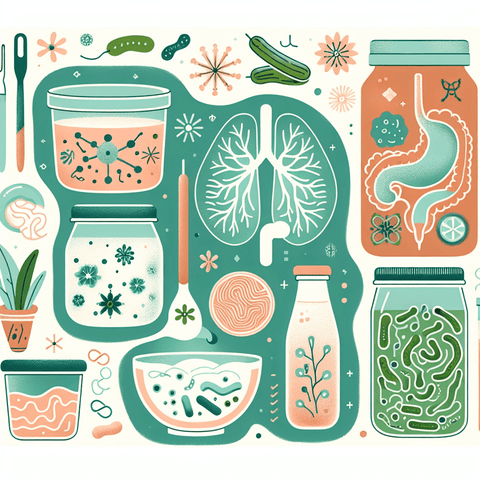
Probiotic foods are foods that contain live microorganisms, usually introduced through fermentation. They appear in everyday diets around the world, from yogurt at breakfast to fermented vegetables alongside dinner, and they are frequently discussed in relation to gut health, everyday cooking and traditional cuisines. This tag page brings together the broad topic of probiotic foods: what they are, which categories they fall into, how labels are worded and how they can fit into ordinary meals.
Because this tag collects a range of related articles, the page works as a starting point. Below you will find a structured overview of the main concepts, followed by concise answers to common questions. For detailed topics — such as individual foods, specific preparation methods or direct comparisons — the associated articles on this tag go into greater depth.
What Are Probiotic Foods?
Probiotic foods are foods that contain living microorganisms — most often bacteria, and sometimes yeasts — that remain in the food at the time it is eaten. In most cases, these microorganisms arrive through fermentation, a process in which bacteria or yeasts convert sugars and other carbohydrates in the food. Fermentation shapes the final product in several ways: it creates the characteristic tangy or sour flavors associated with foods like yogurt, sauerkraut and kombucha, and it can influence texture and how long a food keeps.
The word “probiotic” is worth a brief note. In a strict scientific sense, it is used for specific live microorganisms that have been studied for particular purposes. In everyday language, however, it is commonly applied to any food containing live cultures, especially fermented foods. This page uses the term in that everyday sense, while the more precise scientific meaning is explored in the detailed articles associated with this tag.
Not every fermented food still contains live microorganisms when it reaches the table. Foods that are baked, heated or pasteurized after fermentation no longer carry active cultures, since heat stops the microorganisms. This is one reason why labels and storage matter when a food is chosen specifically for its live cultures.
Main Types of Probiotic Foods
Probiotic foods are not a single product type. They span several food groups and culinary traditions, and each category has its own characteristics. The most common groupings are outlined below.
Dairy-Based Probiotic Foods
Yogurt is the most familiar example, traditionally made by fermenting milk with specific bacterial cultures. Kefir, a cultured milk drink, is another widely known option, and certain cheeses are also made with live cultures. Dairy-based probiotic foods vary considerably in taste, texture and culture content depending on how they are produced, so the label is the most reliable guide to what a specific product contains.
Fermented Vegetables
Sauerkraut and kimchi, both traditionally based on cabbage, are the best-known fermented vegetables, but many other vegetables can be fermented as well, including carrots, beets and cucumbers. Traditional recipes often rely on salt and time rather than added cultures. It is worth noting that shelf-stable, pasteurized versions of these products are widely sold, and heating after fermentation means they generally no longer contain live cultures; refrigerated, raw versions are the ones typically intended to retain them.
Fermented Soy and Plant-Based Foods
Miso, tempeh and natto are traditional fermented soy foods used across East Asian and Indonesian cooking. Plant-based eaters can also find cultured products made from oats, coconut or soy, such as plant-based yogurts with added live cultures. Preparation methods differ between these foods: some, like miso, are often added to hot dishes near the end of cooking, and heat affects live microorganisms.
Probiotic Drinks
A separate category is formed by cultured drinks. Kefir can be made from milk or sugar water, kombucha is a fermented tea, and drinking yogurts and lassi-style drinks are common in many countries. Some traditional fermented beverages, such as kvass, also exist regionally. Because fermentation, filtration and pasteurization practices vary widely between brands, checking the label for live cultures is the most practical way to compare drinks.
How Fermentation Works at a Glance
Fermentation relies on microorganisms consuming the natural sugars and starches in a food and producing compounds such as acids or gases. These compounds give fermented foods their distinctive sour notes and can help preserve the food. The exact outcome depends on the starting ingredients, the microorganisms involved, temperature, salt concentration and how long the food is left to ferment. This is why the same starting ingredient — cabbage, for example — can taste quite different depending on whether it becomes sauerkraut or kimchi.
The conditions also determine whether live cultures survive to the point of eating. A sourdough loaf, for instance, begins with a fermented starter, but the baking process removes the live microorganisms, so bread is not considered a source of live cultures even though fermentation starts it. Similar reasoning applies to pasteurized sauerkraut or miso soup that is served piping hot.
Reading Labels and Choosing Probiotic Foods
Product labels are the main source of information when shopping for probiotic foods. Wording and regulations differ between countries and brands, so it can help to know which terms to look for and which details to compare.
- Live and active cultures — a phrase commonly used on yogurt and other cultured products to indicate that live microorganisms are present.
- Raw or unpasteurized — signals that the product has not been heat-treated, which is relevant for fermented vegetables and drinks.
- Refrigerated placement — many live-culture products are sold chilled, and most are intended to stay refrigerated at home.
- Storage instructions — labels usually state whether a product should be kept cold and how long it keeps once opened.
- Ingredient list — shows whether cultures are listed and what the food actually contains beyond the base ingredient.
Because labeling terms are not always standardized, the most reliable approach is to read the full label rather than relying on product names or front-of-pack wording alone.
Simple Ways to Add Probiotic Foods to Your Meals
Incorporating probiotic foods into everyday eating does not require special recipes. Most of these foods work as small additions to meals you already prepare, and many people find that a simple routine — for example, one fermented food at a particular meal each day — is the easiest way to keep variety in the diet.
- Stir yogurt or kefir into breakfast bowls, smoothies or overnight oats.
- Add sauerkraut or kimchi to sandwiches, wraps, rice dishes and salads.
- Use miso in dressings, marinades and soups, adding it towards the end of heating.
- Serve fermented drinks such as kefir or kombucha chilled as an alternative to soft drinks.
- Experiment with small portions first, since tangy flavors can take some getting used to.
Texture and flavor preferences vary, and so do individual responses to new foods. Introducing probiotic foods gradually and adjusting quantities to personal taste keeps the experience pleasant. Products with live cultures generally need proper storage, so checking the temperature guidance on the packaging is a practical final step.
Probiotic Foods and Probiotic Supplements
Fermented foods and probiotic supplements approach the same idea from different directions. Foods combine live cultures with everything else a food offers — nutrients, texture and flavor — and fit naturally into meals. Supplements, by contrast, are formulated to deliver specific microbial strains in defined amounts, and products differ in the strains they contain, the quantities listed and their intended use.
The two are not mutually exclusive, and many people combine both approaches depending on their preferences and routine. If you want to compare food-based options with formulated products, our probiotic and prebiotic supplements collection gives an overview of the supplement side of this topic. Anyone considering supplements alongside medication or with a specific health condition may find it helpful to discuss this with a qualified professional first.
Frequently Asked Questions About Probiotic Foods
What food is highest in probiotics?
There is no single standard answer, because culture content varies with the recipe, the producer and how a food was handled after fermentation. The foods most often mentioned for their live cultures include yogurt with live and active cultures, kefir, raw sauerkraut and kimchi, miso and kombucha. Comparing labels is more informative than comparing food names, since two versions of the same food can differ substantially.
What drink is high in probiotics?
Kefir, kombucha and drinking yogurts are the drinks most commonly associated with live cultures. Not every bottle of a fermented drink still contains active microorganisms — some are filtered or pasteurized for shelf stability — so the label remains the best guide when choosing between brands.
Which vegetable is probiotic?
No vegetable is naturally probiotic on its own; vegetables become sources of live cultures through fermentation. Cabbage-based foods such as sauerkraut and kimchi are the classic examples, and other vegetables like carrots, beets and cucumbers are also commonly fermented both at home and commercially.
Exploring Probiotic Foods Further
This page has outlined the broad map of the topic: what probiotic foods are, the main categories they fall into, how fermentation and labeling shape them and how they fit into daily meals. The articles collected under this tag examine individual foods, preparation methods and related questions in more detail.
If you are broadening your interest in nutrient-dense eating beyond fermented foods, our superfoods guide offers a wider overview of food groups that are often discussed in this context.