
Descubra una lista de verificación práctica para evaluar la calidad de los suplementos: seguridad, potencia y marcas confiables. Tome decisiones informadas y evite productos de baja calidad. En esta página, el enfoque está en la evaluación de la calidad de los suplementos como un proceso disciplinado: utilizando criterios documentados e información verificable en lugar de mensajes de marketing. La evaluación de la calidad de los suplementos comienza con los detalles de etiquetado y fabricación. Verifique que la lista de ingredientes coincida con lo que hay en el producto, y busque divulgaciones claras de alérgenos, cantidades declaradas y advertencias. Tenga en cuenta el nombre del fabricante y la información de contacto, así como el número de lote o de serie, la fecha de caducidad y las recomendaciones de almacenamiento. Confirme que el producto se produzca en una instalación que siga las buenas prácticas de fabricación (GMP) y que la marca proporcione documentación, como un certificado de análisis (COA) de un laboratorio independiente para cada lote. La potencia y la consistencia son fundamentales para una evaluación rigurosa de la calidad de los suplementos. Busque resultados de pruebas de terceros y COAs específicos del lote que confirmen las concentraciones de ingredientes y la precisión en el etiquetado. Busque pruebas en posibles contaminantes, como metales pesados o pesticidas, cuando estén disponibles, y revise cómo se comunican los resultados. Un proceso transparente y bien documentado para obtener, probar y reportar ayuda a garantizar que la información sobre la potencia sea consistente en diferentes lotes. Las marcas confiables demuestran transparencia y responsabilidad. Evalúe el historial de la marca, su historial de retiradas y la transparencia en la cadena de suministro. Prefiera los proveedores que publiquen resultados de pruebas, ofrezcan acceso fácil a los COAs y proporcionen soporte de contacto claro y políticas de devolución. Considere comprar a través de canales oficiales o minoristas confiables que destaquen los controles de calidad. Al seguir estos pasos, puede realizar una evaluación exhaustiva de la calidad de los suplementos y evitar productos de baja calidad.
Cómo Evaluar la Calidad de los Suplementos: Seguro, Potente, Confiable
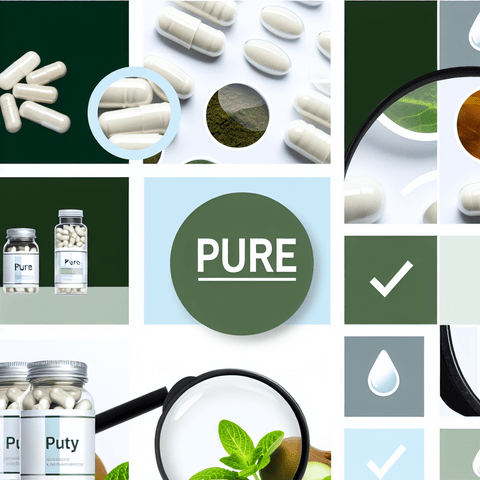
The supplement market is vast, and not all products are created equal. Quality assessment is the process of evaluating supplements using documented, verifiable criteria rather than marketing claims. This page provides a structured overview of the key factors to consider when assessing supplement quality, including safety, potency, and the trustworthiness of brands. It is designed to help you understand the different dimensions of quality and make more informed choices.
Safety: The Foundation of Quality
Safety is the most fundamental aspect of supplement quality. A product should be safe for consumption as labeled. The labeling and manufacturing details provide the first layer of information. Check that the ingredient list matches what's in the product, and look for clear allergen disclosures, declared amounts, and any warnings. Note the manufacturer's name and contact information, as well as the lot or batch number, expiration date, and storage recommendations. Confirm that the product is produced in a facility that follows good manufacturing practices (GMP), which helps ensure consistent quality and reduces the risk of contamination.
Potency: Ensuring Consistency and Accuracy
Potency and consistency are central to a rigorous quality assessment. Seek third-party testing results and batch-specific certificates of analysis (COAs) that confirm ingredient concentrations and labeling accuracy. Look for testing on potential contaminants, such as heavy metals or pesticides, where available, and review how the results are communicated. A transparent, well-documented process for sourcing, testing, and reporting helps ensure that potency information stays consistent across lots.
Trust: The Role of Brand Transparency
Trusted brands demonstrate transparency and accountability. Evaluate a brand's track record, including its recall history and supply-chain transparency. Prefer suppliers that publish their testing results, offer easy access to COAs, and provide clear contact support and return policies. Consider purchasing through official channels or reputable retailers that emphasize quality controls. A reputable brand is more likely to prioritize quality and provide the documentation you need to make an informed decision.
Key Considerations in Your Assessment
When assessing any supplement, consider the following factors as part of your overall evaluation:
- Ingredient list: Does it match the product and clearly state amounts?
- Allergen and warning information: Are they clear and complete?
- Manufacturing information: Is the facility GMP-compliant?
- Batch-specific testing: Is a COA available from an independent lab?
- Contaminant testing: Are results for heavy metals or pesticides shared?
- Brand transparency: Does the brand share its sourcing and testing processes?
Understanding Certification and Third-Party Testing
Certifications and third-party testing can provide additional assurance of supplement quality. Certifications from independent organizations can indicate that a product meets certain quality standards. A good certification for supplements often involves rigorous testing and auditing of the manufacturing process. Third-party testing, such as a certificate of analysis, verifies that the product's contents match its label and are free from harmful levels of contaminants. This documentation adds a layer of credibility and transparency to a brand's claims.
Developing a Practical Assessment Checklist
Creating a simple checklist can help you apply the key principles of quality assessment consistently. Here is a practical list of steps to guide your decision-making:
- Start by reviewing the full product label for ingredient list, amounts, and warnings.
- Look up the manufacturer and verify if they follow GMP guidelines.
- Check if the brand provides access to batch-specific certificates of analysis (COAs).
- Look for independent testing results for contaminants like heavy metals or pesticides.
- Assess the brand's reputation, transparency, and customer support.
- Purchase from official channels or reputable retailers that emphasize quality controls.
Finding Trusted Supplements
By applying these steps, you can conduct a thorough quality assessment of supplements and avoid low-quality products. For a range of products that meet rigorous quality standards, you can explore our selection of natural supplements. Many brands also provide detailed information about their sourcing, testing, and certifications, making it easier to evaluate their quality.
For specific supplement categories, you may also find it helpful to review our guides on vitamin D, omega-3 fatty acids, and other essential nutrients, which often include important considerations for quality and purity.