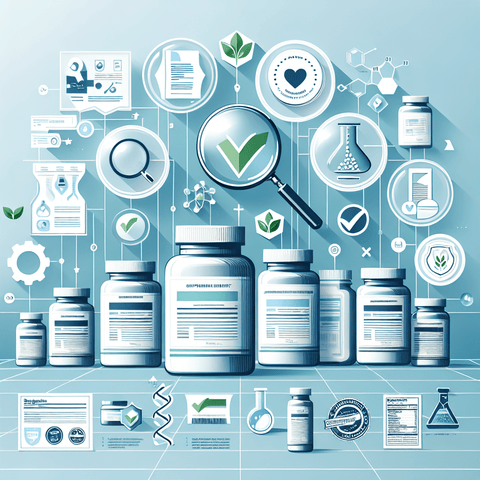
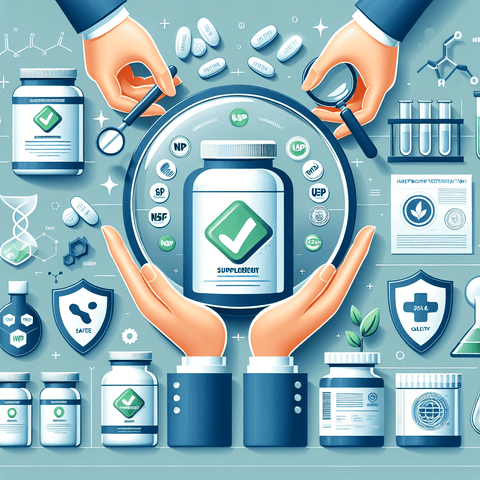
Quality assurance (QA) in the dietary supplement industry refers to the comprehensive system of planned and systematic activities designed to ensure that products consistently meet established standards for identity, purity, strength, and composition. It is a proactive, prevention-focused discipline that begins long before a product is manufactured. By understanding the core principles of QA, consumers gain a valuable framework for evaluating the reliability and safety of vitamins, minerals, and herbal supplements.
This guide explains the main components of supplement quality assurance, why it matters, and how you can use it to make more confident purchasing decisions. It also clarifies the difference between QA and quality control, and outlines the key indicators of a brand committed to producing reliable products.
What Is Quality Assurance in Dietary Supplements?
Quality assurance is the overarching system that governs how a supplement company ensures the quality and consistency of its products. Unlike quality control, which focuses on inspecting the final output, quality assurance is process-oriented. It involves establishing protocols, setting standards, and documenting procedures across every stage of production.
The primary objective of QA is to prevent defects from occurring in the first place. This includes sourcing well-documented ingredients, maintaining clean and controlled manufacturing environments, and training personnel to follow standardized procedures. By managing these processes carefully, manufacturers can deliver supplements that reliably match their labels.
Quality Assurance vs. Quality Control: What's the Difference?
The terms quality assurance (QA) and quality control (QC) are often used interchangeably, but they represent different concepts within the broader quality management framework.
Quality assurance is process-oriented. It aims to build quality into the entire production chain, from ingredient sourcing to final packaging. It focuses on preventing issues before they happen by establishing standards and procedures. On the other hand, quality control is product-oriented. It involves inspecting and testing the final output to verify that it meets specifications. In simple terms, QA is about managing the process to ensure the output is correct, while QC is about checking the output itself.
The Core Pillars of Supplement Quality Assurance
A robust quality assurance program rests on several key components. Understanding these pillars can help you assess a brand's commitment to producing reliable supplements.
Transparent Ingredient Sourcing
The quality of a supplement is largely determined by the quality of its raw materials. A reliable brand starts with carefully selected ingredients sourced from suppliers who demonstrate integrity and provide proper documentation. Transparent sourcing means that a brand knows where its ingredients come from and can verify their identity and purity before they enter the production process.
Potency and Purity Testing
Rigorous testing is essential to confirm that a supplement contains the amount and type of active ingredients stated on the label. Potency testing verifies that the concentration of each ingredient matches the claimed amount. Purity testing ensures that the product is free from harmful contaminants such as heavy metals, pesticides, and microbial organisms. This type of testing is particularly important for herbal supplements, where the natural variability of plant materials can affect the final product.
Adherence to Good Manufacturing Practices (GMP)
Good Manufacturing Practices (GMP) are standards enforced by regulatory bodies to ensure that products are consistently produced and controlled according to quality standards. GMP regulations cover all aspects of production, including facility hygiene, equipment maintenance, personnel training, and record-keeping. A brand that adheres to GMP demonstrates that it has a robust system for controlling quality throughout the entire manufacturing process. This is a minimum expectation for any serious supplement company.
How to Spot a Quality-Assured Supplement
When evaluating a supplement, knowledge is your best tool. By knowing what to look for, you can make safer and more informed purchasing decisions. Consider the following factors when reviewing a potential product.
Clear and Transparent Labels
The label is your first point of contact with a product. Look for a Supplement Facts panel that clearly lists the amount of each active ingredient. A quality brand will not hide behind a vague proprietary blend; it will be transparent about the contents of each serving. Labels should also include allergen information, usage guidelines, and storage instructions. A detailed label is a simple but critical component of quality assurance.
Look for Verifiable Third-Party Testing
Many responsible brands take quality assurance a step further by sending their products to independent laboratories for analysis. These labs test for potency, purity, and contaminants to ensure that the product meets its specifications. Because these companies are external, their verification adds an independent layer of confidence. Some brands provide access to Certificates of Analysis (COAs) from their batch reviews. These reports are a testament to their commitment to transparent quality practices.
Clear Information About the Manufacturer
A trustworthy brand will be open about who they are and how to reach them. This includes providing clear contact information and a willingness to answer questions about their manufacturing practices. Be cautious of products that are vague about where and how they are made. Openness is a hallmark of a serious company that embraces its own quality assurance practices.
Applications of Supplement Quality Assurance
Quality assurance is not a one-size-fits-all concept. Its implementation varies depending on the type of product. The principles of purity and potency testing should apply to a simple multivitamin and a complex herbal formula alike, but the specific challenges and considerations may differ.
Scientific Compliance and Safety Information
Regulatory compliance is a key part of quality assurance in the supplement market. This involves adhering to recommended usage guidelines, communicating potential interactions, and providing storage instructions. Expiry dates, for example, are a simple but critical part of the process. They help ensure that active ingredients remain stable and effective. When a manufacturer complies with safety regulations, it is a sign of a degree of care that is at the heart of quality assurance.
Sourcing for Different Nutrient Types
Different nutrients may present different challenges when it comes to quality assurance. For example, some fat-soluble vitamins may require particular care to ensure their stability. Many minerals require careful sourcing to reduce the risk of containing heavy metals. Herbal supplements require careful testing for correct identification and safety. A strong QA system will consider these unique considerations for every category, demonstrating attention to detail in the development of a supplement.
Explore Your Supplement Categories Thoughtfully
A commitment to quality assurance is what distinguishes a reliable brand. When choosing a supplement, look for a product that prioritizes the principles outlined above. For example, if you're looking for a basic vitamin, it pays to explore the best source you can find. Additionally, a company that also offers a wide range of natural supplements suggests a wider selection of products designed to meet various needs. Ultimately, a supplement chosen with a well-informed mind is likely to be one that you can be more confident in, as part of a balanced diet to support optimal health.
To learn more about specific types of supplements and their quality considerations, you can explore our multivitamins guide or our herbal supplements guide for more detailed information on how QA applies to these categories.