
Conocer cómo leer las etiquetas de información de los suplementos es una habilidad práctica para navegar en los estantes llenos de vitaminas y minerales. Al enfocarse en la etiqueta, aprendes a descifrar ingredientes, dosis y valores diarios para comprar de manera más inteligente, mantenerte seguro y comparar marcas con confianza. Esta guía destaca los elementos básicos del panel de información de suplementos y muestra cómo aplicar ese conocimiento en cada compra. El objetivo es que leer las etiquetas de suplementos sea un paso rápido y rutinario—sin necesidad de conjeturas. La mayoría de los paneles de información de suplementos muestran el tamaño de la porción, el número de porciones por envase y la lista de ingredientes con las cantidades por porción. Las cantidades se indican en unidades como mg, mcg o UI, por lo que aprender a traducir estas unidades te ayuda a comparar la potencia entre productos. El % Valor Diario, cuando aparece, indica cuánto de una cantidad de referencia obtendrías por porción en relación con un objetivo diario estándar. Ten en cuenta que algunos nutrientes pueden no tener un %VD listado; en esos casos, aún puedes comparar la cantidad bruta por porción. La sección de ingredientes incluye los ingredientes reales del suplemento más cualquier relleno o agente ligante, y es útil separar los “ingredientes inactivos” de los componentes principales para ver qué más se incluye además del ingrediente activo. Para comparar marcas de manera efectiva, enfócate en el contenido por porción, no solo en el tamaño del envase o el precio. Calcula el costo por porción y compara las cantidades etiquetadas de nutrientes o compuestos clave; presta atención a los productos que superan o no alcanzan a otros. También verifica advertencias sobre alérgenos o posibles sensibilidades en la sección de “otros ingredientes”. Algunas etiquetas pueden incluir certificaciones o sellos de terceros; trata estos como señales opcionales en lugar de garantías y verifica en el sitio del emisor si es necesario. Leer las etiquetas de suplementos de esta manera te ayuda a hacer comparaciones justas entre marcas. Consejos prácticos para aplicar esta habilidad incluyen tener a mano una lista de verificación corta—tamaño de la porción, porciones por envase, cantidades por porción, %VD y todos los ingredientes. Cuando compres en línea, usa la etiqueta del producto o el sitio del fabricante para confirmar los números más recientes, ya que las formulaciones pueden cambiar. Si no estás seguro de cómo interpretar un valor (por ejemplo, cuando un nutriente no tiene un %VD), anota la cantidad real por porción y compárala con otros productos. Practicar estos pasos convertirá la lectura de las etiquetas en una parte rutinaria de la evaluación de productos.
Lectura de Información Nutricional: Cómo Leer las Etiquetas Como un Profesional
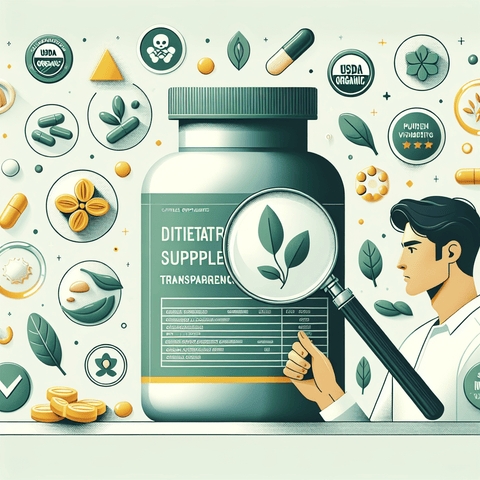
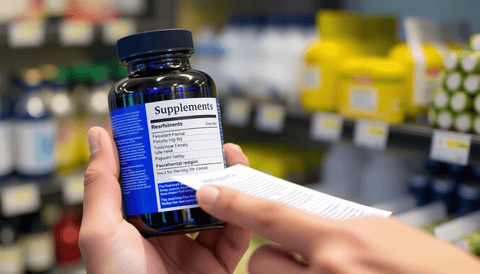
Reading supplement facts labels is a fundamental skill for anyone interested in taking vitamins, minerals, or other dietary supplements. The label contains important details about what a product contains, how much of each ingredient is present, and how those amounts relate to recommended daily intakes. This guide explains the main parts of a Supplement Facts panel and provides practical strategies for comparing products and making confident choices at the store or online.
What Is a Supplement Facts Label?
A Supplement Facts label is a standardized information panel required on most dietary supplement products. It is designed to give consumers consistent, reliable information about the contents of a supplement. The label mirrors many elements of a Nutrition Facts label found on food products but is tailored to the format and ingredients typically found in supplements.
Understanding the layout of this panel helps you quickly identify the information you need. Whether you are investigating a multivitamin or a single-ingredient product, the same basic structure applies, making it easier to compare different options side by side.
Main Components of a Supplement Facts Panel
Several distinct sections appear on most supplement labels. Familiarising yourself with these components makes the label easier to interpret and allows you to focus on the details that matter most for your needs.
Serving Size and Servings Per Container
The serving size is the recommended amount to take at one time. It may be expressed as a number of capsules, tablets, scoops, drops, or another measurable unit. Alongside this, the servings per container tells you how many servings are in the entire package. This is important for both dosing and for calculating how long a product will last.
Amount Per Serving
This section lists each ingredient and its quantity per serving. Nutrient amounts are typically expressed in grams (g), milligrams (mg), or micrograms (mcg). Some ingredients, such as proprietary blends, may list the total blend weight rather than individual ingredient amounts. Understanding these units helps you compare the potency of different products.
Percent Daily Value (%DV)
The percent daily value indicates how much of a nutrient's recommended daily intake is provided by one serving. A %DV of 20% or more is generally considered a high amount, while 5% or less is considered low. However, not all ingredients have an established daily value, so some substances may not show a %DV on the label.
Ingredient List and Other Ingredients
The ingredient list shows all components of the product. Active ingredients appear near the top, while inactive ingredients such as fillers, binders, and flow agents are listed separately, often under the heading “Other Ingredients.” Reviewing this section helps you identify potential allergens and assess the overall formulation of the supplement.
Why Reading Labels Matters
Reading supplement labels carefully is important for several reasons. It helps you understand what you are actually consuming, compare different products effectively, and avoid ingredients you may wish to limit. It also allows you to verify that a product delivers the nutrients it claims to provide at relevant amounts.
Labels also provide context for how a supplement fits into your overall routine. By checking the %DV, you can see whether a product makes a significant contribution to your daily intake of a particular nutrient or whether it provides only a small amount. This information supports more informed decision-making.
Practical Strategies for Comparing Supplements
When comparing supplements, it is helpful to look beyond the front of the package and examine the Supplement Facts panel closely. The following general considerations can help you evaluate products more systematically.
- Check the serving size first to ensure you are comparing equivalent amounts of each product.
- Look at the amount per serving rather than the total bottle size to understand the potency of each dose.
- Review the %DV to gauge whether a nutrient is present in a significant or minor amount.
- Read the full ingredient list, including the “Other Ingredients” section, to identify any additives or allergens.
Developing a consistent approach to label reading can make supplement shopping more efficient and help you feel more confident about your choices. It also enables you to compare similar products across different brands.
Understanding Ingredient Forms and Amounts
Many nutrients come in multiple forms, and these forms can differ in how they are absorbed or utilised by the body. For example, magnesium may appear as magnesium citrate, magnesium glycinate, or magnesium oxide. The specific form is usually listed in the ingredient section, and this information can be relevant when choosing a product.
Similarly, the amount listed on the label refers to the amount of the nutrient or compound present, not necessarily the weight of the entire molecule. Understanding this distinction helps when interpreting labels for minerals, vitamins, and other active ingredients.
Interpreting Certifications and Third-Party Seals
Some supplement labels display certifications or seals from third-party organisations. These may indicate that a product has been tested for quality, purity, or consistency. While such seals can provide useful information, it is important to understand what they do and do not guarantee. They are not a substitute for reading the ingredient list or checking the relevant amounts yourself.
If a certification is important to you, take the time to learn what it represents. Different programs may have different standards, so familiarising yourself with the meaning behind various seals helps you interpret them accurately.
Common Label Terms and What They Mean
Supplement labels sometimes include additional terms that describe the product or its ingredients. Understanding these terms can help you interpret the information more accurately.
- Proprietary blend: A mixture of ingredients for which the label lists only the total weight, not the amount of each individual component.
- Elemental amount: The amount of a specific mineral element present, as opposed to the total weight of the mineral compound.
- Bioavailable: A term indicating how well a substance may be absorbed and used by the body.
- Expiration date: The date by which the manufacturer recommends using the product for best quality.
If you come across a term that is unfamiliar, researching it can help you understand how it applies to the product you are considering.
Using Labels to Support Your Supplement Routine
Ultimately, reading supplement facts labels is about gaining clarity. It allows you to take a more active role in understanding the products you use and to make choices that feel right for your needs. While labels provide detailed information, they are best interpreted as part of a broader approach to nutrition and health.
If you are exploring different types of supplements, you may find it useful to browse our natural supplement categories to see the range of products available. Understanding labels can also help you compare options across categories like vitamins and minerals.
Remember that the information on a supplement label is meant to inform, not to replace personalised guidance from a healthcare professional. If you have questions about whether a particular supplement is appropriate for you, discussing it with a qualified professional is always a reasonable step.
Continuing Your Learning
This guide covers the fundamentals of reading supplement facts labels. There is more to explore, including specific nutrients, different supplement forms, and how to evaluate products for particular goals. By building on these basics and continuing to read labels with care, you can become more confident in navigating the world of dietary supplements.
For additional context on specific types of supplements, you may wish to explore our multivitamin guide which provides further detail on these popular products.