
Descubra cómo varían las cantidades de EPA y DHA examinando el contenido de omega-3 en los mariscos. Esta página se enfoca en comparar el contenido de omega-3 en diferentes especies de mariscos y explica los tamaños de porción estándar para ayudarle a hacer comparaciones directas. Al analizar EPA y DHA por porción, puede ver cómo se alinean diferentes pescados al comparar sus opciones. Los niveles de EPA y DHA varían según la especie. En muchos conjuntos de datos, pescados grasos como el salmón, las sardinas y la caballa muestran mayores cantidades de EPA y DHA por porción, mientras que especies más magras como el bacalao o la tilapia suelen presentar valores menores. Los métodos de procesamiento y el origen pueden influir en el contenido de omega-3 de los mariscos medido, por lo que los datos pueden variar entre fuentes. El tamaño de la porción es importante para las comparaciones. Una porción de referencia común es aproximadamente 85 gramos (3 onzas) cocidos, mientras que muchos recursos reportan los datos por cada 100 gramos. Para comparar con precisión el contenido de omega-3 en los mariscos, convierta todas las cifras a la misma unidad—ya sea por 100 gramos o por porción—para poder ver las cantidades relativas entre las especies. Notas prácticas para listas de referencia: registre las especies, el tamaño típico de la porción y el contenido de omega-3 en los mariscos. Note si los datos reflejan su forma cruda, cocida o enlatada, y tenga en cuenta las diferencias en redondeo o en etiquetas. Este enfoque le ayuda a organizar la información y a comparar las opciones de manera consistente.
Contenido de Omega-3 en Mariscos: ¿Qué pescado tiene más EPA y DHA?
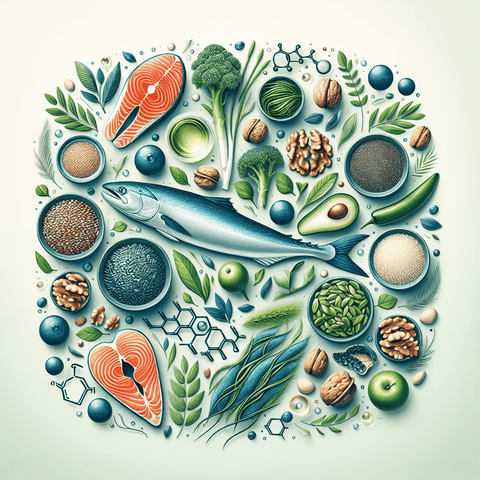
Seafood omega-3 content is a broad topic that covers how much of the long-chain omega-3 fatty acids EPA and DHA are present in different types of fish and shellfish. These two fatty acids are found mainly in marine foods and differ from the shorter-chain omega-3 ALA found in plant sources. Because EPA and DHA amounts vary widely between species, understanding seafood omega-3 content means looking at several factors at once: the species, the serving size, the form of the seafood, and the source of the data.
This page provides a broad overview of the topic. It explains how EPA and DHA are measured, how levels differ across fish and shellfish, how to compare figures consistently, and which considerations matter most when interpreting seafood omega-3 content data.
What Seafood Omega-3 Content Means
Omega-3 fatty acids are a family of polyunsaturated fats. The three most commonly discussed are ALA (alpha-linolenic acid), EPA (eicosapentaenoic acid), and DHA (docosahexaenoic acid). ALA is found mainly in plant foods such as flaxseed, chia, and walnuts, while EPA and DHA are found mainly in seafood. Seafood omega-3 content usually refers specifically to the combined amount of EPA and DHA present in a given species.
Values are typically reported either per 100 grams of seafood or per serving, with a common reference portion being about 3 ounces (85 grams) cooked. Because different databases use different reference bases, the same species can appear to have different omega-3 content depending on how the data are expressed. Recognizing this is an important first step in comparing seafood options.
Why Seafood Omega-3 Content Is Discussed
EPA and DHA are considered important nutrients in the diet. General dietary guidance in many countries encourages regular consumption of fish and shellfish as part of a balanced eating pattern. Because different species provide different amounts of EPA and DHA, comparing seafood omega-3 content can help readers understand how various options align when considered side by side.
This page is intended for general education and does not replace personalized advice from a qualified healthcare professional. Individual nutritional needs vary, and questions about specific dietary requirements are best discussed with a healthcare provider.
How Omega-3 Levels Differ Across Fish and Shellfish
In many published datasets, fatty fish such as salmon, sardines, mackerel, herring, and anchovies tend to show higher amounts of EPA and DHA per serving. Leaner species such as cod, tilapia, and many white fish often display lower values. Shellfish vary considerably: some species, such as oysters and mussels, can contribute meaningful amounts of EPA and DHA, while others contribute less.
Because these patterns are broad, it is helpful to look at several species rather than a single example. The categories below offer a general way to think about the range of seafood omega-3 content, without implying that any one species is always the best choice.
- Fatty fish: often reported with higher EPA and DHA amounts per serving.
- Lean white fish: typically reported with lower EPA and DHA amounts per serving.
- Shellfish: variable, with some species contributing meaningful amounts and others contributing less.
- Canned seafood: values depend on the species, the packing medium, and whether oil or water is used.
Factors That Influence Reported Values
Several factors can affect the measured or reported seafood omega-3 content. These include whether the fish is wild-caught or farmed, the diet of the fish, its overall fat content, the part of the fish being analyzed, and the way it is prepared. Cooking methods such as baking, grilling, or frying can change water and fat content, which in turn affects the amount reported per gram. Canned products may also differ depending on whether the fish is packed in water, oil, or its own juices.
Because of this variation, figures from different sources may not always match exactly. Treating any single number as an approximation rather than a fixed value is a reasonable approach when reviewing seafood omega-3 content data.
Comparing Seafood Omega-3 Data Consistently
To compare seafood omega-3 content accurately, it helps to convert all figures to the same unit and reference basis. A common reference portion is about 3 ounces (85 grams) cooked, while many databases report values per 100 grams. Noting whether data reflect raw, cooked, or canned forms is also important, because cooking and processing can change water and fat content and therefore affect the reported amount per gram.
When reviewing reference lists, tracking the species, the typical serving size, the form of the seafood, and the source of the data allows for more consistent comparison. This approach supports general education about seafood omega-3 content and is not intended as personalized dietary or medical advice.
Practical Considerations When Reviewing Seafood Omega-3 Content
Several practical points can help when reading about seafood omega-3 content. These considerations are general and do not replace individual guidance from a healthcare professional.
- Serving size matters: a value per 100 grams is not the same as a value per 3-ounce (85-gram) serving.
- Form matters: raw, cooked, and canned seafood can have different reported values.
- Source matters: databases and labels may use different analytical methods and rounding conventions.
- Species matters: closely related fish can still differ in their reported omega-3 content.
Seafood Omega-3 Content and Omega-3 Supplements
Some readers explore seafood omega-3 content because they are considering how dietary sources compare with omega-3 supplements. Fish and shellfish provide EPA and DHA as part of a whole-food matrix that also includes protein and other nutrients. Omega-3 supplements typically provide EPA and DHA in a concentrated form, and their labels usually state the amount per capsule or per serving.
For general information on concentrated omega-3 products, you can explore our DHA and EPA omega-3 supplements category. Any decisions about supplements or dietary changes are best discussed with a qualified healthcare professional, especially when medications or health conditions are involved.
Exploring the Topic Further
Seafood omega-3 content is a broad subject with many dimensions, from species-level differences to preparation methods and data interpretation. This page provides an overview of those dimensions rather than an exhaustive analysis of any single question. Articles associated with this topic explore more specific aspects in greater depth.
Readers who want to look more broadly at related nutrients and supplement categories can explore our natural supplements collection for additional context. As with any nutrient topic, individual needs vary, and personalized advice is best obtained from a qualified healthcare professional.