
Nutre tu piel radiante con nutrición para el cuidado de la piel. Esta página te invita a ver la nutrición para el cuidado de la piel como un marco para conectar las comidas, ingredientes y rutinas diarias. Descubrirás cómo los expertos describen la nutrición para el cuidado de la piel y cómo abordar los patrones alimenticios a través de su enfoque—centrándose en conceptos y marcos prácticos en lugar de soluciones rápidas. El objetivo es ofrecer ideas que puedas adaptar a tu vida diaria, manteniéndote fiel a la terminología de la nutrición para el cuidado de la piel. La nutrición para el cuidado de la piel se centra en las relaciones entre lo que comes y cómo planificas tus comidas. Hace hincapié en patrones, equilibrio y variedad, usando conceptos y terminología familiar que puedes incorporar en listas de compras y rutinas en la cocina. En esta sección encontrarás explicaciones de ideas clave dentro de la nutrición para el cuidado de la piel y consejos para traducirlas en una planificación cotidiana. Las ideas prácticas para las comidas y los consejos de expertos son un enfoque fundamental. Considera estrategias como crear platos con equilibrio, planificar en ciclos semanales y mantener una variedad de ingredientes a mano. La orientación se centra en la estructura, el ritmo y las decisiones intencionales—elementos que se alinean con un enfoque de nutrición para el cuidado de la piel en la alimentación, sin prescribir alimentos específicos. Los consejos de expertos en nutrición y profesionales te ayudan a aplicar la nutrición para el cuidado de la piel en la vida real. Busca expertos calificados, recursos confiables y tus propias preferencias y estilo de vida mientras exploras enfoques para el bienestar. Cuando estés listo, haz clic para brillar y obtener más ideas e inspiraciones basadas en la nutrición para el cuidado de la piel.
Nutrición para el cuidado de la piel: come para tener una piel radiante y saludable
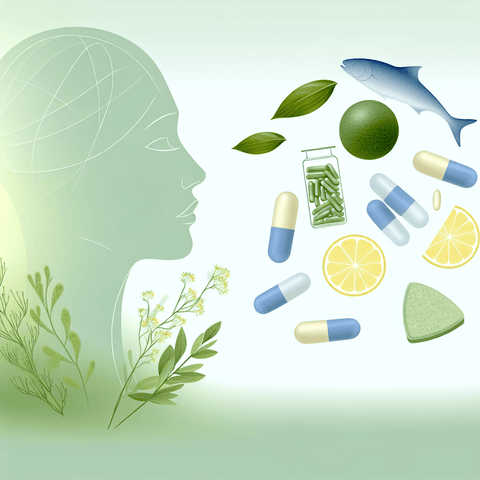
Skincare nutrition explores the connection between your diet and the health of your skin. It moves beyond the idea of expensive creams or quick fixes to focus on how the foods you eat provide the building blocks your skin needs to function properly. This page serves as a starting point to understand the principles of skincare nutrition, the key nutrients involved, and how to approach your diet to support your skin from within.
What Is Skincare Nutrition?
Skincare nutrition is the practice of considering your food choices as a way to support your skin's health. It is based on the understanding that your skin, like every other organ, requires a range of nutrients to maintain its structure, its barrier function, and its ability to repair itself. This approach emphasizes a balanced, varied diet rich in whole foods, rather than focusing solely on individual nutrients or supplements.
While a single meal won't transform your skin, consistent dietary patterns over time can make a difference. The goal is to build a sustainable eating style that naturally provides a broad spectrum of beneficial compounds, from vitamins and minerals to antioxidants and healthy fats.
Why Is Diet Important for Skin Health?
Your skin is the largest organ in your body, and it relies on a steady supply of nutrients to stay healthy. Several factors make the diet-skin connection particularly important:
- Cellular function: Vitamins and minerals act as coenzymes and structural components in countless cellular processes, including those in skin cells.
- Antioxidant protection: Many nutrients help neutralize free radicals—unstable molecules that can damage cells, including skin cells, through oxidative stress.
- Collagen production: Certain nutrients are needed for the body to produce collagen, a protein that provides structure and firmness to the skin.
- Inflammatory response: Some foods can influence the body’s inflammatory processes, which may play a role in certain skin conditions.
- Hydration: Diet contributes to overall hydration status, which can affect skin plumpness and elasticity.
Key Nutrients for Skin Health
A broad strategy for skincare nutrition involves ensuring adequate intake of several key nutrients. Here’s a look at some important players:
Vitamins for Skin
- Vitamin A: Important for skin cell growth and repair. You can learn more in our dedicated guide on vitamin A.
- Vitamin C: A well-known antioxidant that also plays a role in collagen synthesis. It’s foundin citrus fruits, berries,and peppers.
- Vitamin D: Research suggests it may play a role in skin barrier function and immune regulation. Explore our collection on vitamin D for more details.
- Vitamin E: Another antioxidant that works with vitamin C to help protect cells from damage. It’s foundin nuts, seeds,and vegetable oils.
Minerals and Other Nutrients
- Zinc: A mineral that supports skin health, immune function,and wound healing. Sources include oysters, red meat,and pumpkin seeds.
- Omega-3 Fatty Acids: Healthy fats that help support the skin’s lipid barrier and may help manage inflammation. They are foundin fatty fish, flaxseeds,and walnuts.
- Selenium: An antioxidant mineral foundin brazil nuts, fish,and eggs.
For a broader overview of essential minerals, including zinc and selenium, you can explore our collection on mineral supplements.
Best Foods and Dietary Patterns for Skin
Rather than fixating on a single 'superfood', a more effective approach is to adopt an overall healthy dietary pattern that naturally provides a wide array of skin-supporting nutrients.
Mediterranean-Style eating
This dietary pattern is often highlighted for its general health benefits, including potential benefits for skin. It emphasizes:
- Fruits and vegetables as the main source of vitamins, mineralsand antioxidants.
- Whole grains over refined carbohydrates.
- Healthy fats like olive oil and fish.
Hydration
Drinking enough water is a simple and essential part of skincare nutrition. Adequate hydration helps maintain skin moisture and may improve its overall appearance.
Supplements and Skincare Nutrition
While a balanced diet should be the primary source of nutrients, supplements can sometimes help address specific gaps. However, they are generally not a substitute for healthy eating. Some nutrients that people consider for skin health include:
- Vitamin C or E supplementsfor an antioxidant boost.
- Omega-3 supplements from fish oil or algae.
- A general multivitamin to help cover nutritional bases. See our guide to multivitamins for more information.
It’s always recommended to speak with a healthcare professional before starting any new supplement regimen.
Important Considerations and Lifestyle Factors
Several other factors play a significant role in the health of your skin. A holistic approach considers these alongside diet:
- Sun protection: Protecting your skin from UV damage remains one of the most important things you can do for its long-term health.
- Sleep and stress management: Poor sleep and chronic stress can take a toll on your skin.
- Consistency: Sustainable habits over weeks and months are more impactful than short-term changes.
Exploring the Topic Further
This guide provides a broad overview of skincare nutrition. For a deeper dive into specific aspects, explore the dedicated articles in this section. They address more targeted questions, such as the science behind individual nutrients, specific foods and skin concerns, and practical ways to build a skin-friendly diet.
Understanding skincare nutrition is a journey, not a destination. By learning the basics and building from there, you can make informed food choices that support your health from the inside out.