
Para comprender las fuentes de vitamina B12, esta página analiza una variedad de alimentos y opciones enriquecidas que contienen este nutriente. Resalta diferentes formas de identificar las fuentes de vitamina B12 y ayuda a los lectores a comparar cómo distintos patrones dietéticos abordan los alimentos que contienen B12. Las fuentes comunes de vitamina B12 se encuentran en alimentos de origen animal, como carne de res, aves, huevos, lácteos y pescado. Estos artículos se citan frecuentemente como contribuyentes tradicionales a la ingesta de B12 y son ampliamente reconocidos en las listas de fuentes de vitamina B12. Para los vegetarianos, las fuentes de vitamina B12 a menudo provienen de alimentos enriquecidos y, en algunos casos, suplementos. Los cereales enriquecidos y las leches vegetales son ejemplos de artículos que pueden contribuir al contenido de B12 en este enfoque dietético, ilustrando cómo diferentes opciones pueden aparecer entre las fuentes de vitamina B12. Para quienes comen carne, las fuentes de vitamina B12 incluyen una gama más amplia de productos animales, con alimentos enriquecidos que ofrecen opciones adicionales. Prácticamente, los lectores pueden revisar la información nutricional para identificar fuentes confiables de vitamina B12 que se ajusten a sus preferencias.
Principales fuentes de vitamina B12: alimentos que aumentan tus niveles de B12
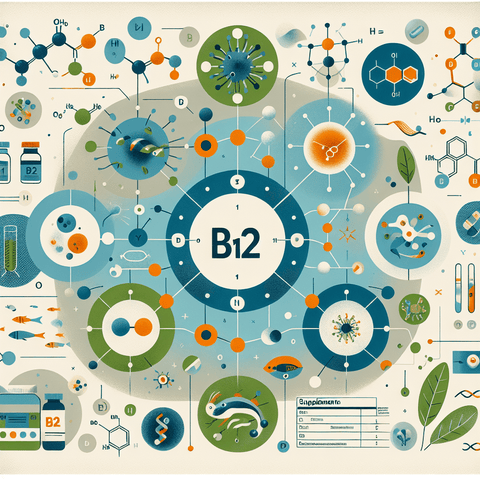
Vitamin B12 is a water-soluble nutrient that plays a role in several normal body functions. Because the body does not produce it in meaningful amounts, people generally rely on dietary intake. This makes sources of vitamin B12 a central topic for anyone reviewing their overall nutrition, whether they follow a mixed diet, a vegetarian diet or a vegan diet.
What Are Sources of Vitamin B12?
In broad terms, sources of vitamin B12 are foods and fortified products that contain this nutrient. Most natural occurrences are found in animal-derived foods, while fortified foods can provide added B12 in products that would not otherwise contain it. This distinction matters because it shapes how different dietary patterns approach B12 intake.
It is also useful to separate food sources from supplements. Food sources of vitamin B12 refer to everyday foods and drinks, while supplements are formulated products that deliver B12 in a concentrated form. This page focuses mainly on food and fortified sources, while noting where supplements may be discussed in more detail elsewhere.
Common Food Sources of Vitamin B12
Across most dietary surveys and nutrition references, the foods most frequently listed as sources of vitamin B12 are animal-derived. These include:
- Meat and poultry, such as beef and chicken
- Fish and seafood, including clams, salmon and tuna
- Eggs, particularly the yolk
- Dairy products, such as milk, cheese and yoghurt
These foods are widely recognised in lists of sources of vitamin B12, and many people who follow a mixed diet obtain at least some of their B12 from them. However, the amount present can vary depending on the food, the serving size and the way it is prepared. For this reason, comparing sources usually means looking at both the type of food and the amount typically eaten.
Plant-Based and Fortified Sources of Vitamin B12
Unfortified plant foods are not generally considered natural sources of vitamin B12. For vegetarians and vegans, fortified foods are therefore a common route for including B12 in the diet. Examples that are often mentioned include:
- Fortified breakfast cereals
- Fortified plant-based milks and yoghurts
- Fortified nutritional yeast, where explicitly fortified
Fortified products can carry added B12, but levels depend on the specific product and the manufacturer. This makes label reading important for anyone relying on fortified foods as a main source. When comparing options, looking at the nutrition information panel can help clarify whether a product contributes meaningfully to B12 intake.
How Dietary Patterns Affect B12 Intake
Different dietary patterns approach sources of vitamin B12 in different ways. People who eat animal products may obtain B12 from a fairly wide range of foods, while those following plant-based diets often rely on fortified products. This does not mean one pattern is automatically better or worse; it means the practical sources differ.
For people who eat meat, fish, eggs and dairy, traditional sources are often part of regular meals. For vegetarians who still eat eggs and dairy, some natural sources remain available. For vegans, fortified foods are usually the main dietary route, and some people also consider supplements. Understanding these differences helps explain why sources of vitamin B12 are discussed differently across dietary groups.
Practical Ways to Compare Vitamin B12 Sources
When reviewing sources of vitamin B12, a few simple practices can help make comparisons clearer:
- Check the nutrition label for B12 content per serving
- Compare serving sizes, since amounts can vary widely
- Consider how often you eat a given food, not just whether it contains B12
- Look at whether a product is fortified and what level of fortification it lists
These steps can help readers move from a general list of B12-containing foods to a more personal understanding of which sources fit their own eating habits.
Supplements and Vitamin B12
Supplements are a separate category from food sources, but they often appear in discussions about vitamin B12. Some people use them alongside dietary sources, particularly when their diet may provide limited B12. Supplement formats vary, and the choice of product is a personal one that may benefit from professional guidance.
If you are exploring supplements, our vitamin B complex guide provides a broader overview of the B vitamin family. For a wider look at individual nutrients and their roles, the natural supplements collection may also be useful.
Why Vitamin B12 Sources Matter
Paying attention to sources of vitamin B12 is part of general nutritional awareness. Because B12 is not produced by the body, intake depends on food choices, fortification and, in some cases, supplements. Understanding where B12 can be found helps readers place the nutrient in context and make more informed decisions about their overall diet.
This page is intended as general educational information and not as medical advice. Anyone with specific questions about their own B12 status or dietary needs may wish to consult a qualified healthcare professional.