
{"type":"json_object"}
Detecta vitaminas falsas: 7 señales de alerta para proteger tu salud
26 de August, 2025
Aprender cómo identificar suplementos falsificados ayuda a reducir riesgos y compras engañosas. En esta guía encontrarás señales de alerta en tiendas físicas y online, pasos para verificar el número de lote y el código QR, criterios para valorar a un vendedor y qué hacer si sospechas de un producto. También respondemos a dudas sobre marcas conocidas, reseñas y certificaciones de terceros.
{
"content": "
Detectar vitaminas falsas antes de comprarlas puede proteger tanto tu salud como tu bolsillo. Los suplementos falsificados y de baja calidad son un problema creciente, especialmente en internet, y los productos que contienen poco o nada del nutriente indicado en la etiqueta —o peor aún, rellenos y contaminantes no declarados— pueden frustrar tus objetivos nutricionales. Esta guía explica qué son las vitaminas falsas, las siete señales de alerta más comunes, cómo verificar una marca y cómo decidir si un suplemento es siquiera necesario para ti.
\n\n
¿Qué son las vitaminas falsas? Entender los suplementos falsificados y de baja calidad
\n\n
Las vitaminas falsas son productos que tergiversan lo que contienen. Pueden no incluir nada del nutriente anunciado, contener mucho menos de la dosis indicada o estar compuestas por sustancias completamente diferentes. Dado que los suplementos dietéticos se regulan de forma distinta a los medicamentos con receta, la carga del control de calidad suele recaer en los fabricantes —y en los consumidores, que deben mantenerse alerta.
\n\n
Vitaminas falsas frente a suplementos deficientes: ¿cuál es la diferencia?
\n\n
Los productos falsificados imitan deliberadamente una marca legítima, a menudo con logotipos y envases copiados, mientras que el contenido difiere del original. Los suplementos deficientes no son necesariamente fraudulentos: son productos que se venden legalmente pero cuya calidad, potencia o estándares de fabricación no alcanzan lo esperado. Ambos pueden dejarte sin los nutrientes que esperas, pero los falsificados conllevan el riesgo adicional de ingredientes desconocidos o dañinos.
\n\n
Tipos comunes de suplementos falsificados, diluidos y mal etiquetados
\n\n
- Productos diluidos que contienen una fracción de la dosis indicada, rellenados con excipientes baratos como harina de arroz o almidón.
- Ingredientes sustituidos, donde un nutriente caro se reemplaza por algo más barato que no aparece en la etiqueta.
- Dosis mal etiquetadas, donde la cantidad por porción no coincide con el análisis de laboratorio del contenido.
- Productos contaminados, que en ocasiones contienen metales pesados, sustancias farmacéuticas no declaradas o alérgenos no listados.
\n\n
Por qué detectar vitaminas falsas importa para tu salud
\n\n
Qué ocurre cuando tomas suplementos que no son lo que dicen ser
\n\n
Si tomas un suplemento para cubrir una carencia nutricional específica —por ejemplo, vitamina D en invierno o vitamina B12 en una dieta basada en plantas—, un producto falsificado simplemente no cubre esa carencia. El riesgo de deficiencia continúa, a menudo sin que lo notes, porque crees que estás cubierto. Esto puede ser especialmente relevante para personas con necesidades elevadas, como durante el embarazo o en la vejez.
\n\n
Cómo los ingredientes no verificados y los contaminantes pueden afectar tu bienestar
\n\n
Los productos no verificados pueden contener fármacos activos no declarados, cantidades excesivas de ciertos nutrientes o contaminantes como el plomo. Más allá del dinero desperdiciado, pueden causar efectos secundarios, interactuar con medicamentos o superar los niveles máximos de ingesta segura —riesgos que un producto debidamente analizado está diseñado para minimizar.
\n\n
7 señales de alerta que te ayudan a detectar vitaminas falsas
\n\n
Señal de alerta 1: Precios que parecen demasiado buenos para ser verdad
\n\n
Los ingredientes de calidad, los análisis y la fabricación conforme a la normativa cuestan dinero. Si una marca conocida se ofrece a una fracción de su precio habitual, especialmente en grandes cantidades o como \"liquidación\", trátala con cautela. Los descuentos muy agresivos son una táctica habitual para mover stock falsificado rápidamente.
\n\n
Señal de alerta 2: Información de etiqueta ausente o vaga (ingredientes, dosis, fabricante)
\n\n
Un suplemento legítimo indica claramente las formas de los nutrientes, las cantidades por porción, el tamaño de la porción y el fabricante o distribuidor responsable. Las \"mezclas propietarias\" vagas sin cantidades, las formas de nutrientes ausentes o la falta de una empresa identificable son señales de advertencia.
\n\n
Señal de alerta 3: Ausencia de análisis de terceros o certificaciones de calidad
\n\n
Las marcas de confianza suelen verificar sus productos a través de laboratorios independientes y muestran certificaciones como USP, NSF o Informed Choice. La ausencia de cualquier verificación por terceros no prueba que un producto sea falso, pero elimina una capa importante de garantía.
\n\n
Señal de alerta 4: Afirmaciones de salud poco realistas y marketing de \"cura todo\"
\n\n
Los suplementos no pueden afirmar legalmente que curan, tratan o previenen enfermedades. El marketing que promete curas rápidas, pérdida de peso drástica o beneficios para una larga lista de condiciones no relacionadas es un sello distintivo de productos de baja calidad o fraudulentos.
\n\n
Señal de alerta 5: Envases sospechosos, errores ortográficos y mala calidad de impresión
\n\n
Los falsificadores suelen descuidar los detalles: nombres de ingredientes mal escritos, logotipos borrosos, etiquetas desalineadas, tamaños de frasco inusuales o envases que difieren de las imágenes oficiales del producto en la web de la marca.
\n\n
Señal de alerta 6: Vendedores y sitios web desconocidos o no rastreables
\n\n
Si el vendedor no tiene dirección física, ni contacto de atención al cliente, ni política de devoluciones, o si su sitio web se registró hace apenas unas semanas, procede con cuidado. Los minoristas y las marcas legítimas son rastreables y responsables.
\n\n
Señal de alerta 7: Falta de números de lote, fechas de caducidad o datos de contacto
\n\n
Todo suplemento fabricado correctamente lleva un número de lote y una fecha de caducidad, lo que permite rastrear problemas de calidad. La ausencia de números de lote, de fechas de caducidad o de cualquier forma de contactar al fabricante son señales de alerta graves.
\n\n
Dónde se venden con más frecuencia las vitaminas falsas y de baja calidad
\n\n
Marketplaces online frente a farmacias y minoristas especializados
\n\n
Los suplementos falsificados aparecen con mayor frecuencia en grandes marketplaces de terceros, anuncios en redes sociales y tiendas web oscuras, donde se mezcla el inventario de múltiples vendedores y la verificación es limitada. Las farmacias establecidas y los minoristas especializados en suplementos suelen tener relaciones directas con proveedores y controles de calidad más sólidos.
\n\n
Por qué los suplementos falsificados son más comunes en ciertos canales
\n\n
Los vendedores anónimos, la rápida rotación y la supervisión mínima hacen que ciertos canales online sean atractivos para productos fraudulentos. Los productos que llegan sin precintos, en frascos reenvasados o con etiquetas en idiomas extranjeros de origen poco claro merecen especial escrutinio.
\n\n
Cómo verificar una marca de suplementos antes de comprar
\n\n
Certificaciones de terceros que debes buscar (USP, NSF, Informed Choice)
\n\n
Certificaciones como USP Verified, NSF Certified for Sport e Informed Choice indican que una organización independiente ha analizado el producto en cuanto a identidad, potencia y contaminantes. No son una garantía de beneficios para la salud, pero reducen sustancialmente el riesgo de comprar un producto tergiversado.
\n\n
Comprobar la transparencia del fabricante, el origen y los análisis de laboratorio
\n\n
Los fabricantes fiables publican datos de contacto, explican dónde y cómo se elaboran los productos y pueden proporcionar un certificado de análisis a petición. Las marcas que responden a preguntas sobre el origen de los ingredientes y los análisis demuestran una responsabilidad que los vendedores anónimos no pueden igualar.
\n\n
Usar herramientas de verificación y servicios de consulta de lotes
\n\n
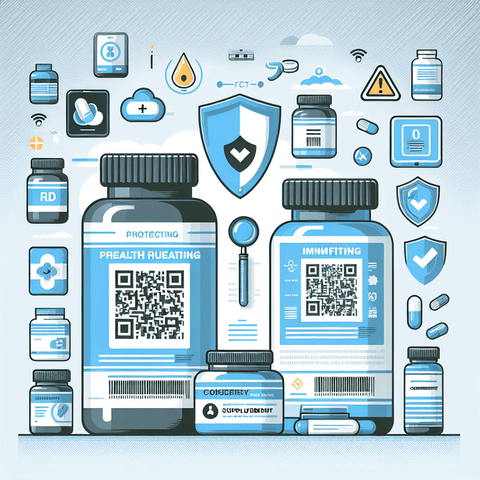
Algunas marcas y organismos de certificación ofrecen herramientas de consulta de lotes o códigos QR que permiten confirmar la autenticidad. Comparar el envase y el número de lote con la web oficial del fabricante es un paso rápido y práctico antes de usarlo.
\n\n
Al evaluar los estándares de calidad generales de una marca, ayuda observar cómo un minorista selecciona su catálogo —por ejemplo, explorando una colección de suplementos naturales de un minorista establecido con políticas de origen claras.
\n\n
Qué debe incluir una etiqueta de vitaminas legítima
\n\n
Entender los paneles de información nutricional, los tamaños de porción y las formas de los nutrientes
\n\n
Un panel de información nutricional adecuado indica el tamaño de la porción, la cantidad por porción y la forma química específica de cada nutriente —por ejemplo, citrato de magnesio frente a óxido de magnesio, o metilcobalamina frente a cianocobalamina para la B12. Los porcentajes basados en las ingestas de referencia te ayudan a comparar productos y a evitar superar los límites máximos al combinar suplementos.
\n\n
Leer las listas de ingredientes: nutrientes activos, excipientes y alérgenos
\n\n
Además de los nutrientes activos, la etiqueta debe declarar los excipientes, aglutinantes, edulcorantes y principales alérgenos. Esto importa para personas con alergias, intolerancias o preferencias dietéticas como las formulaciones veganas.
\n\n
Comparar etiquetas entre productos sin dejarse engañar
\n\n
Compara los productos sobre la misma base: cantidad por porción, forma del nutriente y número de porciones por envase. Una dosis más alta no es automáticamente mejor —más sobre esto a continuación. Para una explicación más detallada, consulta esta guía sobre ingredientes, uso y seguridad de los multivitamínicos.
\n\n
Por qué importa la calidad: cómo la forma del nutriente y la biodisponibilidad afectan los resultados
\n\n
Por qué la misma dosis de nutriente puede diferir entre productos
\n\n
La biodisponibilidad —cuánto de un nutriente se absorbe y se utiliza realmente— varía según la forma química, la formulación y factores individuales como la salud intestinal y la edad. Dos productos con cantidades idénticas en miligramos pueden aportar cantidades absorbidas significativamente distintas.
\n\n
Formas comunes de nutrientes y su absorción (p. ej., magnesio, vitamina D, B12)
\n\n
El citrato y el glicinato de magnesio generalmente se absorben mejor y son más suaves para la digestión que el óxido de magnesio, que a menudo se usa como excipiente barato. La vitamina D3 suele preferirse sobre la D2 para elevar y mantener el estado de vitamina D. En el caso de la B12, tanto la cianocobalamina como la metilcobalamina son formas utilizables, aunque la respuesta individual puede variar. Existen diferencias, pero las afirmaciones de que una sola forma es universalmente superior suelen ser exageradas.
\n\n
Primero los alimentos: cubrir tus necesidades nutricionales a través de la dieta
\n\n
Fuentes alimentarias clave de las vitaminas y minerales más suplementados
\n\n
- Vitamina D: pescados grasos, lácteos y bebidas vegetales fortificadas, yemas de huevo; también se produce en la piel por exposición al sol.
- Vitamina B12: carne, pescado, huevos, lácteos y alimentos fortificados para quienes siguen dietas basadas en plantas.
- Vitamina C: cítricos, frutos rojos, pimientos y crucíferas.
- Magnesio: frutos secos, semillas, cereales integrales, legumbres y verduras de hoja verde.
- Hierro: carne roja e hígado (hierro hemo), y legumbres, espinacas y cereales fortificados (hierro no hemo, que se absorbe con menos eficiencia).
\n\n
Factores de estilo de vida que apoyan el estado nutricional
\n\n
La exposición regular al sol influye en el estado de vitamina D, la variedad dietética favorece una amplia cobertura de micronutrientes, y limitar el alcohol y no fumar ayudan a preservar la absorción y utilización de los nutrientes. Para la mayoría de los adultos bien nutridos que siguen una dieta variada, los alimentos por sí solos cubren la mayor parte de las necesidades nutricionales.
\n\n
Cuándo puede valer la pena considerar los suplementos
\n\n
Situaciones en las que la dieta por sí sola puede no ser suficiente
\n\n
La investigación y las guías de salud pública sugieren que la suplementación puede ser relevante en circunstancias específicas: vitamina D en regiones con poca luz solar o en los meses de invierno, vitamina B12 para veganos estrictos y muchas personas mayores, ácido fólico para mujeres que planean un embarazo, y hierro para algunas mujeres menstruantes. Las dietas restringidas, los trastornos de malabsorción y ciertos medicamentos también pueden reducir la ingesta o la absorción.
\n\n
Por qué los análisis y la orientación profesional ayudan antes de suplementar
\n\n
Síntomas como la fatiga son inespecíficos y pueden tener muchas causas. Para los nutrientes con pruebas validadas —incluidos la vitamina D, la B12, el folato y el estado del hierro—, un análisis de sangre proporciona información mucho más útil que adivinar. Un profesional sanitario puede interpretar los resultados en contexto y recomendar dosis apropiadas si es necesario.
\n\n
Quiénes pueden beneficiarse más de elegir suplementos de alta calidad y verificados
\n\n
Grupos con mayores necesidades nutricionales o dietas restringidas
\n\n
Las mujeres embarazadas, las personas mayores, quienes siguen dietas restringidas o de eliminación y aquellas con mayores demandas físicas pueden tener necesidades elevadas. Para estos grupos, un producto de baja calidad o falsificado resulta especialmente costoso, porque realmente se depende del suplemento para cubrir una carencia real.
\n\n
Personas que toman medicamentos o gestionan condiciones de salud
\n\n
Las personas que usan medicamentos como inhibidores de la bomba de protones, metformina o anticoagulantes pueden tener una absorción de nutrientes alterada o riesgos de interacción. En estas situaciones, la pureza del producto y el etiquetado preciso importan aún más, y la orientación profesional debe ser lo primero.
\n\n
Consideraciones de seguridad: dosis, interacciones y límites máximos
\n\n
Por qué más no es mejor: riesgos de dosis excesivas
\n\n
Los nutrientes tienen niveles máximos de ingesta tolerable. El exceso de vitamina A con el tiempo puede dañar el hígado y los huesos, una dosis muy alta de vitamina D puede causar una elevación peligrosa del calcio, y el hierro en dosis altas puede ser tóxico. Las etiquetas precisas —lo contrario de lo que ofrecen los productos falsificados— son esenciales para mantenerse dentro de rangos seguros.
\n\n
Interacciones comunes entre suplementos y medicamentos que debes conocer
\n\n
La vitamina K puede reducir el efecto de la warfarina, los antioxidantes en dosis altas pueden interactuar con algunos protocolos de quimioterapia, y el magnesio puede afectar la absorción de ciertos antibióticos. Informa siempre a tu médico o farmacéutico sobre los suplementos que utilizas.
\n\n
Embarazo, niños y condiciones médicas: cuándo consultar primero a un profesional
\n\n
Durante el embarazo y la lactancia, en niños pequeños, y con afecciones renales, hepáticas o crónicas, las decisiones de dosificación deben tomarse con un profesional cualificado en lugar de autogestionarse —tanto por seguridad como para evitar suplementaciones innecesarias.
\n\n
Cómo decidir: ¿cambios en la dieta, análisis o un suplemento verificado?
\n\n
Una lista de verificación sencilla antes de comprar cualquier vitamina
\n\n
- ¿Puedo cubrir esta necesidad primero mediante la alimentación o cambios en el estilo de vida?
- ¿Tengo una deficiencia confirmada por análisis o una razón bien fundamentada para suplementar?
- ¿La etiqueta indica claramente las formas de los nutrientes, las dosis, el número de lote y la fecha de caducidad?
- ¿Existe análisis de terceros o certificación?
- ¿Estoy comprando a un vendedor rastreable y responsable?
\n\n
Preguntas que hacer sobre cualquier marca o producto
\n\n
¿Dónde se fabrica el producto? ¿Puede la empresa proporcionar un certificado de análisis? ¿Qué formas específicas de nutrientes se utilizan y por qué? Una marca que no puede o no quiere responder a estas preguntas no merece tu confianza.
\n\n
Entender cómo actúan nutrientes específicos —por ejemplo, el papel del magnesio en el apoyo a la energía, los músculos y los huesos— también te ayuda a juzgar si las afirmaciones y la formulación de un producto tienen sentido.
\n\n
Preguntas frecuentes sobre cómo detectar vitaminas falsas
\n\n
¿Las vitaminas falsas pueden enfermarte?
\n
Sí. Los suplementos falsificados o contaminados pueden contener sustancias farmacéuticas no declaradas, metales pesados, dosis excesivas o alérgenos no listados. Como mínimo, te dejan sin los nutrientes que pretendías tomar, lo que puede permitir que una deficiencia persista sin ser detectada.
\n\n
¿Es seguro comprar suplementos en Amazon y otros marketplaces?
\n
No necesariamente inseguro, pero sí de mayor riesgo. Los marketplaces de terceros mezclan inventario de muchos vendedores, y los suplementos falsificados se han documentado repetidamente en ellos. Compra en la tienda oficial de la marca o en un minorista especializado de confianza, y revisa con cuidado las opiniones de los vendedores y los detalles de autenticidad.
\n\n
¿Cómo puedo saber si mi suplemento está aprobado por la FDA?
\n
No puedes —y eso es normal. En Estados Unidos, la FDA no aprueba los suplementos dietéticos antes de su venta; los regula después de su comercialización. En su lugar, busca certificaciones de terceros como USP o NSF, que verifican la calidad de forma independiente.
\n\n
¿Cuál es la diferencia entre vitaminas falsificadas y simplemente de baja calidad?
\n
Los productos falsificados imitan fraudulentamente una marca legítima, a menudo con envases falsos. Los suplementos de baja calidad son productos genuinos cuya potencia, pureza o estándares de fabricación simplemente son deficientes. Ambos conviene evitarlos, pero los falsificados conllevan el riesgo añadido de un contenido desconocido.
\n\n
¿Qué debo hacer si sospecho que compré un suplemento falso?
\n
Deja de usar el producto, conserva el envase y el recibo, contacta al fabricante y al vendedor, y denúncialo ante tu autoridad nacional de protección al consumidor o seguridad alimentaria. Si te sientes mal después de tomarlo, busca atención médica de inmediato.
\n\n
¿Las vitaminas falsas contienen alguna vez ingredientes dañinos?
\n
Pueden contenerlos. Los análisis de suplementos falsificados incautados han encontrado estimulantes no declarados, análogos de medicamentos con receta y contaminación por metales pesados. Por eso los análisis de terceros y los vendedores rastreables importan tanto.
\n\n
¿Un precio más alto es siempre señal de mejor calidad?
\n
No. El precio refleja el branding y los márgenes tanto como la calidad. Un punto de comparación justo es si el producto ofrece formas de nutrientes verificadas, etiquetado transparente y análisis independientes —no si es la opción más cara.
\n\n
¿Cómo puedo comprobar si una marca de suplementos es legítima?
\n
Busca una dirección real del fabricante, atención al cliente funcional, certificación de terceros, números de lote y coherencia entre el producto que recibes y la web oficial. La disponibilidad de un certificado de análisis a petición es una señal positiva muy fuerte.
\n\n
¿Los suplementos falsificados son más comunes en internet?
\n
Sí. Los vendedores anónimos, el inventario mezclado de los marketplaces y la débil supervisión hacen que los canales online de terceros sean la fuente más común de suplementos falsificados, aunque los productos fraudulentos pueden aparecer en cualquier lugar si el origen no está verificado.
\n\n
¿Una vitamina falsa puede \"funcionar\" igual como placebo?
\n
Los efectos placebo son reales, pero no restauran el estado nutricional. Si estás suplementando para corregir una carencia real —vitamina D, B12, hierro—, un producto sin el nutriente activo no la corregirá, sin importar cómo te sientas a corto plazo.
\n\n
¿Debo confiar en los suplementos con \"natural\" en la etiqueta?
\n
La palabra \"natural\" es en gran medida un término de marketing sin una definición regulatoria estricta para los suplementos. Juzga el producto por la transparencia de su etiqueta, las formas de los nutrientes y los análisis —no por el texto del frontal del envase.
\n\n
¿Con qué frecuencia analizan los reguladores los suplementos?
\n
Los análisis suelen ser reactivos y específicos en lugar de universales, lo que significa que muchos productos en las estanterías nunca han sido analizados de forma independiente. Esa laguna es exactamente la razón por la que la concienciación del consumidor y la certificación de terceros desempeñan un papel tan importante.
\n\n
Conclusiones clave: proteger tu salud con decisiones informadas sobre suplementos
\n\n
- Las vitaminas falsas incluyen productos falsificados, diluidos y mal etiquetados —todos ellos pueden dejar sin cubrir carencias nutricionales reales.
- Las siete señales de alerta clave: precios demasiado buenos para ser verdad, etiquetas vagas, ausencia de análisis de terceros, afirmaciones poco realistas, envases deficientes, vendedores no rastreables y falta de datos de lote o caducidad.
- Las certificaciones de terceros como USP, NSF e Informed Choice proporcionan una verificación de calidad independiente y significativa.
- Los suplementos falsificados son más comunes en marketplaces de terceros y tiendas web anónimas.
- Una etiqueta legítima indica las formas de los nutrientes, las dosis por porción, los alérgenos, el número de lote y la fecha de caducidad.
- La forma del nutriente afecta la biodisponibilidad —la misma cantidad en miligramos puede aportar cantidades absorbidas diferentes.
- Primero los alimentos: una dieta variada y un estilo de vida saludable cubren la mayoría de las necesidades nutricionales de los adultos bien nutridos.
- Los suplementos son más relevantes en situaciones específicas —embarazo, poca exposición solar, dietas veganas, vejez, malabsorción— idealmente guiadas por análisis.
- Los síntomas por sí solos no pueden confirmar una deficiencia; los análisis de sangre validados y el consejo profesional superan a las suposiciones.
- Más no es mejor: mantente dentro de los límites máximos de ingesta y comprueba las interacciones con los medicamentos que tomes.
\n\n
Conclusión: tomar decisiones informadas y seguras sobre suplementos
\n\n
Detectar vitaminas falsas se reduce a aplicar escepticismo en los lugares correctos: el precio, la etiqueta, el vendedor y la evidencia de análisis independientes. Antes de recurrir a cualquier suplemento, empieza por la dieta y el estilo de vida, considera si tus circunstancias realmente justifican la suplementación, y recurre a análisis u orientación profesional donde exista incertidumbre. Si decides suplementarte, elige productos con etiquetas transparentes, formas de nutrientes verificadas y fabricación rastreable —porque un suplemento en el que no puedes confiar no puede apoyar tu salud. Las necesidades nutricionales difieren de una persona a otra, y la mejor elección es siempre la que se basa en tu propia dieta, tu estado de salud y tus circunstancias.
\n\n
Palabras clave relacionadas
\n
- detectar vitaminas falsas
- cómo identificar suplementos falsificados
- señales de alerta de vitaminas falsas
- suplementos dietéticos falsificados
- suplementos analizados por terceros
- leer la etiqueta de un suplemento
- vitaminas verificadas por USP
- seguridad y calidad de los suplementos
- biodisponibilidad y formas de los nutrientes
- suplementación de vitamina D y B12
- interacciones entre suplementos y medicamentos
- comprar suplementos online de forma segura
"
}