Hierbas para aliviar el estrés: Descubre remedios naturales y calmantes para la ansiedad


Esta página se centra en las hierbas para aliviar el estrés y en la idea más amplia de enfoques naturales para la ansiedad. Encontrarás una descripción general de hierbas relajantes, orientación sobre cómo localizar fuentes respaldadas por la ciencia, y pasos sencillos que puedes probar hoy para cultivar una sensación de calma. El énfasis está en cómo se discute el tema en las comunidades—desde usos tradicionales hasta discusiones de investigación moderna—sin hacer afirmaciones de salud. Al enmarcar el tema en torno a la investigación y la evidencia, la página ayuda a los lectores a explorar las hierbas para aliviar el estrés con un ojo crítico. El objetivo es ofrecer un punto de partida calmado e informativo para quienes tengan curiosidad sobre este tema. En las conversaciones sobre hierbas relajantes, las personas suelen mencionar plantas que comúnmente se describen como hierbas para aliviar el estrés. Los ejemplos que se encuentran con frecuencia incluyen lavanda, manzanilla, valeriana y pasiflora, entre otras. Esta sección describe cómo estas hierbas aparecen en la cultura y en la literatura, no como afirmaciones de tratamiento, sino como elementos que aparecen en discusiones sobre la relajación. Notamos que las descripciones varían según la cultura, la tradición y la fuente, y recomendamos revisar múltiples perspectivas. El lenguaje en torno a las hierbas tiende a mezclar el uso histórico, las asociaciones aromáticas y las experiencias de los usuarios, todas ellas influyen en cómo se habla de las hierbas para aliviar el estrés. Al buscar fuentes respaldadas por la ciencia sobre hierbas para aliviar el estrés, puedes priorizar estudios revisados por pares, revisiones sistemáticas y organizaciones de salud o investigación de renombre. Busca información que etiquete claramente el tipo de evidencia, reconozca limitaciones y cite las fuentes. El objetivo aquí es ayudarte a distinguir entre diferentes tipos de información y comprender qué se considera creíble en este campo. Recuerda que la ciencia es un proceso en curso, y las fuentes pueden presentar puntos de vista en evolución a medida que aparecen nuevas investigaciones. Esta sección también señala los desafíos comunes en la evaluación de información relacionada con hierbas, como la terminología inconsistente y los diferentes diseños de estudio. Para pasos sencillos para sentirte más relajado hoy, prueba prácticas rápidas y no técnicas que encajen en la vida diaria. Ejemplos incluyen ejercicios breves de respiración o grounding, una pausa corta para un momento de tranquilidad, o un paseo rápido al aire libre para cambiar de escenario. Crear un ambiente pequeño y calmado—como una iluminación tenue o sonidos suaves—puede ayudar a crear un ánimo de relajación. Puedes combinar estas prácticas con notas reflexivas o un breve momento de escritura para observar qué ayuda a tu sensación inmediata de calma. Estas ideas se relacionan con el tema de las hierbas para aliviar el estrés al fomentar la exploración consciente y la observación personal junto con la lectura sobre plantas calmantes.


What Are Adaptogen Supplements? Benefits and Uses Explained | Topvitamine - Topvitamine
30 de July, 2025
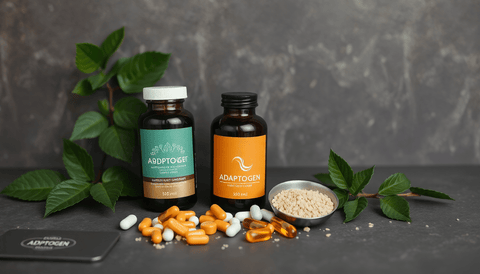
Los adaptógenos son ingredientes de origen vegetal que se estudian por su posible papel en la respuesta del organismo al estrés. Esta guía explica qué son, para qué sirven, en qué se diferencian la ashwagandha y la rhodiola rosea, cuáles son los ejemplos más conocidos y qué revisar antes de elegir suplementos adaptógenos. También incluye pautas generales de uso y precauciones importantes.

When everyday pressures mount, many people seek natural ways to find balance and calm. Stress relief herbs offer one avenue of exploration, drawing on plant-based traditions that span centuries and cultures. This guide introduces the broader topic of herbal support for stress, outlines the main botanicals frequently discussed, and provides practical considerations for those curious about incorporating them into a wellness-focused lifestyle. Rather than focusing on individual conditions, this page serves as a broad starting point for understanding the landscape of natural stress support.

What Are Stress Relief Herbs?

Stress relief herbs are botanicals traditionally used to help the body cope with stress and promote a sense of calm. These plants contain a variety of naturally occurring compounds that interact with the body in different ways—some may support the nervous system, while others contribute to a relaxed state of mind. They are typically consumed as teas, taken in capsule or tincture form, or used in aromatherapy through essential oils. While they are not intended to treat or cure any medical condition, they are often integrated into daily routines as gentle, supportive measures for overall well-being.

The interest in herbal stress support reflects a broader movement toward natural and holistic health approaches. Many people appreciate the long history of use behind these plants, which have been part of traditional healing systems such as Ayurveda and Western herbalism for generations. However, it is important to approach them with informed expectations, recognizing that individual responses can vary and scientific research is still evolving.

Key Categories of Calming Botanicals

The world of stress relief herbs is diverse, with different botanicals offering different mechanisms of support. Understanding the broad categories can help you navigate your options and make informed choices that align with your personal wellness goals.

Adaptogens: Supporting Resilience

Adaptogens are a class of herbs that have gained significant attention in recent years. These botanicals are traditionally believed to help the body adapt to various stressors—whether physical, emotional, or environmental—and to support the restoration of balance. Ashwagandha is perhaps the most well-known adaptogen for stress support, with roots in Ayurvedic medicine. Other examples include holy basil and rhodiola. While research is growing, these herbs are often used as part of a long-term strategy to build stress resilience rather than for immediate relief.

Soothing Nervines: Promoting Calm

Nervines are herbs that are traditionally used to support the health of the nervous system and to promote relaxation. Chamomile and lemon balm are classic examples, often consumed as gentle teas to ease tension and encourage a sense of tranquility. Passionflower is another nervine that has been traditionally used to calm the mind, particularly during periods of nervousness or worry. These herbs are often favored for their mild, pleasant flavors and their suitability for regular, soothing use.

Sleep-Supporting Herbs: Encouraging Rest

Because stress and sleep are closely connected, many stress relief herbs are also associated with sleep support. Lavender is renowned for its aromatic calming properties and is often used in aromatherapy or as a bedtime tea. Valerian root is another herb that has a long history of traditional use for promoting sleep and reducing restlessness. While these herbs are not considered sedatives in the pharmaceutical sense, they are often incorporated into bedtime routines to help create a more restful state.

Exploring the Science and Evidence

When researching stress relief herbs, it is helpful to understand the scientific landscape. While many of these botanicals have promising preliminary studies, the depth of evidence varies. Some herbs, like ashwagandha and chamomile, have been the subject of clinical trials investigating their effects on stress and anxiety. Others rely more heavily on traditional knowledge and anecdotal reports. It is also important to note that herbal supplements are not held to the same standards as pharmaceutical drugs. Their purity, potency, and consistency can vary between brands, which is why choosing reputable sources is essential.

When researching stress relief herbs, it is helpful to understand the scientific landscape. While many of these botanicals have promising preliminary studies, the depth of evidence varies. Some herbs, like ashwagandha and chamomile, have been the subject of clinical trials investigating their effects on stress and anxiety. Others rely more heavily on traditional knowledge and anecdotal reports. It is also important to note that herbal supplements are not held to the same standards as pharmaceutical drugs. Their purity, potency, and consistency can vary between brands, which is why choosing reputable sources is essential.

How to Incorporate Herbs Into a Stress-Relief Routine

Integrating stress relief herbs into your life is less about a single magic plant and more about creating a consistent, mindful ritual that signals to your body that it is time to unwind. The method of consumption plays a significant role in the experience.

  • Herbal teas offer a warm, comforting ritual that naturally encourages slowing down and taking a break.
  • Capsules and tinctures provide a more concentrated, convenient option for those who prefer a standardized dose.
  • Essential oils used in aromatherapy, such as lavender, can create a calming environment and support relaxation through scent.

Exploring different preparations can help you find the approach that best fits your lifestyle and preferences. The act of preparing and mindfully enjoying a herbal remedy can, in itself, be a form of stress reduction.

Important Safety and Quality Considerations

While herbal remedies are generally well-tolerated, they are not without considerations. It is essential to remember that natural does not always mean risk-free. Herbs can interact with medications, affect underlying health conditions, and may not be suitable during pregnancy or while nursing.

  • Consult with a healthcare provider before starting any new herbal supplement, especially if you take prescription medications or have existing health concerns.
  • Choose supplements from reputable brands that use third-party testing to ensure purity and potency. You can explore a range of options in our herbal supplements collection for more context.
  • Start with one herb at a time to understand its individual effect on your body. Avoid combining unfamiliar herbs without professional guidance.
  • Be mindful of dosage. Follow label recommendations and do not exceed the suggested intake, as more is not necessarily better.
  • Pay attention to how you feel. Herbal effects can be subtle, and it may take some time to notice any differences.

Beyond safety, quality is a key factor in the effectiveness of herbal products. Whenever possible, look for organic options or those that provide clear information about their sourcing and manufacturing practices.

The Connection Between Nutrition and Stress

Herbs can be a valuable component of a stress-management plan, but they work best within a foundation of good nutrition. A balanced diet supports overall well-being, including your body's ability to manage stress. Certain nutrients are particularly important for a healthy nervous system and stable mood. For instance, B-vitamins are essential for energy production and nerve function, while magnesium is a mineral involved in muscle relaxation and a healthy stress response. For a deeper dive into specific nutrients that complement a holistic approach, you might find our magnesium supplement collection or vitamin B collection useful as you explore more. Addressing nutritional gaps can support your resilience to stress and enhance the effects of your overall wellness routine.

Beyond Herbs: A Holistic Approach to Well-Being

While the focus here is on herbal remedies, it is important to place them within a broader context. Stress management is a multi-faceted endeavor that benefits from a range of practices. Herbs can be a pleasant and supportive addition, but they are most effective when combined with healthy lifestyle choices.

  • Regular physical activity is a well-documented stress reducer.
  • Adequate and quality sleep is fundamental to emotional regulation.
  • Mindfulness practices like meditation or deep breathing can help calm the mind.
  • Social connections and spending time in nature are powerful tools for restoring balance.

Integrating herbs into a routine that already includes these healthy habits creates a more comprehensive and effective strategy. This tag page serves as an introduction to the role herbs can play in that journey, and you can explore more specific topics in the related articles and product categories below.