Tiempo de exposición al sol: consejos esenciales para proteger tu piel y prevenir quemaduras


Comprender la exposición al sol es un comienzo práctico para cualquier persona que planee tiempo al aire libre. Los conceptos básicos de FPS te ayudan a estimar cuánto tiempo puede estar tu piel expuesta al sol en relación con la piel sin protección. FPS significa Factor de Protección Solar, y números más altos indican más protección en teoría. Cuando estés listo para salir, aplica un producto de amplio espectro en toda la piel expuesta aproximadamente 15 minutos antes de la exposición, y vuelve a reaplicar cada dos horas, o con más frecuencia después de nadar, secarte con una toalla o sudar mucho. La sombra juega un papel clave en la gestión de la exposición solar. Busca rutas sombreadas, planifica descansos bajo árboles o toldos, y usa paraguas o toldos para reducir la exposición directa al sol. Incluso a la sombra, los rayos UV pueden atravesar, así que complementa la sombra con otras protecciones durante las horas pico de exposición solar. La ropa protectora es otra capa de defensa contra la exposición al sol. Opta por mangas largas y pantalones hechos de telas apretadas, y usa un sombrero de ala ancha y gafas de sol con protección UV. Para mayor cobertura, busca prendas con calificaciones UPF y elige colores claros o materiales transpirables para mantenerte cómodo mientras cuidas la exposición solar. Algunos hábitos seguros al sol que puedes comenzar hoy incluyen planificar el tiempo al aire libre según los niveles de exposición solar, tomar descansos periódicos en la sombra, y preparar un enfoque por capas para la protección. Mantén a mano un protector solar pequeño o un artículo protector, reaplica según sea necesario, y estate listo para ajustar los planes si la exposición solar se vuelve intensa. Incorporando estos pasos, puedes manejar la exposición al sol de manera efectiva durante las actividades diarias.


How to boost vitamin D naturally? - Topvitamine
10 de January, 2026
Descubre cómo aumentar la vitamina D naturalmente mediante una exposición solar prudente, alimentos ricos en vitamina D y suplementos cuando sean necesarios. Esta guía explica las diferencias entre la vitamina D2 y D3, los factores que afectan a la síntesis cutánea y cuándo conviene consultar a un profesional. También responde dudas sobre vitamina D, vértigo, diabetes, hipertensión y tiroides sin sustituir la evaluación médica.
What is vitamin D and what is it used for? - Topvitamine
02 de November, 2025
La vitamina D es un nutriente liposoluble que contribuye al mantenimiento de los huesos, al funcionamiento normal de los músculos y al metabolismo del calcio y el fósforo. El organismo puede producirla con la exposición a los rayos UVB, aunque también se obtiene mediante alimentos y suplementos. Este artículo explica sus funciones, fuentes, posibles signos de deficiencia, particularidades en la mujer y recomendaciones básicas de seguridad.
Is vitamin D from the sun? - Topvitamine
30 de October, 2025
La vitamina D del sol se produce en la piel cuando la radiación UVB transforma el 7-dehidrocolesterol en vitamina D3. La cantidad obtenida depende de la estación, la ubicación, la piel, la ropa y la protección solar, por lo que no existe un tiempo universal de exposición. En este artículo encontrarás formas seguras de aumentar la vitamina D, alimentos que la contienen, el papel de los suplementos y respuestas sobre los huevos y el diltiazem.
Where is vitamin D most commonly found? - Topvitamine
24 de October, 2025
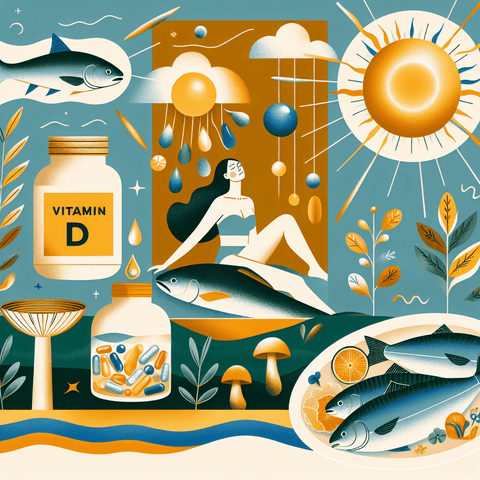
Las fuentes de vitamina D más habituales son la síntesis cutánea mediante la luz solar, algunos alimentos —como el pescado azul, los huevos y las setas expuestas a luz UV—, los productos fortificados y los suplementos. La cantidad que necesita cada persona depende de factores como la edad, la dieta, la estación y el estado de salud. Esta guía explica qué opciones existen y cómo utilizarlas con prudencia.
How to quickly raise your vitamin D levels? - Topvitamine
24 de October, 2025
Para aumentar los niveles de vitamina D, lo más recomendable es confirmar el estado mediante una analítica, revisar la alimentación y valorar vitamina D3 cuando sea necesario. La exposición solar depende de la estación, la latitud y el tipo de piel, y nunca debe buscarse a costa de quemaduras. Descubre cuánto puede tardar la recuperación, cómo elegir un suplemento y qué relación existe con el vértigo y la tiroides.

Sun exposure is part of daily life for most people, whether during outdoor work, exercise, travel or simple time in the garden. While sunshine is a natural part of the environment, it also brings ultraviolet (UV) radiation, which is why managing exposure thoughtfully is a common concern. This page offers a broad overview of the topic: what sun exposure involves, the main ways to protect your skin, safe habits for everyday life, and how sunshine connects to wider themes such as vitamin D. The articles listed under this tag explore each of these areas in more detail.

What Is Sun Exposure?

Sun exposure refers to the contact your skin and eyes have with sunlight, and more specifically with the UV radiation it contains. UV radiation is commonly grouped into types such as UVA and UVB, which differ in how they interact with the skin. Both the intensity of the sun and the length of time spent outside influence how much UV you receive. Factors such as the season, time of day, altitude, cloud cover and your location all play a role, which is why sun exposure is best understood as a variable rather than a fixed amount.

Because exposure varies so much from person to person and day to day, there is no single universal rule for how much sun is appropriate. Instead, most practical guidance focuses on combining several protective habits and adjusting them to the conditions.

Protecting Your Skin: SPF, Shade and Clothing

Sun protection usually works best as a layered approach rather than a single measure. The most widely used methods include sunscreen, shade and protective clothing, each covering a different aspect of exposure.

Sunscreen and SPF Basics

SPF stands for Sun Protection Factor. In theory, higher numbers indicate more protection relative to unprotected skin, though no sunscreen blocks UV completely. A broad-spectrum product helps address both UVA and UVB. As a general habit, apply sunscreen to all exposed skin about 15 minutes before going outside, and reapply every two hours, or more often after swimming, towelling off or heavy sweating.

Shade as a First Line of Defence

Shade plays a key role in managing time in the sun. Practical options include:

  • Choosing shaded routes for walks or runs.
  • Planning breaks under trees, canopies or shade sails.
  • Using umbrellas or portable shade at the beach or in the garden.

Even in shade, UV rays can reach the skin indirectly, so shade works best in combination with other protective measures, especially during peak sunlight hours.

Protective Clothing and Accessories

Clothing adds a physical layer of defence. Long sleeves and trousers made from tightly woven fabrics, a wide-brimmed hat and sunglasses with UV protection are simple, reusable choices. Some garments carry a UPF (Ultraviolet Protection Factor) rating, which indicates how much UV the fabric blocks. Light colours and breathable materials can make protective clothing more comfortable in warm weather.

Safe Sun Habits for Everyday Life

Consistency matters more than perfection when it comes to sun safety. Small, repeatable habits make protection easier to maintain across different situations.

  • Plan outdoor activities around the intensity of the sun, which is generally higher around the middle of the day.
  • Take regular breaks in the shade during longer periods outdoors.
  • Keep a small sunscreen or sun-protective item handy when you are out.
  • Reapply sunscreen as needed and adjust your plans if conditions become more intense.
  • Combine methods: sunscreen, shade, clothing and timing work best together.

Sun Exposure and Vitamin D

Sunshine is closely associated with vitamin D, sometimes called the sunshine vitamin, because the body can produce it when the skin is exposed to UVB light. Questions about how much sun exposure a day is reasonable, what short periods of sunshine do for the body, and how long it takes to support vitamin D production are among the most common in this topic.

The answer depends on many individual factors, including skin tone, geographic location, season, time of day and lifestyle, so there is no single timeframe that applies to everyone. Balancing vitamin D considerations with skin protection is a personal decision, and anyone with questions about their own situation may wish to speak with a healthcare professional. For readers interested in the nutritional side, our vitamin D collection offers more context on this nutrient, including sources and general safety information.

Exploring Sun Exposure Further

Sun exposure touches on skin care, seasonal habits, outdoor lifestyles and nutrition, which is why it is best explored through several focused angles rather than one single rule. The articles collected under this tag dig into specific questions, such as recognising signs of too much sun, understanding SPF choices and the relationship between sunshine and vitamin D. Use this page as your map of the topic, then follow the linked articles for the detail behind each area.