Evita los Suplementos Falsos: Cómo Verificar su Autenticidad
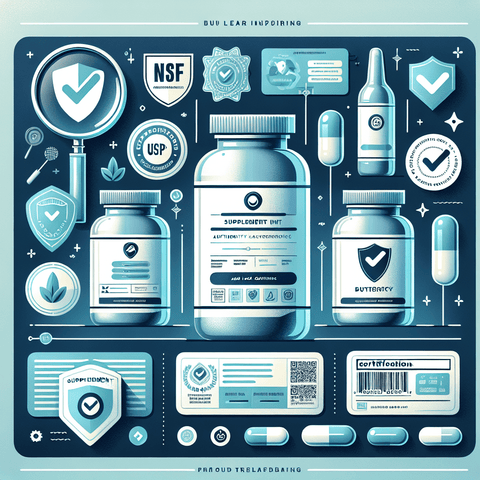

La autenticidad de los suplementos es importante para los consumidores que desean saber qué están comprando. La autenticidad del suplemento no se trata solo de la etiqueta frontal; se trata de verificar que cada elemento en el paquete coincida con lo que indica el fabricante y lo que se puede comprobar en otros lugares. Esta página cubre pasos simples: revisar las etiquetas, anotar los números de lote, revisar los Certificados de Análisis (COA), buscar sellos de Buenas Prácticas de Manufactura (GMP) y considerar la confianza en la marca. Al usar estas verificaciones, puedes reducir la probabilidad de encontrar productos falsificados. Comienza con la etiqueta en el frasco o sobre del producto. Busca el nombre exacto del producto y su forma, una lista completa de ingredientes, tamaño de la porción y cantidad neta. Verifica el nombre del fabricante y la información de contacto, número de lote o lote de fabricación, fecha de caducidad e instrucciones de almacenamiento. Inspecciona el embalaje en busca de sellos anticampamento, precisión en la ortografía, tipos de letra y calidad general de impresión. Si algún elemento parece inconsistente con la página oficial del producto, indícalo como una posible señal de alerta. Los números de lote vinculan una producción específica con sus documentos de prueba. Cuando sea posible, obtén el Certificado de Análisis (COA) de ese lote. Los COA deben provenir de un laboratorio externo acreditado o del propio fabricante y detallar ingredientes, potencia y resultados de pruebas de contaminantes. Verifica que el COA coincida con el producto, el número de lote y la fecha de caducidad. Si no puedes localizar un COA o si el COA carece de detalles clave, procede con precaución o elige una fuente diferente. Los sellos GMP indican cumplimiento con los estándares de fabricación; busca sellos de organismos reconocidos y asegúrate de que el sello esté actualizado. Investiga la reputación de la marca revisando sitios web oficiales, redes de distribuidores y programas de pruebas independientes. Prefiere productos de marcas que publiquen COAs, mantengan etiquetado transparente y participen en pruebas independientes. Por último, compara las listas en minoristas confiables y canales oficiales para confirmar que estás viendo la misma información del producto y del lote.


Unlocking the Truth About Supplement Label Claims and How to Spot Fake Products - Topvitamine
31 de August, 2025
Las etiquetas engañosas de suplementos pueden ocultar ingredientes, exagerar beneficios o presentar productos falsificados como auténticos. En esta guía encontrarás señales de alerta, pasos para revisar la lista de ingredientes, el lote, el precinto y el vendedor, además de ejemplos de fraude alimentario. También explicamos cuándo una afirmación puede ser ilegal y cómo documentar y comunicar una sospecha sin sustituir el asesoramiento legal o sanitario.
How to Spot and Avoid Counterfeit Supplements When Shopping Online - Topvitamine
29 de August, 2025
Los suplementos falsificados pueden presentar etiquetas alteradas, ingredientes incorrectos o contaminantes. Esta guía explica cómo reconocer señales de alerta, comprobar el envase y el número de lote, evaluar una tienda online y actuar si sospechas que un producto no es auténtico. También aclara qué vitaminas pueden causar toxicidad en exceso y por qué conviene consultar a un profesional antes de usar suplementos.
How to Spot a Fake or Counterfeit Supplement and Protect Your Health - Topvitamine
29 de August, 2025
Cómo detectar suplementos falsos requiere revisar el vendedor, el precio, el envase, el número de lote, la fecha de caducidad y la información del fabricante. En esta guía encontrarás señales de alerta, formas de comprobar si un suplemento es legítimo y qué hacer si ya lo has tomado. También explicamos el valor real de las certificaciones y cómo elegir una tienda fiable sin confundir marketing con garantía de calidad.
How Do I Avoid Counterfeit Supplements and Spot Fakes Online and In-Store - Topvitamine
28 de August, 2025
Los suplementos falsificados pueden estar mal etiquetados, contener dosis incorrectas, estar caducados o incluir sustancias no declaradas. Esta guía explica cómo detectar señales de alerta en el envase y en las compras online, verificar al vendedor, interpretar la etiqueta y actuar si sospechas que un producto no es auténtico. También responde a dudas sobre Amazon, las estafas dirigidas a personas mayores y la elección de un vendedor fiable.
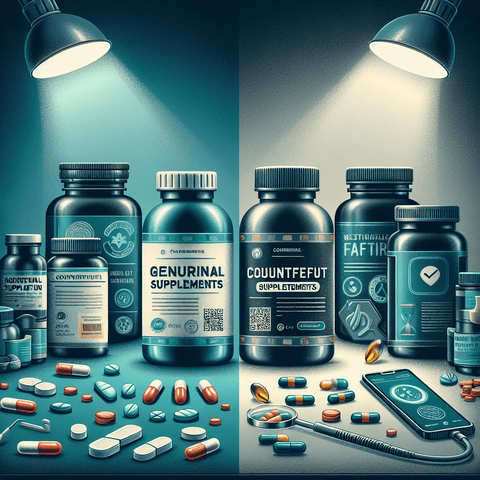
How to Identify Counterfeit Supplements and Protect Your Health - Topvitamine
28 de August, 2025
Saber cómo identificar suplementos falsificados ayuda a evitar productos manipulados, mal etiquetados o con ingredientes no declarados. Esta guía explica qué revisar en el envase, el sello de seguridad, el número de lote, la fecha de caducidad, el vendedor y los códigos QR. También aclara cómo valorar la reputación de una marca, qué hacer con productos sospechosos y cuándo consultar a un profesional sanitario.

How to Spot Fake or Counterfeit Supplements and Protect Your Health - Topvitamine
28 de August, 2025
Saber cómo detectar suplementos falsos ayuda a reducir el riesgo de comprar productos mal etiquetados, manipulados o de origen dudoso. En esta guía encontrarás señales de alerta en el envase, formas de comprobar el lote y el vendedor, información sobre certificaciones y recomendaciones para verificar una proteína u otro suplemento antes de consumirlo. También aclaramos qué evidencia buscar y por qué no existe una lista universal de los mejores suplementos.

Supplement authenticity is a critical concern for anyone looking to support their health with vitamins, minerals, or other dietary products. With a growing market, the risk of encountering counterfeit, substandard, or mislabeled products has also increased. This guide provides a clear, practical framework for verifying the authenticity of your supplements. We will cover the essential checks, from reading labels correctly to understanding third-party testing and certifications, so you can make more informed and confident purchasing decisions.

Understanding Supplement Authenticity

Supplement authenticity is about confirming that the product in your hand is the same as what the manufacturer originally produced and intended for sale. A truly authentic product should be consistent in its formulation, labeling, and packaging. It must match the official product listings provided by the brand across their website and authorized retailers. When a product deviates from this standard, it raises a red flag. The goal of verifying authenticity is to ensure you are consuming a product that contains exactly what is stated on the label, in the correct amounts, from a reliable source.

Why Verifying Authenticity Matters

The primary reason for verifying supplement authenticity is safety. Counterfeit supplements are not regulated and may contain dangerous hidden ingredients, the wrong dosage of a nutrient, or toxic substances like heavy metals. Beyond safety, authenticity is about efficacy. If you are taking a supplement to address a specific nutrient gap, you need to be confident that the product contains the declared amount of the active ingredient. An authentic product from a reputable manufacturer provides this confidence, ensuring your money and effort are not wasted on an ineffective or potentially harmful counterfeit.

How to Spot Red Flags and Verify Authenticity

There are several key areas to examine when you are trying to determine if a supplement is genuine. These checks range from a physical inspection of the packaging to researching the brand's testing practices. By using a combination of these methods, you can significantly reduce the risk of buying a counterfeit product.

1. Visual Inspection of the Label and Packaging

Your first line of defense is a careful visual inspection. Look at the label and packaging closely for signs of tampering or low-quality printing. A genuine product typically has clear, sharp text and professional-looking packaging.

  • Check for spelling errors and inconsistent fonts.
  • Ensure the tamper-evident seal is intact.
  • Verify the print quality on the bottle and box is high definition.
  • Compare the product name, form, and net quantity against the official brand website.

While a high-quality counterfeit could still pass this test, you should treat any visual inconsistencies as a potential red flag and investigate further.

2. Using Batch Numbers and Certificates of Analysis (COAs)

A batch or lot number is a crucial tool for verifying authenticity. It connects a specific production run to its testing records. You can use this number to request a Certificate of Analysis (COA), which is a document from a laboratory that confirms the product's contents.

  1. Locate the batch or lot number printed on the product label.
  2. Search for a COA on the manufacturer's website or request one directly from them.
  3. Verify that the COA details, including the product name, batch number, and testing results, match the product you have in hand.

If a manufacturer is unable or unwilling to provide a COA for the specific batch, it is a strong signal that the product may not be authentic, or the brand may lack proper quality controls.

3. Checking for Third-Party Certifications and GMP Seals

Good Manufacturing Practices (GMP) seals and third-party certifications indicate that a facility adheres to specific quality standards. While the GMP seal signifies the manufacturer follows regulatory guidelines for production, third-party certifications like NSF or USP provide an extra layer of verification.

Look for these seals on the packaging, but always check that the seal is current and awarded to the specific product you are considering. A seal from a recognized testing organization is a strong indicator that the product has been independently checked for quality and purity.

Researching Brand Trustworthiness

A company's reputation is often a reflection of its commitment to quality and transparency. The most trustworthy supplement companies are typically open about their manufacturing processes, ingredient sourcing, and testing procedures.

  • Explore the brand's official website for detailed product information and educational resources.
  • Look for brands that routinely publish Certificates of Analysis (COAs) for their products.
  • Check if they participate in independent, third-party testing programs.
  • Compare their product listings across authorized retailers and their official channels for consistency in pricing and information.

If a brand is vague about its sourcing or does not provide access to test results, you may want to be cautious. We encourage you to explore our healthy origins supplements category, which focuses on brands that often prioritize transparent sourcing and quality control.

The Role of the Retailer in Authenticity

The retailer you purchase from also plays a significant role in supplement authenticity. Buying from authorized distributors or directly from the manufacturer's official website is the safest approach. These sources have a direct relationship with the brand and are less likely to sell counterfeit goods. Be wary of deep discounts on platforms that are not authorized sellers, as this can be a sign that the product has been tampered with or is not genuine.

Exploring the Wider Supplement Landscape

Understanding authenticity is the first step in making wise supplement choices. To build a complete routine, it is helpful to learn about different categories of nutrients and how they support your overall health. You might find our guides on natural supplements or specific nutrients like Vitamin D helpful as you continue your research.

Building Your Verification Routine

Confirming a product's authenticity does not need to be complicated. By integrating these checks into your routine, you can shop with greater confidence. Before you purchase a supplement, take a moment to consider its source and whether you can verify its claims. By being a diligent consumer, you can significantly reduce the risk of buying counterfeit products and ensure you are truly getting what you pay for. This general information is for educational purposes and should not replace professional medical advice.