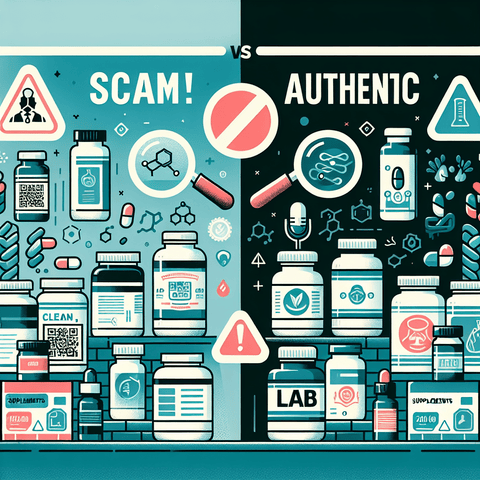
Advertencia sobre fraudes en suplementos: 7 señales de alarma para detectar vitaminas falsas antes de comprarlas


Advertencia sobre fraude en suplementos: El mercado de vitaminas y otros suplementos está lleno de productos que pueden no cumplir con lo que dicen en sus etiquetas. Esta advertencia busca ayudar a los compradores a detectar señales de alerta antes de comprar. Hay siete indicadores claros de que un producto vitamínico puede ser falso o dudoso. Si aprendes estas verificaciones rápidas, podrás proteger tu dinero y evitar riesgos innecesarios hoy mismo. Las señales de alerta 1 a 3 incluyen: listas de ingredientes ausentes o vagas, o ingredientes que no coinciden con lo que aparece en la etiqueta; envases con errores tipográficos, fuentes inconsistentes o gráficos mal alineados; y un precio que parece demasiado bueno para ser verdad o una oferta que genera urgencia más que información del producto. Estas señales no prueban que sea un fraude por sí mismas, pero son indicios comunes que requieren una revisión más cuidadosa antes de realizar la compra. Las señales de alerta 4 a 6 cubren la falta de información confiable sobre la fabricación, como no incluir dirección o datos de contacto de la empresa; no tener logotipos de pruebas o certificaciones de terceros en el empaque o en el sitio web; y afirmaciones sensacionalistas o no verificables, especialmente si prometen resultados inmediatos o hacen afirmaciones exageradas. Desconfía de productos que no puedan ser verificados por terceros o rastreados hasta un fabricante legítimo. La señal de alerta 7 y las verificaciones rápidas incluyen la ausencia de número de lote o fecha de caducidad, o fechas que no se puedan leer, lo cual es otra señal de advertencia. Verificaciones prácticas rápidas son comparar el empaque con el sitio oficial, confirmar que el producto esté listado por el fabricante, buscar logotipos de verificación de terceros (como USP o NSF), verificar la información de contacto del vendedor, y revisar si hay retiradas o alertas de seguridad por parte de los reguladores. Si algo no encaja, es recomendable detener la compra y buscar información adicional en fuentes confiables.


What are the warning signs of a supplement scam you should never ignore - Topvitamine
29 de August, 2025
Una estafa de suplementos puede ocultarse tras promesas milagrosas, reseñas manipuladas, etiquetas confusas o vendedores no verificados. En esta guía aprenderás a revisar las afirmaciones de salud, la composición, el envase, el precio y la reputación del vendedor antes de comprar. También encontrarás criterios prudentes para comparar marcas de vitaminas y suplementos alimenticios, además de pasos que seguir si sospechas que un producto no es auténtico.
Are Red Flags of a Scam Supplement Product Putting Your Health at Risk? Here's How to Spot Them - Topvitamine
27 de August, 2025
Aprender cómo identificar suplementos falsos ayuda a reducir el riesgo de comprar productos mal etiquetados, contaminados o con ingredientes no declarados. Esta guía explica las principales señales de alerta: promesas exageradas, etiquetas incompletas, vendedores anónimos, envases inusuales y falta de trazabilidad. También indica cómo comprobar un producto, qué hacer si ya lo has consumido y cuándo consultar a un profesional sanitario.

The dietary supplement marketplace is vast, offering everything from essential vitamins to complex herbal blends. However, this popularity also attracts sellers who may not follow good manufacturing practices. This supplement fraud warning serves as a practical guide to help you spot fake vitamins and other dubious products before you commit to a purchase. By understanding the landscape of supplement fraud, you can protect both your health and your wallet.

On this page, we explain what supplement fraud is, outline the most common warning signs to watch for, and provide clear steps you can take to verify a product's authenticity. We'll also guide you through the broader topic, helping you understand the companies and practices that contribute to a safer supplement market.

Understanding Supplement Fraud

Supplement fraud generally involves misrepresenting a product's ingredients, potency, or origin. This can mean selling a product that contains fewer active ingredients than claimed, substituting a cheap filler for a costly nutrient, or even including undeclared pharmaceutical substances. In some cases, the entire product may be counterfeit, designed to imitate a legitimate brand.

The reasons behind this fraud are often economic; it can be more profitable to sell a diluted or fake product than to manufacture a genuine one. The consequences for consumers, however, are significant. Not only may you waste money on an ineffective product, but you could also expose yourself to ingredients that are not listed on the label. These can be allergens, contaminants, or other substances that pose a health risk. Being aware of these basics is the first line of defense.

7 Red Flags to Spot Fake Vitamins

Learning to identify potential warning signs is a crucial skill for any supplement buyer. The following seven red flags are common indicators that a product may be fraudulent or of questionable quality. While no single sign is definitive proof of fraud, encountering one or more of these should prompt you to investigate further before making a purchase.

1. Missing or Vague Ingredient Information

A legitimate supplement will clearly list all its active and inactive ingredients, along with the amount of each in a serving. Be wary of products that use vague terms like "proprietary blend" without disclosing the specific amounts, or that omit a full ingredient list altogether. If the label does not clearly state what is in the product, you cannot verify what you are actually consuming.

2. Poor Packaging and Label Quality

The packaging of a supplement can sometimes tell you a lot about its quality. Look out for typos, inconsistent fonts, blurry printing, or misaligned graphics. Established brands invest in professional packaging design, so a sloppy label can be a sign that a product is counterfeit or produced by a less reputable company.

3. Unbelievably Low Prices and High-Pressure Deals

If the price of a supplement seems too good to be true, it often is. Quality ingredients and manufacturing processes cost money, and a deeply discounted price may indicate that corners were cut. Beware of sellers who push urgency over product details, using tactics like "limited-time offers" to pressure you into a quick decision without giving you time to research the product or the company.

4. Lack of Transparent Manufacturing Information

A trustworthy supplement company will provide clear contact information, including a physical address and customer service channels. If you cannot find this information on the packaging or the website, treat it as a serious red flag. A legitimate manufacturer typically stands behind its product and makes it easy for consumers to get in touch.

5. Absence of Third-Party Testing Seals

Many reputable brands subject their products to independent testing by organizations like USP, NSF, or ConsumerLab.com. These third-party seals on a label or website indicate that an unbiased organization has verified the product's content. The absence of these seals is not necessarily a sign of fraud, but their presence provides a significant layer of confidence and traceability.

6. Sensational or Unverifiable Claims

Legitimate supplements do not promise to cure, treat, or prevent any disease. Be extremely cautious of any product that makes sweeping claims of "miracle" results, "instant" weight loss, or other dramatic health benefits. These claims are not only a sign of poor credibility but may also be in violation of advertising regulations. If a claim sounds too amazing to be true, it likely is.

7. Missing Batch Numbers and Expiration Dates

Every legitimate supplement should have a batch or lot number and an expiration date printed on the packaging. This information is essential for traceability and quality control. A product that lacks these details, or has a date that is illegible or obviously printed over, may not have been manufactured under proper oversight. This makes it impossible to track the product if a problem is discovered later.

Which Supplement Brands Should You Avoid?

It is difficult to create a universal "avoid list" because supplement brands can enter and leave the market, and product quality can change over time. Instead of relying on a static list, a more effective approach is to identify the characteristics of brands that are frequently problematic. Generally, you should be cautious of companies that display one or more of the red flags discussed earlier. This includes a lack of transparency about ingredients or sourcing, a history of FDA warnings, or an unwillingness to provide customer support.

The most trustworthy supplement companies are those that are transparent about their supply chain, voluntarily submit their products for third-party testing, and clearly communicate their quality control processes. Before buying from a new brand, take a few minutes to research their reputation. When in doubt, opting for well-established companies with a long track record of safety and quality can significantly reduce your risk of encountering fraud.

How to Verify a Supplement Before Buying

Rather than just relying on gut feeling, you can take proactive steps to verify a supplement's authenticity. These checks are simple, quick, and can save you from a bad purchase.

  • Check for recalls and safety alerts: Visit the FDA's website to search for any recalls or warnings associated with the specific product or brand.
  • Research third-party certifications: Look for logos from organizations like USP, NSF, or Informed Choice, which indicate that the product has been independently reviewed.
  • Contact the manufacturer: A quick call or email to the company's customer service can give you a sense of their legitimacy and willingness to engage.
  • Inspect the label: Look for all the elements discussed earlier, including a clear ingredient list, a batch number, an expiration date, and a contact address.

The Importance of Trustworthy Supplement Companies

The supplement industry relies heavily on consumer trust. When you choose a product from a transparent and reputable manufacturer, you are not only investing in your own health but also supporting companies that prioritize quality over shortcuts. These companies invest in research, use high-quality ingredients, and adhere strictly to Good Manufacturing Practices (GMP). This commitment is exactly what helps protect you from the economic and health impacts of supplement fraud.

When you are ready to make a purchase, you may find it useful to explore healthy-origin supplements that emphasize quality sourcing, or review our guides on different product types like multivitamins to see what ingredients and transparency to expect from a reputable label. Making informed choices is simpler when you have reliable information.

Exploring Further: Your Path to Safe Supplement Shopping

This overview of supplement fraud has provided a foundational understanding of the issue and the red flags to watch out for. The broader topic of supplement safety includes many other important dimensions, from understanding how products are regulated to learning about specific ingredients. As you continue your research, you can look into more specific areas such as the history of FDA warnings against certain companies, the difference between certifications like USP and NSF, or how to identify counterfeit products on online marketplaces.

Remember, a safe supplement purchase is one where you feel confident about the product's contents and the company's integrity. If you are looking for inspiration on categories known for quality, you might want to browse our selection of natural supplements to see examples of how reputable companies present their products. Always prioritize your safety by putting the knowledge from this guide into practice with every purchase.