
Observar posibles manipulaciones en la etiqueta de un suplemento es algo que todo comprador debe considerar antes de comprar. Aprender a verificar la autenticidad con revisiones sencillas puede reducir el riesgo de recibir un producto mal etiquetado o falsificado. Esta página se centra en signos prácticos a buscar, señales de alarma a tener en cuenta y pasos que puedes seguir para proteger tu experiencia de compra. La palabra clave aquí es manipulación de la etiqueta del suplemento, que cubre cualquier inconsistencia entre lo que aparece en la etiquetado y lo que hay dentro del paquete. Las señales comunes de manipulación en la etiqueta del suplemento incluyen información que no coincide entre el envase y el producto interior, impresiones borrosas o desvanecidas, y sellos a prueba de manipulaciones que parecen rotos o ausentes. Busca errores ortográficos, tachaduras o fuentes inconsistentes que no coincidan con el estilo habitual de la marca. Verifica el número de lote o de producción y la fecha de caducidad; si faltan, son ilegibles o no concuerdan con el envase, eso es una señal de advertencia. Además, pegatinas alteradas, etiquetas de precio o códigos de barras falsificados pueden indicar manipulación. Ten cuidado si el envase muestra doble etiquetado, etiquetas demasiado presionadas o daños alrededor del sello. Para verificar la autenticidad antes de comprar, compara la etiqueta del producto con el sitio oficial de la marca o listados de minoristas confiables. Inspecciona la integridad del sello y del forro del tapón; un sello roto o un envase vuelto a sellar requiere precaución. Usa cualquier código de verificación o códigos QR proporcionados por el fabricante para confirmar la legitimidad, y coteja el número de lote con la compañía si es posible. Examina el envase en busca de marcas regulatorias que se ajusten a tu región y asegúrate de que los materiales del embalaje sean sólidos y legítimos en comparación con ejemplos conocidos. Cuando tengas dudas, compra en minoristas de buena reputación que tengan políticas de devolución claras y un contacto visible con la marca. Conserva el envase y los recibos; si sospechas de manipulación en la etiqueta, no continúes con la compra y reporta la inquietud al minorista o a la marca. Documenta cualquier irregularidad con fotos y notas para que tengas un registro en caso de que necesites solicitar una verificación o un reembolso. Siguiendo estos pasos de precaución, podrás reducir el riesgo de recibir un producto manipulado y tomar una decisión informada antes de comprar.
Verificación de Manipulación en la Etiqueta del Suplemento: Verifique la Autenticidad
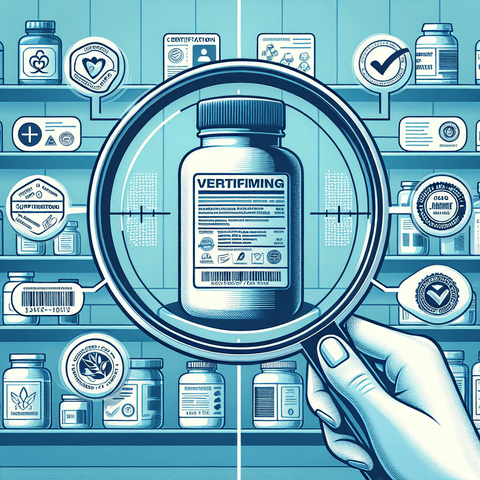
Supplement label tampering is a serious concern for anyone who takes dietary supplements. It involves any unauthorized change to a product's label, packaging, or contents after it has left the manufacturer's control. Such alterations can range from simply changing a 'best by' date to completely replacing the product inside the bottle with a counterfeit substance. Understanding how to spot the signs of tampering is essential for protecting your health and ensuring you get exactly what you pay for.
This page provides a comprehensive overview of supplement label tampering, including what it is, why it happens, how to identify potential red flags, and practical steps you can take to verify the authenticity of your supplements. It also covers the regulatory framework designed to protect consumers and outlines what to do if you suspect a product has been tampered with. By the end, you'll be equipped with the knowledge to make safer, more informed supplement choices.
Understanding Supplement Label Tampering
Supplement label tampering can take many forms, but the core issue is always the same: the information on the label or the condition of the product does not reflect the manufacturer's original output. This can happen at any point in the supply chain—during manufacturing, in transit, at a warehouse, on a retail shelf, or even after a product has been purchased and returned to a store.
While tampering is relatively rare, it represents a significant risk because it bypasses all the quality control measures that legitimate manufacturers put in place. A tampered product may contain the wrong ingredients, incorrect dosages, or harmful contaminants. It may also lack the active ingredients entirely, making it ineffective. In some cases, tampering is carried out by criminal organizations looking to sell counterfeit goods; in others, it may be an opportunistic act by an individual.
The consequences of consuming a tampered supplement can range from mild discomfort to serious health complications. Because you can't always see or taste if a product has been altered, learning to rely on visual inspection and verification techniques is crucial. Developing a critical eye for packaging details is one of the most effective defenses you have.
Why Tampering Happens
Understanding the motivations behind supplement label tampering can help you grasp where the risks are greatest. There are several primary reasons why such tampering occurs:
- Financial Gain: Counterfeiters alter labels or package cheap or ineffective ingredients to look like premium products, which they then sell at higher prices.
- Undisclosed Ingredients: Some tamperers add unauthorized substances, such as prescription drugs or stimulants, to make a product appear more effective, often without any scientific backing or safety testing.
- Extending Shelf Life: Unscrupulous individuals may change expiration dates on products to make them appear fresher than they are, which can be dangerous if the product has degraded.
- Sabotage or Extortion: In rare cases, individuals may tamper with products to create a public scare or to extort money from a manufacturer.
Regardless of the motive, the result is the same: a consumer is exposed to a product that does not match its stated label, posing potential health risks. The best protection is to be vigilant about where you buy supplements and how you inspect them.
Key Red Flags of Tampering
Spotting a tampered supplement often comes down to paying close attention to details. While no single indicator is definitive, the presence of several red flags should raise your suspicion. Here are the most common signs to look for:
Packaging Damage
Inspect the outer packaging for any signs of damage or tampering. This includes:
- A broken or missing tamper-evident seal on the bottle cap.
- Tears, rips, or punctures in the outer cardboard box.
- Signs of re-sealing, such as glue residue, a poorly fitted cap, or a shrink-wrap that looks loose or has been re-applied.
- Dents, bulges, or other irregularities in the bottle itself.
Label Irregularities
Examine the label closely for anything that looks off. Pay attention to:
- Misspellings, typographical errors, or grammatical mistakes.
- Blurry, faded, or inconsistent printing.
- A label that appears to be crooked, wrinkled, or cut incorrectly.
- Fonts or colors that don't match the brand's usual style.
- A label that has been covered with another label or has a sticker placed over part of the original text.
Missing or Altered Identification Numbers
Legitimate supplements typically have both a lot or batch number and an expiration date. These should be clearly printed on the label or bottle. Be wary if:
- The lot number is missing, scratched out, or appears to have been altered.
- The expiration date is smudged, unclear, or has been changed with a different pen or print method.
- The numbers on the label don't match the numbers embossed on the bottle itself, which is a common quality control measure.
How to Verify Supplement Authenticity
If a product passes your initial visual inspection, there are additional steps you can take to verify its authenticity before you start using it. These methods don't need to be time-consuming, but they add a valuable layer of protection.
Check Manufacturer Codes and QR Codes
Many reputable supplement manufacturers now include a QR code or a unique batch code on their labels. Scanning the QR code with your smartphone should take you to a page on the manufacturer's official website where you can verify the product's authenticity. Similarly, you can often enter the batch or lot number on the manufacturer's website to confirm that it is a valid, non-recalled batch.
Compare with Official Product Images
Before purchasing a supplement, visit the brand's official website or reputable online retailers to compare the product you're holding with official images. Pay attention to details like overall packaging design, label placement, font, logo, and bottle shape. A product that looks noticeably different from the official version should be treated with suspicion. Legitimate brands invest heavily in consistent packaging, so major deviations are a strong signal of a counterfeit or tampered product.
Assess the Product Contents (When Safe)
Once you've opened the product (ensuring the seal was intact when you first opened it), you can check for obvious signs of tampering. Look for:
- An unusual odor that differs from what you'd expect for the product.
- Capsules or tablets that are chipped, crushed, or discolored.
- Powder that is clumped, has an unusual texture, or contains foreign particles.
- An inner foil seal that is missing, loosened, or shows signs of having been punctured and re-sealed.
Regulatory Oversight and FDA Labeling Requirements
In the United States, the Food and Drug Administration (FDA) regulates dietary supplements under the Dietary Supplement Health and Education Act of 1994 (DSHEA). However, the regulatory framework for supplements is different from that for conventional drugs. Under DSHEA, manufacturers are responsible for ensuring their products are safe and that label claims are truthful and not misleading before they go to market.
The FDA requires that the label of a dietary supplement include a 'Supplement Facts' panel. This panel must list the serving size, the amount of each ingredient per serving, and the % Daily Value (%DV) where established. It must also clearly identify the product as a 'dietary supplement.' Although the FDA sets good manufacturing practices (GMPs) to ensure quality, the agency does not approve supplements for safety or effectiveness before they are sold. The FDA's role is primarily post-market, meaning it can take action against unsafe or mislabeled products after they reach the market.
In the European Union, the European Food Safety Authority (EFSA) plays a similar role, setting maximum permitted levels for vitamins and minerals and approving health claims. The rules are generally stricter than in the US, but the principle remains the same: the burden of responsibility ultimately falls on the consumer to be discerning. Understanding what should be on a label, as mandated by regulations, helps you spot products that are missing required information or making claims they are not legally permitted to make.
Practical Tips for Safe Supplement Shopping
Adopting a few safe shopping habits can significantly reduce your risk of encountering a tampered supplement. These practices are simple to integrate into your routine.
Choose Reputable Retailers
One of the most effective ways to avoid tampered products is to purchase your supplements from trusted sources. This includes established pharmacies, well-known health food stores, and the brand's official website, either directly or through their approved online partners. Avoid buying supplements from third-party marketplaces, auction sites, or discount retailers where the supply chain is less transparent and the risk of receiving counterfeit or tampered goods is significantly higher.
Be Wary of Deals That Seem Too Good to Be True
If you see a supplement being sold at a deep discount, especially for a popular brand, be cautious. This can indicate that the product is expired, counterfeit, or has been diverted from the legitimate supply chain. While legitimate sales do happen, a sustained price that is far below the standard retail price is a major red flag. It often costs criminals more to produce a convincing fake than the price being charged, so an extremely low price often means corners have been cut somewhere.
Inspect Every Time, Not Just the First Time
Make it a habit to inspect your supplements every time you purchase them, even if you've bought the same product from the same store dozens of times before. Tampering can happen at any point, and a product that was safe last month might be compromised this month. Also, be wary of buying supplements from bins where items are sold as 'open box' or 'damaged package' for a discount. These products have a much higher risk of having been subjected to tampering.
What to Do If You Suspect Tampering
If you believe a supplement you have purchased is tampered with, do not consume it. Here’s a step-by-step guide on what to do:
- Stop using or opening the product immediately to preserve evidence.
- Photograph the product, its label, the lot number, expiration date, and the packaging for your records.
- Contact the retailer from whom you purchased the product. Explain your concerns and provide your photos and receipt.
- Contact the manufacturer directly using the contact information on their official website. They may have additional verification processes and will want to know about any suspected tampering with their products.
- If you have already consumed the product and experience any adverse effects, seek medical attention promptly. You should also report the incident to your local health authority or the FDA's MedWatch program (in the US) to help prevent others from being affected.
Taking these steps not only protects your health but also helps authorities track and remove dangerous products from the market.
General Considerations for Different Supplement Types
The general principles of spotting tampering apply across all types of supplements, but specific product categories may have their own nuances. For example:
- Vitamins and Minerals: Look for the 'Supplement Facts' panel and ensure the %DV for each nutrient is listed where one has been established. Be wary of products claiming to contain megadoses that seem implausibly high.
- Herbal and Botanical Supplements: Be especially cautious with these, as it can be difficult to verify the plant species used or the potency of the extract. Look for standardized extracts, which guarantee a certain level of the active compound. The quality of herbal supplements can vary significantly between brands.
- Performance and Bodybuilding Supplements: This category has historically been a target for counterfeiters who often add undisclosed stimulants or banned substances to mimic the effects of more expensive ingredients. Buy only from very reputable sources and consider checking the product against the brand's list of approved retailers. You might also consider products that carry third-party certification for banned substances.
Always research the specific supplement type you're considering. For a deeper understanding of a particular nutrient and its verification, explore our guides on specific categories like vitamin D or magnesium, where we discuss what to look for on labels.
Exploring the Topic Further
This page serves as a broad introduction to supplement label tampering. The topic connects to several other important areas, including quality control in manufacturing, the role of third-party testing, and the specific regulations governing different types of ingredients. For example, understanding how to read a 'Supplement Facts' label is a foundational skill that goes hand-in-hand with spotting tampering, as it helps you understand what information should be present and how it should be presented.
Related concerns include the prevalence of counterfeit dietary supplements online, the importance of reporting adverse events, and how to distinguish between legitimate health claims and those that are misleading. By familiarizing yourself with the broader landscape, you can become a more confident and discerning consumer. For information on other supplement categories and how to choose them wisely, you can refer to our multivitamins guide which outlines key considerations for choosing a multi-nutrient product.
Ultimately, the key takeaway is to remain vigilant. A few minutes of careful inspection before taking any supplement can protect you from the risks associated with tampering and ensure that you're getting a genuine, high-quality product. Always prioritize products that are purchased from transparent, reputable sources.