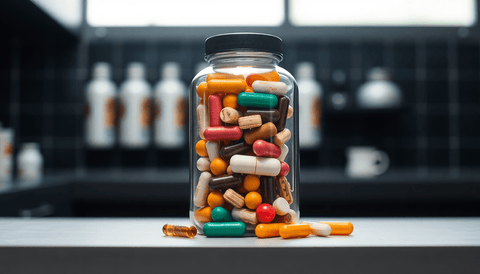
What Is Supplement Stacking? A Clear Definition for Beginners
Supplement stacking refers to the practice of combining two or more dietary supplements into a single daily protocol, with the intention of achieving specific health or performance outcomes. Rather than taking a single multivitamin or isolated nutrient, stacking involves strategically pairing vitamins, minerals, herbs, amino acids, or other compounds that are believed to work synergistically. The concept borrows from sports nutrition, where athletes have long combined compounds like creatine, caffeine, and protein to address multiple aspects of training adaptation simultaneously. However, in recent years, the practice has expanded well beyond the gym, with people stacking nutrients to support cognitive focus, sleep quality, immune resilience, and metabolic health. The essential idea is that a carefully selected combination can produce a more comprehensive physiological effect than any single ingredient alone.
Why "Supplement Stacking" Is a Popular Search Term in Fitness and Wellness
The search volume for supplement stacking has grown steadily alongside the broader wellness movement. People are no longer satisfied with generic one-a-day multivitamins; they want targeted, personalized protocols that address their specific lifestyle demands. Whether the goal is sustained mental energy during long workdays, better recovery from endurance training, or simply filling nutritional gaps in a plant-based diet, stacking offers a framework for organizing multiple nutrients into a deliberate routine. Social media and fitness forums have also fueled interest, though they often present anecdotal recommendations alongside genuine scientific insights. This makes it all the more important for consumers to separate evidence-based combinations from trendy or untested pairings.
The Difference Between Strategic Stacking and Random Supplement Mixing
Strategic stacking is fundamentally different from randomly mixing several supplements together. A thoughtful stack is designed with intention: each component has a defined role, dosages are chosen deliberately, and potential interactions are considered in advance. For example, pairing iron with vitamin C is strategic because the vitamin C enhances non-heme iron absorption. Random mixing, by contrast, might involve taking several supplements without considering how they affect each other's absorption or metabolism. This can lead to reduced effectiveness or, in worse cases, nutrient imbalances. Strategic stacking also respects the principle of food first, treating supplements as complementary tools rather than replacements for a varied diet.
Why People Stack Supplements: The Real-World Benefits and Goals
The motivations behind supplement stacking are as diverse as the individuals who practice it. Some people seek to optimize physical performance, others want to sharpen cognitive function, and many simply aim to support general health during demanding life phases. By combining nutrients that target different physiological pathways, a stack can address multiple pillars of health concurrently, which often feels more efficient than taking separate supplements at scattered times throughout the day.
Synergy: How Certain Combinations Work Better Together
One of the most compelling reasons to stack supplements is the concept of synergy, where two compounds together produce a greater effect than either could achieve alone. This is not about megadosing; it is about cooperation at the biochemical level. For instance, vitamin D enhances calcium absorption, but vitamin K2 helps direct that calcium into bones rather than soft tissues. Similarly, magnesium acts as a cofactor for vitamin D activation, meaning vitamin D supplementation may be less effective if magnesium status is poor. These nutrient interdependencies illustrate why a well-designed stack can sometimes be more effective than isolated supplementation.
Convenience and Routine: Organizing Multiple Nutrients into a Daily Protocol
Beyond biological synergy, stacking offers an undeniable practical advantage: organization. Consolidating several supplements into a structured morning and evening routine simplifies adherence. Many pre-made stack complexes bundle nutrients into convenient packets or daily pouches, eliminating the need to manage multiple bottles. For people with busy schedules, this convenience often translates into greater consistency, which is ultimately what determines whether a supplement protocol yields noticeable results. A structured routine also makes it easier to track what you are taking, when, andat what dose, all of which contribute to more informed decisions over time.
Addressing Multiple Pillars of Health (Energy, Recovery, Immunity, and Focus) Simultaneously
Modern life rarely demands just one type of physiological output. A working professional might need sustained focus in the morning, stress resilience throughout the day, and quality sleep at night. An athlete might prioritize joint comfort, muscle repair, and inflammation control. Supplement stacking allows individuals to build a protocol that acknowledges these overlapping demands. For example, a morning stack might include B-vitamins for energy metabolism, alongside L-theanine and caffeine for calm focus. An evening stack could feature magnesium glycinate for relaxation and zinc for immune support. This multi-targeted approach reflects thereal complexity of human health, where energy, recovery, immunity, and cognition do not operate in isolation.
Understanding the Core Principles of a Safe Supplement Stack
Safety should always precede optimization when building a supplement stack. Before adding anything new to your routine, it is crucial to understand a few fundamental principles that minimize risk and maximize the likelihood of benefit. These principles help you avoid common pitfalls like nutrient overdosing, unintended interactions, orb wasted money on poorly absorbed forms.
The "One at a Time" Rule: How to Introduce New Supplements Safely
If you are new to a particular supplement or combination, introduce one new ingredient at a time. Maintain that single addition for at least three to five days while monitoring for any digestive discomfort, headaches, skin changes, or shifts in energy. This approach allows you to identify which specific compound is responsible for any effect, whether positive or negative. If you introduce three new supplements simultaneously and experience adverse symptoms, you will not know which one caused the problem. Patience during the introduction phase prevents confusion and supports a more controlled, evidence-informed approach to your stack.
Establishing a Baseline: Knowing Your Diet and Lifestyle First
Before building a stack, take an honest inventory of your typical dietary intake. Are you eating a wide variety of colorful vegetables, quality proteins, healthy fats, and fiber-rich carbohydrates? Or does your diet heavily rely on processed convenience foods? Supplements are designed to fill gaps, not compensate for consistently poor nutrition. A food-first approach ensures your foundation is solid; if your diet lacks variety, address that first before assuming supplements are the solution. Tracking your food intake for even a few days using an app can reveal surprising gaps in micronutrient intake, providing a more reliable starting point than generic guesswork.
The Importance of Cycling and Dosing Intervals in a Stack
Some supplements are best taken consistently, while others may benefit from cycling, which means taking them for a defined period followed by a break. Cycling is most relevant for certain herbs or adaptogens that may lose effectiveness over time, birthing tolerance concerns. For most vitamins and minerals, however, consistency matters more than cycling. Dosing intervals also play a role: fat-soluble vitamins are best absorbed with meals containing fat, while certain minerals compete for absorption and may be better taken at separate times of day. For example, calcium can interfere with iron absorption, so spacing these minerals apart is generally advised.
Who Actually Needs a Supplement Stack? Individual Variability and Risk Factors
The honest answer to whether you need a supplement stack is: it depends. Nutritional status varies enormously from person to person, influenced by genetics, age, digestive health, medication use, and lifestyle demands. Some people thrive on a well-rounded diet alone; others, due to specific circumstances, may genuinely benefit from targeted supplementation.
How Age, Genetics, and Digestive Absorption Change Nutrient Requirements
Aging affects nutrient absorption in multiple ways. Stomach acid production tends to decline, reducing the absorption of vitamin B12, iron, and calcium. Older adults also synthesize less vitamin D from sunlight exposure, increasing reliance on dietary or supplemental sources. Genetic variations can further influence nutrient metabolism; for instance, variants in the MTHFR gene affect folate processing, though routine supplementation decisions rarely require genetic testing. Digestive conditions like celiac disease, Crohn’s disease, orb gastric bypass surgery can substantially impair nutrient absorption, making targeted supplementation medically appropriate in ways that do not apply to the general population.
Why a"One-Size-Fits-All" Stack Is a Myth
Generic supplement stacks promoted across social media rarely account for individual differences in diet, lifestyle, orb health status. A stack designed for a young male athlete performing high-intensity training may be inappropriate for a peri-menopausal woman focused on bone health, orb a desk-bound professional managing stress-related fatigue. Nutrient needs are dynamic and contextual. Rather than adopting a pre-packaged stack because it worked for someone online, consider your own dietary intake, exercise patterns, sleep quality, stress levels, and any relevant medical conditions before deciding which, if any, supplements are actually relevant for you.
Common Medications and Lifestyle Factors That Deplete Nutrients
Certain prescription medications are known to deplete specific nutrients over time. Proton pump inhibitors used for acid reflux can reduce magnesium, vitamin B12, and calcium absorption. Metformin, commonly prescribed for type 2 diabetes, is associated with lower vitamin B12 levels. Oral contraceptives may affect folate, vitamin B6, and magnesium status. Lifestyle factors also contribute: chronic alcohol consumption impairs thiamine, folate, and zinc absorption, while heavy smoking depletes vitamin C. If you take long-term medications, discussing potential nutrient depletion with your healthcare provider is a reasonable step before self-prescribing a supplement stack.
Food First: The Dietary Foundation Before Adding a Supplement Stack
Supplements are meant to complement, not replace, a nourishing diet. Food contains thousands of bioactive compounds—fibers, polyphenols, enzymes, and phytochemicals—that cannot be replicated in a pill. Establishing a nutrient-dense dietary pattern is the most impactful step you can take for your health, regardless of supplementation.
Which Foods Provide the Building Blocks Your Body Needs
Prioritize whole, minimally processed foods across all food groups. Lean proteins from poultry, fish, eggs, legumes, and tofu supply amino acids necessary for enzyme production and tissue repair. Colorful vegetables and fruits deliver vitamin C, folate, potassium, and a spectrum of antioxidants. Whole grains like oats, quinoa, and brown rice provide B-vitamins, magnesium, and dietary fiber. Healthy fats from olive oil, avocados, nuts, seeds, and fatty fish contribute fat-soluble vitamin absorption and omega-3 fatty acids. Dairy or fortified plant alternatives offer calcium and vitamin D. Building meals around these foundational foods covers the majority of micronutrient needs for most healthy individuals.
How to Pair Your Stack with a High-Quality Whole-Food Diet
If you decide that targeted supplements are appropriate, integrate them around your meals thoughtfully. Take fat-soluble vitamins—A, D, E, K—with a meal containing some fat to enhance absorption. Consider taking certain minerals like zinc or iron separately from coffee, tea, orb high-fiber meals that may inhibit their uptake. Your supplement routine should feel like an extension of your dietary pattern, not a replacement for it. For example, if your diet is consistently low in leafy greens, a magnesium supplement may be more relevant than an expensive proprietary "greens powder" that duplicates what you could simply eat.
When Eating Well Isn’t Enough: The Limits of Modern Food Production
Modern agricultural practices, soil depletion, food transport, processing, and cooking methods can all reduce nutrient content in produce. However, food quality variations rarely justify routine supplementation for otherwise healthy individuals eating a varied diet. There are exceptions: vegans and vegetarians are at higher risk for vitamin B12 deficiency, as this vitamin is naturally found almost exclusively in animal products. Pregnant women have increased folate and iron requirements. People living in northern latitudes with long winters may struggle to maintain adequate vitamin D from sunlight alone. In such cases, specific, evidence-based supplementation addresses a genuine gap that diet alone cannot reliably close.
The Most Common Supplement Combinations and Their Purposes
Several supplement combinations have accumulated enough scientific support to be considered reasonably evidence-based. These pairings target specific physiological mechanisms where nutrients cooperate to enhance absorption, function, orb overall outcomes.
The Classic Synergistic Pair: Vitamin D and Vitamin K2
Vitamin D promotes calcium absorption from the gut, but vitamin K2 activates proteins that help direct that calcium into bone tissue rather than allowing it to accumulate in arteries orb soft tissues. This partnership has generated significant research interest, particularly regarding bone density and cardiovascular health. While dietary sources of vitamin K2 include fermented foods like natto, certain cheeses, and egg yolks, vitamin D is synthesized through sun exposure or foundin fatty fish, egg yolks, and fortified products. Supplementingboth together is reasonable for individuals with limited sun exposure orb confirmed insufficiency, though excessive doses of either should be avoided.
Boosting Absorption: Combining Iron with Vitamin C
Iron exists in two dietary forms: heme iron from animal sources, which absorbs efficiently, and non-heme iron from plant sources, which absorbs less readily. Vitamin C significantly enhances non-heme iron absorption by reducing iron to a more absorbable form. This combination is especially relevant for vegetarians, vegans, orb individuals with low iron stores. Taking an iron supplement alongside a glass of orange juice orb a vitamin C capsule can improve uptake, while consuming iron with calcium-rich meals, coffee, orb tea may inhibit absorption. This is a practical, well-documented example of how simple stacking can meaningfully influence nutrient status.
The Magnesium and Calcium Balance for Muscle and Bone Support
Calcium and magnesium have a complex, interdependent relationship. Magnesium is required for the activation of vitamin D, which in turn regulates calcium absorption. Magnesium also supports muscle relaxation, while calcium stimulates muscle contraction. An imbalance between these two minerals—often an excess of calcium relative to magnesium—can contribute to muscle cramps or tension. Many people consume adequate calcium through dairy, but magnesium intake from food has declined due to processing. Supplementing magnesium, often alongsidemoderate calcium intake, may support bone health, muscle function, cardiovascular relaxation, and sleep quality.
Focus and Energy Stacks: Caffeine, L-Theanine, and B-Vitamins
This combination has gained considerable popularity for cognitive enhancement. Caffeine, a well-studied stimulant, enhances alertness by blocking adenosine receptors. L-theanine, an amino acid naturally found in green tea, promotes relaxation without sedation, and research suggests it can smooth out caffeine’s jittery edges while preserving its cognitive benefits. Together, they may improve sustained attention, reaction time, and task-switching performance. Adding B-vitamins, which participate in cellular energy production, complements this stack for individuals with inadequate dietary intake, though timing matters—taking caffeine too late in the day can interfere with sleep, ultimately undermining cognitive performance.
Recovery Stacks: Omega-3s, Creatine, and Protein
Post-exercise recovery relies on reducing inflammation, replenishing energy stores, and providing amino acid building blocks for muscle repair. Omega-3 fatty acids, particularly EPA and DHA from fish oil, have anti-inflammatory properties that may support joint comfort and reduce exercise-induced muscle soreness. Creatine monohydrate is one of the most extensively researched sports supplements, supporting phosphocreatine replenishment and improving high-intensity exercise performance. Adequate protein intake, whether from whole foods orb a protein supplement, supplies leucine and other essential amino acids necessary for muscle protein synthesis. Combining these three addresses distinct recovery mechanisms, though dietary protein should always take precedence over protein supplements.
When Supplementation Actually Matters: Signs of Potential Gaps
Individual symptoms alone rarely confirm a nutrient deficiency, but certain patterns may warrant investigation through validated testing rather than guesswork. Persistent fatigue, poor recovery from exercise, frequent illness, brain fog, brittle nails, hair thinning, or muscle cramps can all have multiple causes, including inadequate dietary intake, poor absorption, or unrelated medical conditions.
Recognizing Lifestyle Gaps (Poor Dietary Variety, High Stress, Heavy Training)
Certain lifestyles create unusually high micronutrient demands. Heavy endurance training increases requirements for iron, zinc, magnesium, and B-vitamins due to sweat losses, increased metabolism, and red blood cell turnover. Chronic psychological stress depletes magnesium, vitamin C, and B-vitamins at faster rates. Poor dietary variety, such as heavily processed convenience diets or restrictive eating patterns, increases the likelihood of suboptimal intake for several micronutrients simultaneously. Recognizing these patterns can help you decide where to focus dietary improvements first, rather than immediately resorting to supplements.
Practical Strategies for Mental and Physical Fatigue
Persistent fatigue warrants a systematic evaluation rather than a shotgun approach to supplements. First, review sleep duration and quality, hydration status, dietary adequacy, and stress management. Ensure iron status, vitamin B12, vitamin D, magnesium, and thyroid function are assessed via bloodwork if fatigue persists despite good lifestyle habits. Addressing underlying dietary shortfalls—such as increasing iron-rich foods orb magnesium-rich leafy greens—should precede supplementation. If a genuine insufficiency is confirmed through testing, targeted supplementation at appropriate doses can be highly effective, but self-prescribing high-dose B-vitamin complexes or energy formulas without evidence of deficiency often reflects poor value and limited benefit.
The Role of Testing: Why a Blood Panel Is More Reliable Than Guesswork
Blood testing offers objective insight into nutritional status that symptoms alone cannot provide. Serum ferritin reflects iron stores; serum 25-hydroxyvitamin D assesses vitamin D status; magnesium red blood cell levels, though less commonly ordered, can provide useful information. However, blood tests have limitations—they capture levels at a single point intest, may not reflect tissue stores, and reference ranges vary between laboratories. Establishing a baseline with a standard blood panel, then retesting after three to six months of targeted supplementation, provides the most rational approach to evaluating whether your stack is actually working.
Targeted Supplementation vs. Treating a Diagnosed Deficiency
A critical distinction separates using supplements for general wellness from using them to treat a diagnosed medical condition. Treating a clinical deficiency, such as iron-deficiency anemia or vitamin D deficiency rickets, requires specific, often higher, therapeutic doses under medical supervision. General wellness supplementation, by contrast, aims to fill subtle gaps or support normal physiological function at doses closer to recommended dietary allowances. Blurring this distinction can lead to inappropriate dosing, delayed treatment of underlying conditions, orb unnecessary financial expenditure. If you suspect a true deficiency based on persistent symptoms, seeking medical evaluation is always preferable to self-diagnosing with over-the-counter supplements.
How to Choose the Right Supplements for Your Stack
Once you have identified genuine nutritional needs, selecting high-quality products becomes paramount. Not all supplements are created equal; formulation, manufacturing practices, quality control, and ingredient transparency vary significantly between brands. Understanding how to evaluate product labels and sources empowers informed purchasing decisions.
Single-Ingredient Products vs. Pre-Made Stack Complexes
Single-ingredient supplements provide maximum flexibility and dosing control. If your stack requires 100 mg of magnesium glycinate but only 50 mg is included in a complex, you may need to take two capsules, potentially exceeding other included ingredients. Pre-made stack complexes, often marketed as "daily wellness formulas," offer convenience but limit flexibility. They may contain proprietary blends where individual ingredient doses are undisclosed, making it impossible to evaluate efficacy or safety. For most people, building a stack from individual, clearly labeled single-ingredient products provides greater transparency and control, even if it requires managing multiple bottles.
Evaluating Dosage and Concentration: What the Label Actually Means
Supplement labels list the amount of each ingredient per serving, often expressed in milligrams (mg), micrograms (mcg), orb International Units (IU). However, the label reveals little about whether that dose is clinically meaningful. To assess this, compare the labeled dose against established research dosages for the intended purpose and against recommended dietary allowances where relevant. For example, vitamin D research supplementation doses commonly range from 400–2000 IU daily, depending on baseline status and sun exposure. Also verify whether the label lists the elemental mineral content—the actual absorbable mineral—rather than only the total compound weight. Magnesium glycinate, for instance, might list 500 mg total but only 50 mg elemental magnesium.
Bioavailability: Which Forms (Citrate, Glycinate, Bisglycinate) Absorb Best
Mineral supplements come in various chemical forms with differing bioavailability. Magnesium oxide is poorly absorbed and commonly causes digestive upset, while magnesium citrate, glycinate, orb bisglycinate are generally better absorbed and gentler on the stomach. Magnesium glycinate, in particular, has been studied for calming effects upon the nervous system. Similarly, zinc picolinate or zinc citrate tend to absorb better than zinc oxide. Iron forms likewise differ: ferrous sulfate is well-studied but can cause gastrointestinal distress, while ferrous bisglycinate is often better tolerated. Choosing well-absorbed forms supports both effectiveness and tolerability, though they often cost more than cheaper, inferior forms.
Purity, Sourcing, and Third-Party Testing: Why Quality Matters
Dietary supplements are regulated as foods rather than drugs inn many regions, meaning they undergo less rigorous pre-market safety and efficacy testing. Consequently, third-party testing organizations—such as NSF International, USP, or Informed Sport—provide valuable independent verification that products contain what the label claims, free from harmful contaminants and, for athletes, banned substances. Look for certification seals orb references to third-party testing upon product labels orb manufacturer websites. Choose reputable brands with transparent sourcing practices, clearly disclosed ingredient origins, and a history of compliance with manufacturing regulations. Higher price does not always guarantee quality, but unusually cheap products should raise concerns about inferior raw materials or inadequate quality control.
Practical Differences Between Capsules, Tablets, Powders, and Liquids
The delivery format affects convenience, absorption, dosing flexibility, and tolerability. Capsules are easy to swallow, protect sensitive ingredients from stomach acid, and allow precise dosing. Tablets are generally more affordable but may contain binders and fillers that interfere with absorption or cause digestive discomfort. Powders offer flexibility—you can take half a scoop—but require measuring and mixing, making them less convenient for travel. Liquids absorb quickly but may have shorter shelf lives and less stable ingredient profiles. Choosing a format that aligns with your routine and preferences improves long-term adherence, which matters more than minor absorption differences between well-formulated products.
Checking for Allergens, Additives, and Dietary Preferences (Vegan, Gluten-Free, etc.)
Carefully review labels for common allergens like soy, gluten, dairy, eggs, fish, shellfish, tree nuts, peanuts, and sesame. Many supplements contain gelatin capsules, which are animal-derived, while others use plant-based cellulose capsules appropriate for vegans. Watch for artificial colors, flavors, sweeteners, preservatives, and unnecessary fillers like magnesium stearate or silicon dioxide, which some people prefer to avoid. If you follow a vegan or vegetarian diet, verify that vitamin D3 is derived from lichen rather than lanolin from sheep’s wool, and that omega-3 supplements come from algal sources rather than fish. These product variations directly impact suitability for your specific dietary needs.
What to Look for on a Supplement Label When Building a Stack
Reading a supplement label effectively requires more than checking the front-of-package marketing claims. The supplemental facts panel provides the most objective information basis for evaluating a product. Here are some key elements to scrutinize.
Decoding"Proprietary Blends" and Why They Limit Transparency
Some manufacturers list combinations of ingredients under a single"Proprietary Blend" umbrella, disclosing only the total weight of all combined ingredients without specifying individual amounts. This prevents consumers from evaluating whether each ingredient is present at a clinically meaningful dose. For example, a blend listing 500 mg total containing ashwagandha, rhodiola, and L-theanine might include onlytiny amounts of each, far below effective research doses. For building a deliberate supplement stack, avoid proprietary blends whenever possible; individual, transparently dosed ingredients allow informed decision-making. If a manufacturer refuses to disclose individual ingredient amounts, that lack of transparency undermines your ability to assess safety and efficacy.
Magnesium for Sleep vs. Magnesium for Digestion: Reading the Differing Forms
Different magnesium forms impart different physiological effects, despite containing the same elemental mineral. Magnesium oxide, often used as a laxative, may loosen stools but provide poor cellular absorption. Magnesium citrate, also somewhat laxative at higher doses, is better absorbed generally. Magnesium glycinate, chelated with the amino acid glycine, is frequently associated with improved sleep quality and muscle relaxation due to glycine’s calming neurotransmitter activity. Magnesium threonate has been studied for potential cognitive benefits due to its ability crossing the blood-brain barrier. Choose the form matching your specific goal: glycinate for sleep and stress, citrate for general support, oxide primarily for digestive laxative effects, though this is less commonly a reason for supplementation.
Serving Size vs. Total Container Content: Calculating Your Daily Cost
The label’s serving size indicates the amount contained in one serving, which may be one capsule, two capsules, orb a scoop of powder. Total container content reveals how many servings are present, which determines how long the product will last and the effective daily cost. Compare these metrics across brands providing the same elemental nutrient dose, as some products require multiple capsules per serving, significantly increasing per-day expense. Vigilance around serving size prevents misunderstanding baffling"one-serving-per-day" marketing claims that may actually require three or four capsules to deliver a meaningful amount of the active ingredient.
Safety, Interactions, and When to Reconsider Your Supplement Stack
While supplements are generally safe when used appropriately, they are not risk-free. High doses, prolonged use, interactions with medications, and certain medical conditions can create hazards. Understanding safety boundaries is essential for responsible supplement stacking.
Combining Stimulants: Why Timing and Upper Limits Matter
Stimulants like caffeine, found in coffee, green tea, pre-workout formulas, and some fat burners, have dose-dependent effects. Combining multiple stimulant-containing products—for example, a pre-workout with caffeine alongside a thermogenic fat burner—can quickly lead to excessive intake, causing anxiety, palpitations, insomnia, elevated blood pressure, or gastrointestinal distress. Track total daily caffeine intake from all sources, including food like chocolate, beverages, medications, and supplements. Limit caffeine to approximately 400 mg daily for most healthy adults, less if you are sensitive orb pregnant. Strategically time stimulant intake early in the day to minimize sleep disruption.
Fat-Soluble Vitamins and the Risk of Accumulation
Vitamins A, D, E, and K are fat-soluble, meaning they are stored in body tissues rather than excreted in urine when consumed in excess. Consequently, they carry a higher risk of accumulation to toxic levels with prolonged high-dose supplementation, unlike water-soluble B-vitamins and vitamin C. Vitamin A toxicity, for instance, can cause liver damage, bone pain, birth defects, orb blurred vision. Consuming fat-soluble vitamins primarily from food—which generally contains safe levels—and avoiding high-dose isolated supplements unless professionally prescribed reduces this risk. If stacking multiple products, check total combined vitamin A and vitamin D intake from all sources, including multivitamins, individual supplements, anhydrous fortified foods.
Which Medications Interact with Common Supplements (Thyroid, Blood Thinners, Antacids)
Multiple medication-supplement interactions matter clinically. Calcium, iron, magnesium, and zinc can all bind to levothyroxine (synthetic thyroid hormone) and reduce its absorption, necessitating separating these minerals from thyroid medication by at least four hours. Vitamin Kcan interfere with warfarin, a blood thinner, by counteracting its anticoagulant effect, requiring consistent dietary and supplemental vitamin K intake under medical management. St. John’s Wort, an herbal supplement for mood, induces liver enzymes that accelerate metabolism of numerous drugs, including oral contraceptives, antidepressants, and some chemotherapy agents. Antacids reduce stomach acid, potentially impairing absorption of iron, vitamin B12, calcium, and certain medications. Always review potential interactions with your prescription medications through your pharmacist before starting a new supplement stack.
Shopping for a Specialist: When to Consult a Doctor or Registered Dietitian
Certain situations warrant professional guidance rather than self-directed supplementation. These include: pregnancy or breastfeeding, underlying chronic conditions like kidney disease, liver disease, cancer, orb malabsorptive disorders; taking multiple prescription medications; preparing for surgery; orb considering high-dose supplementation above established tolerable upper intake levels. A registered dietitian can provide personalized nutrition assessment, identify genuine dietary gaps, calculate appropriate supplement doses, and evaluate potential nutrient-nutrient and drug-nutrient interactions. This professional support ensures that your supplement stack aligns without medical treatment plan and does not introduce unintended risks.
Frequently Asked Questions About Supplement Stacking
Is It Safe to Take Multiple Supplements at the Same Time?
Taking multiple supplements simultaneously is generally safe if you stick to appropriate doses and avoid known antagonistic interactions. However, certain minerals like calcium, iron, magnesium, and zinc compete for absorption, so taking them together may reduce each other’s uptake. Spacing these minerals across different times of day, orb taking them with meals, can help minimize competition. Always review labels for combined vitamin A or vitamin D content from multiple products to avoid excessive cumulative intake.
How Long Should I Run a Stack Before Taking a Break?
For most vitamins and minerals, consistency matters more than cycling. Your body adapts to regular supplementation, and taking breaks may simply set you back. Exceptions include certain herbs or adaptogens, like ashwagandha or rhodiola, which some practitioners suggest cycling after eight to twelve weeks. If you are using a stack to address a temporary situation—like post-illness recovery orb high-intensity training—discontinuing once the situation resolves makes sense. For long-term general wellness, maintaining consistent nutrient intake is generally beneficial.
Do I Need to Cycle Supplements to Prevent Tolerance?
Most vitamins, minerals, amino acids, and fatty acids do not produce tolerance requiring cycling. Your body maintains homeostatic balance, regulating absorption and excretion of these essential nutrients. However, certain herbal adaptogens and stimulants can induce tolerance, meaning your body becomes less responsive over time, requiring higher doses to achieve the same effect. Caffeine addiction is well-documented, which is why many athletes cycle caffeine supplementation. Similarly, some users report diminished effects from adaptogens after prolonged use, prompting temporary breaks to restore sensitivity. Cycling protocols are unnecessary for standard vitamin and mineral stacks.
Is It More Effective to Take Cheap Multivitamins or Single-Nutrient Supplements?
Cheap multivitamins often contain inexpensive, poorly absorbed forms of vitamins and minerals at low doses, frequently embedded in proprietary blends with no disclosure of individual amounts. They may provide a false sense of nutritional security without delivering clinically meaningful amounts of key nutrients. Single-nutrient supplements allow selective targeting of genuine deficiencies, higher-quality forms, and transparent dosing. However, if you prefer a multivitamin approach, choose one from a reputable brand that discloses individual ingredient doses, uses well-absorbed forms, and undergoes third-party testing. Compare cost-per-serving and nutrient levels against your specific needs rather than assuming all multivitamins are equivalent.
What Is the Best Time of Day to Take a Supplement Stack?
Timing depends on the specific ingredients. Fat-soluble vitamins (A, D, E, K) should be taken with a meal containing fat to enhance absorption. Stimulants like caffeine are best consumed in the morning orb early afternoon to avoid sleep disruption. Magnesium glycinate, which may promote relaxation, is often taken in the evening. Iron absorbs best on an empty stomach but can cause nausea, so taking itwith orange juice apart from medications is a practical approach. B-vitamins, involved in energy production, are commonly taken in the morning. Create a split routine—some supplements with breakfast, others with dinner—to optimize absorption and minimize interactions.
Can I Build My Own Supplement Stack, Orb Should I Use a Pre-Made Complex?
Building your own stack offers maximum transparency, dosing control, and flexibility to adapt as your needs change. It requires more effort to research individual ingredients, check interactions, and manage multiple bottles, but it also avoids unidentified proprietary blends. Pre-made complexes offer convenience and may be well-formulated for specific goals like sleep orb focus, but they limit customization. Advanced Supplementation, start with a small custom stack built from single-ingredient products; only explorepre-made complexes if their ingredient list is fully disclosed and aligns precisely with your needs.
How Soon Will I Notice Effects from a Supplement Stack?
Effects vary dramatically depending on the nutrient, dosage, basal status, and health outcome. Fat-soluble vitamins like vitamin D can take several months to raise blood levels significantly to affect clinical outcomes like bone density. Minerals like magnesium may improve sleep quality or muscle cramps within weeks for deficient individuals. Stimulants and amino acids like caffeine and creatine can produce acute effects within hours to days. General wellness benefits, such as improved immune resilience orb reduced inflammation, typically develop gradually over weeks to months of consistent use. Document your starting point and track progress regularly to assess whether the stack is having a meaningful impact.
Are There Any Supplement Combinations I Should Avoid?
Yes, several combinations warrant caution. Separate high-dose calcium from iron, zinc, and magnesium supplements, as they compete for absorption. Avoid combining high-dose vitamin K with warfarin without medical supervision. Excessive combined vitamin A from retinol-containing products plus multivitamins can reach toxic levels, especially in pregnancy. Combining multiple serotonergic herbs like St. John’s Wort with prescription SSRIs carries risk of serotonin syndrome. High-dose iodine alongside thyroid hormone replacement should be medically managed. If uncertain about interactions between specific supplements or medications, consult your pharmacist rather than guessing based on brief online research.
Is Supplement Stacking Safe for Everyone?
No, supplement stacking is not universally safe. Pregnant orb breastfeeding individuals, children, people with pre-existing conditions like kidney stones, hemochromatosis (iron overload), liver disease, orb those scheduled for surgery require special caution. Many supplements—including common ones like vitamin A, iron, or St. John’s Wort—can be harmful during pregnancy or interact dangerously with anesthesia. Older adults with polypharmacy (taking five or more medications) face elevated drug-supplement interaction risks. Anyone within these categories should consult a healthcare provider before starting any supplement protocol, rather than relying solely on general recommendations fora healthy population.
Do I Need to Take Supplements with Food for Better Absorption?
Food profoundly influences supplement absorption, but the optimal condition varies. Fat-soluble vitamins require dietary fat. Some minerals like iron are better absorbed with vitamin Ci-containing foods but inhibited by phytates ( bran, legumes) and tannins ( tea, coffee). Some probiotics survive best when taken with or just before a meal yielding buffering effects, while certain amino acids like tyrosine may compete for absorption, making empty-stomach administration preferable. When in doubt, taking supplements with a balanced meal containing some fat, protein, and carbohydrates generally provides a safe and effective default, reducing digestive upset while supporting nutrient absorption.
What Is Supplement Stacking versus Taking a Multivitamin?
Supplement stacking involves combining multiple individual supplements, each targeted at a specific physiological purpose, while a multivitamin bundles numerous vitamins and minerals into one formula at varying doses. Multivitamins offer broad baseline coverage but usually lack the potency or specificity to address particular deficiencies ora focused performance goal. Stacking allows tailored dosing, superior ingredient forms, and exclusion of unneeded ingredients. Many people combine both approaches—a high-quality multivitamin providing baseline coverage plus a few targeted single nutrients to address specific gaps identified through diet review orb blood testing. The key distinction is control and specificity versus convenience and breadth.
Final Takeaway: How to Approach Supplement Stacking with Confidence
Supplement stacking, when approached thoughtfully, can be a tool for addressing specific nutritional gaps and supporting overall wellness. However, it is neither necessary nor beneficial for everyone. The decision to stack supplements should begin with an honest review of your dietary adequacy, lifestyle demands, known medical conditions, and any medications you take. Prioritize whole foods, regular movement, adequate sleep, stress management, and hydration before expecting supplementation to compensate for foundational lifestyle gaps.
The Minimalist Stack: Why Less Often Works Better
The most effective supplement approach for most people is elegantly simple: start with the nutrient most likely to address your specific need based on evidence and legitimate dietary evaluation, bring it to an appropriate dose, observe effects, then adjust from there. A three-supplement stack addressing distinct genuine needs—for example, vitamin D-wit-K2 for bone support, magnesium glycinatefor sleep, and an omega-3 for overall inflammation balance—typically yields clearer results than consuming dozens of ingredients hoping something works. Fewer, better-chosen supplements reduce interaction risk, improve adherence, lower cost, and simplify tracking which products are actually contributing to your well-being. Avoid the fallacy that more capsules automatically equal better health.
Tracking Your Experience: Notes, Dosages, and Timing
Maintain a simple supplement log—whether in a notebook, spreadsheets, orb a smartphone app—recording the specific product, dosage, time of day, meals context, and any perceived effects orb side effects. Note your baseline energy, sleep quality, mood, digestion, recovery from exercise, and any symptoms like headaches orb digestive discomfort. Reassess after four to six weeks, adjusting dosages orb timing if necessary, and discontinuing products that show no clear benefit. This systematic approach transforms supplement stacking from guesswork into an iterative, personalized process grounded in your individual responses. Share this log with your healthcare provider during check-ups for deeper insight into your nutritional status, particularly if bloodwork reveals any trends.
Making an Informed Choice: Picking a Stack That Aligns with Your Lifestyle
Ultimately, the best supplement stack is the one you can sustain consistently, afford without strain, and that genuinely addresses your unique nutritional context. Choose high-quality, transparently dosed single-ingredient products from reputable brands that undergo third-party testing, assuring purity and label accuracy. Match supplement forms to your specific goals—magnesium glycinate for relaxation, vitamin D3 with K2 for bone health, iron bhisglycinate with vitamin C for deficiency—and integrate intake times naturally into your daily rhythm. Be honest about what you actually need versus what is merely trendyson social media. If professional testing reveals no deficiencies anda varied diet already satisfies your micronutrient needs, pouring money into elaborate stacks is unnecessary. Confident supplement stacking hinges on education, self-awareness, appropriate testing when warranted, and selecting quality products, not blindly following generalized advice. Stay curious, remain critical, prioritize diet, and supplement deliberately.
Key Takeaways
- Supplement stacking means combining multiple supplements strategically for a defined health goal, not randomly mixing products.
- A food-first approach is essential: whole foods supply thousands of beneficial compounds no pill can fully replicate.
- Evidence-based combos like vitamin D with K2, iron with vitamin C, and magnesium with calcium demonstrate genuine nutritional synergy.
- Individual variability matters profoundly: age, digestive health, medications, and lifestyle demands all influence whether supplements are truly needed.
- Introduce new supplements one at a time, monitor effects for several days, and track your experiences in a journal to identify what actually works.
- Avoid proprietary blends and choose single-ingredient products with clearly disclosed individual doses whenever possible.
- Blood testing through a healthcare provider provides far more reliable guidance than guessing from symptoms alone.
- Safety means respecting upper limits, separating minerals that compete for absorption, spacing medications from supplements appropriately, and avoiding excessive stimulant stacking.
- Minimalist stacks—three to five carefully selected nutrients—typically outperform sprawling multi-ingredient formulas in terms of clarity, cost, adherence, and measurable outcomes.
Related Keywords
- supplement stacking
- safe supplement combinations
- nutrient synergy
- vitamin D and vitamin K2
- magnesium glycinate benefits
- iron with vitamin C absorption
- caffeine and L-theanine stack
- creatine and omega-3 recovery
- bioavailable mineral forms
- supplement interactions with medications
- dietary supplement quality third-party testing
- personalized supplement routine