
Comprender los estándares esenciales de pruebas de suplementos ayuda a los consumidores y profesionales a evaluar la calidad y seguridad en el mercado. Esta página explica qué cubren los estándares de pruebas de suplementos—desde la identificación y composición del producto hasta los controles de fabricación—y cómo verificar que un producto los cumpla. Resalta cómo evaluar contaminantes, confirmar certificaciones y distinguir entre la verificación independiente y las afirmaciones de marketing. Al conocer los conceptos básicos de los estándares de pruebas de suplementos, puedes tomar decisiones más seguras y fundamentadas. Los contaminantes son una preocupación central en los estándares de pruebas de suplementos. Las pruebas normalmente detectan metales pesados como plomo, arsénico, cadmio y mercurio; solventes residuales; pesticidas; contaminantes microbiológicos; y adulterantes no intencionados. Los laboratorios acreditados según ISO/IEC 17025 y que emplean métodos establecidos por organismos como la USP o las farmacopeas regionales realizan pruebas por lote, a menudo emitiendo un certificado de análisis (COA) vinculado a la partida específica. Un COA claro debe detallar los componentes probados, sus niveles medidos y los criterios de aceptación utilizados. Más allá de las pruebas, las certificaciones de terceros proporcionan una verificación independiente del cumplimiento con los estándares de pruebas de suplementos. Organizaciones confiables como USP Verified y NSF GMP Certified evalúan los procesos de fabricación, los sistemas de calidad y las prácticas de prueba, y generalmente requieren auditorías continuas y pruebas del producto. Algunos programas también exigen certificación de las instalaciones y acceso público a los resultados de las pruebas o COAs. Busca un sello de certificación actual en la etiqueta y verifica su estado en el sitio web del certificador para confirmar su legitimidad. Los pasos prácticos para verificar la calidad incluyen revisar la etiqueta del producto en busca de números de lote y fechas de caducidad, solicitar el COA al fabricante y asegurarte de que el COA liste los métodos de prueba y los límites para los contaminantes. Confirma que el COA sea emitido por un laboratorio acreditado o confiable y que el número de lote coincida con el producto que tienes. Cuando sea posible, elige productos con certificación de terceros y reportes transparentes, y desconfía de descripciones vagas de ingredientes o mezclas propietarias sin cantidades divulgadas. Entender los estándares de pruebas de suplementos y el papel de la verificación independiente te ayuda a comparar productos y tomar decisiones más seguras y confiables.
Normas de Prueba de Suplementos: Cómo Verificar la Calidad y Seguridad
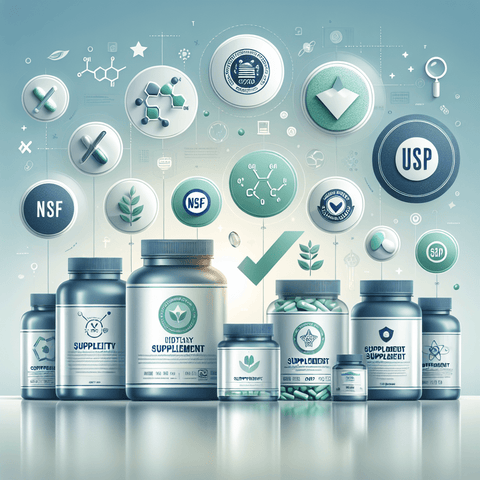


Dietary supplements are widely used to support nutritional needs, but not all products are created equal. Understanding supplement testing standards can help you make more informed decisions about the products you choose. This guide explains what these standards involve, how third-party certifications work, and what practical steps you can take to verify the quality of supplements before buying them.
What Are Supplement Testing Standards?
Supplement testing standards are established criteria used to assess the quality, purity, and composition of dietary supplements. These standards help ensure that a product contains what its label claims and that it does not contain harmful levels of contaminants. Testing is performed at various stages of the manufacturing process, from raw ingredients to finished products.
Common tests include verifying the identity of ingredients, measuring the potency of active compounds, and screening for potential contaminants. This process is essential because supplements are not subject to the same pre-market approval requirements as pharmaceutical drugs, making independent verification particularly important.
Types of Contaminants Tested
Quality testing programs screen for several categories of potential contaminants to ensure product safety:
- Heavy metals such as lead, arsenic, cadmium, and mercury
- Residual solvents used during manufacturing
- Pesticides and agricultural chemicals
- Microbiological contaminants such as bacteria, yeast, and mold
- Unintended ingredients or adulterants
These tests help identify potential safety issues that could otherwise go undetected. Laboratories that perform this testing typically follow methods described in official compendia such as the United States Pharmacopeia (USP) or regional pharmacopoeias.
Understanding Certificates of Analysis
A certificate of analysis, commonly abbreviated as COA, is a document that reports the results of laboratory testing performed on a specific batch or lot of a supplement. The COA should list the specific tests conducted, the measured results, and the acceptance criteria used to determine whether the product passed each test.
When reviewing a COA, consider whether the testing laboratory is accredited. Many reputable laboratories are accredited to ISO/IEC 17025, which is an international standard for testing and calibration laboratories. This accreditation provides additional confidence that the testing methods and results are reliable.
What to Look for in a COA
A complete and useful COA should include several key pieces of information that allow you to verify the quality of a specific product batch.
- Product name and batch or lot number matching what is on the product label
- Specific tests performed and the methods used
- Measured results for each test
- Acceptance criteria or specification limits
- Name and signature of the responsible laboratory representative
If the COA does not clearly identify the batch tested, or if the results are not presented with sufficient detail, this may be a reason for caution.
Third-Party Certification Programs
Third-party certification programs provide independent verification that supplements meet specific quality and safety standards. Unlike basic regulatory compliance, these programs involve comprehensive audits and testing conducted by independent organizations. Certification seals on product labels can serve as a helpful signal of quality.
USP Verified Mark
The USP Verified Mark indicates that a product meets the quality, purity, and potency standards established by the United States Pharmacopeia. Products bearing this mark have undergone testing and evaluation to confirm they contain the ingredients listed on the label in the declared amounts. The program also includes audits of manufacturing facilities to assess compliance with good manufacturing practices.
NSF International Certification
NSF International offers certification programs specifically for dietary supplements. NSF certification involves testing for contaminants and verifying that the product contains what the label claims. The program also includes facility audits and ongoing surveillance testing to ensure continued compliance with standards.
Other Independent Testing Programs
Several other organizations provide independent testing and quality verification for dietary supplements. These programs may vary in their testing methods, the substances they screen for, and the frequency of testing. Some programs focus primarily on testing finished products, while others also evaluate manufacturing practices and supply chain integrity.
When considering certification, it is important to research what each program actually verifies. Some certifications are more comprehensive than others, and the specific standards can vary between programs.
Regulatory Framework for Dietary Supplements
Dietary supplements are regulated differently depending on the country. Understanding the regulatory context can help you interpret what quality standards apply to products in different markets.
U.S. FDA Oversight
In the United States, the Food and Drug Administration (FDA) regulates dietary supplements under the Dietary Supplement Health and Education Act. Manufacturers are responsible for ensuring their products are safe, properly labeled, and contain declared ingredients. However, the FDA does not approve dietary supplements before they are marketed, which places significant responsibility on manufacturers for self-regulating their quality practices.
Good manufacturing practices (GMPs) require that supplements be produced in a consistent manner with appropriate quality control measures. This includes establishing specifications for ingredients and finished products, testing for identity and purity, and maintaining proper documentation.
European Union and Global Regulations
The European Union has its own regulatory framework for food supplements, which includes specific rules about ingredient safety, labeling, and permitted health claims. The European Food Safety Authority (EFSA) plays a significant role in evaluating the scientific evidence behind health claims. Other regions and countries have additional regulatory requirements that may differ from both the US and EU approaches.
For consumers, understanding the regulatory context can provide useful background when evaluating supplement products from different markets.
Practical Steps for Evaluating Supplements
Taking a systematic approach when evaluating supplements can help you make more informed purchasing decisions. Several practical steps can help you assess the quality of a product before buying it.
Steps to Verify Supplement Quality
- Check the product label for a third-party certification seal
- Look for batch numbers and expiration dates on the label
- Request the certificate of analysis from the manufacturer for that specific batch
- Verify the COA lists specific testing methods and acceptance criteria
- Confirm the testing laboratory is accredited, such as to ISO/IEC 17025
Using these steps consistently can help identify products with more transparent quality practices.
Signs of Lower-Quality Products
Certain characteristics may indicate that a supplement has not undergone adequate quality testing:
- Vague ingredient descriptions that do not specify the form or amount
- Proprietary blends that do not disclose individual ingredient amounts
- No visible batch number or expiration date
- Difficulty obtaining certificates of analysis
- Unusually low prices that seem inconsistent with quality testing costs
While these signs do not prove that a product is poor quality, they may warrant additional investigation.
Supplement Types and Quality Considerations
Different types of supplements may have different quality considerations. For example, vitamins and minerals are generally tested for their active ingredient content and potential contamination with heavy metals. Herbal products may require additional testing for botanical identity and pesticide residues. Specialty products like probiotics require testing for viable organisms and specific strains.
Understanding these differences can help you ask more targeted questions when evaluating specific products. You can explore various popular supplement categories such as natural supplements and healthy origin supplements to compare quality approaches across different product types.
Rather than focusing on one specific type, it is more helpful to develop a general approach to evaluating supplement quality that can be applied across different products.
How Testing Standards Relate to Supplement Categories
Testing standards apply across all supplement categories, but the specific tests may vary depending on the type of product. For example, vitamin D supplements may be tested for the specific form of vitamin D used and its concentration, while other supplements may require different analytical methods.
When evaluating any supplement, the same general principles apply: check for certification, review the certificate of analysis, and look for transparency in labeling. Applying these principles consistently helps ensure that the supplement you purchase meets appropriate quality standards regardless of the category.
The Role of Accreditation in Testing
Laboratory accreditation is an important factor in assessing the reliability of supplement testing. ISO/IEC 17025 accreditation indicates that a laboratory operates competently and produces valid results. When a certificate of analysis comes from an accredited laboratory, it provides greater confidence that the testing was performed correctly.
Manufacturers that choose accredited laboratories demonstrate a commitment to quality. However, accreditation alone is not sufficient; the specific methods and acceptance criteria used should also be appropriate for the product being tested.
Questions to Ask About Testing
When researching a supplement product, there are several questions you might consider asking the manufacturer:
- Which laboratory performed the testing for this product?
- Is the laboratory accredited to ISO/IEC 17025?
- What specific tests are performed on each batch?
- What are the acceptance criteria for each test?
- Can you provide a certificate of analysis for the current batch?
Responses to these questions can help you better understand the quality practices of different manufacturers.
Summary and Further Exploration
Supplement testing standards serve an important role in helping ensure the quality and safety of dietary supplements. By understanding how testing works, what certifications indicate, and how to read certificates of analysis, you can make more informed decisions about the supplements you choose.
The information on this page provides a broad overview of supplement testing standards. For more specific information about particular ingredients, nutrients, or product categories, exploring dedicated resources can provide additional depth and practical guidance.