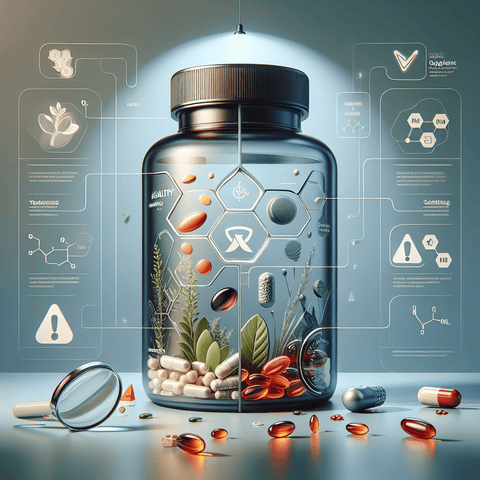
Pruebas de terceros para suplementos: Verifique pureza, potencia y seguridad con laboratorios independientes


El tercerismo en pruebas independientes es la práctica de enviar muestras de productos a laboratorios independientes para su verificación. Esta revisión externa añade una capa de análisis a los ingredientes, procesos de fabricación y etiquetado. Al separar la producción de la verificación, respalda una documentación transparente y datos objetivos sobre el contenido de un producto. Para marcas y consumidores por igual, el énfasis está en la información verificada en lugar de las afirmaciones de marketing. Los laboratorios independientes realizan varios análisis clave. La prueba de identidad confirma que los ingredientes listados están presentes en las formas esperadas. La prueba de potencia mide las cantidades de componentes activos, mientras que la prueba de pureza examina posibles contaminantes e impurezas. Los laboratorios también verifican la ausencia de sustancias no declaradas para garantizar que el producto coincida con su etiqueta. Los resultados generalmente se proporcionan en un certificado de análisis que acompaña a cada lote. Una prueba fiable de terceros de suplementos se basa en métodos estandarizados y acreditaciones confiables. Busca certificados que especifican el número de lote, los métodos exactos de prueba utilizados y los límites de detección. La acreditación de organismos como ISO/IEC 17025, o la participación en programas de USP, NSF International o ConsumerLab, indica un marco de calidad riguroso. Un Certificado de Análisis (COA) claro facilita la comparación de productos entre marcas de manera consistente. Comprender el papel de las pruebas independientes puede apoyar decisiones más inteligentes al evaluar las opciones en el mercado. Revisando certificados, precisión en el etiquetado y datos a nivel de lote, puedes evaluar qué tan bien un producto cumple con sus especificaciones declaradas. Al comprar, busca productos con COAs accesibles, específicos de cada lote, y documentación transparente de laboratorios acreditados para informar tus decisiones. Potencia tus decisiones hoy.


Heavy Metals in Supplements: What to Know in 2026 - Topvitamine
12 de August, 2026
Los metales pesados como el plomo, el arsénico, el cadmio y el mercurio pueden encontrarse en los suplementos dietéticos, a menudo en niveles por debajo de los límites regulatorios, pero ocasionalmente lo suficientemente altos como para generar preocupación. Esta guía explica cómo ocurre la contaminación, qué productos presentan mayor riesgo y cómo interpretar los resultados de pruebas independientes. También aprenderá a evaluar las certificaciones de terceros y a elegir suplementos con más confianza en 2026.
How to Tell if Your Supplement Is Safe and Free from Harmful Additives - Topvitamine
29 de August, 2025
Cómo saber si un suplemento es seguro exige revisar más que un sello o la palabra natural. Aprende a interpretar la etiqueta, valorar las dosis y las mezclas propietarias, comprobar el lote y los controles de calidad, y entender qué significa clean label. También encontrarás criterios para comparar productos, información general sobre la FDA y precauciones ante medicamentos, embarazo, enfermedades o dosis elevadas.

The dietary supplement market is vast, making it challenging to determine which products are truly high quality. Supplement third-party testing offers an objective way to verify what is actually inside a product. This guide explains what third-party testing involves, why it matters, andhow you can use the results to make more informed choices.

Understanding Supplement Third-Party Testing

Third-party testing for supplements is the process where an independent laboratory, with no financial interest in the product's sales, analyzes samples to verify their contents. This is different from first-party testing, where a manufacturer tests its own products, or second-party testing, where a retailer tests the products it sells. The independence of the lab is designed to add a layer of objectivity and credibility to the verification process.

The goal is to confirm that the product on the shelf matches its label claims. This verification can cover several different aspects of quality, which are described in the sections below.

What Independent Labs Verify

When a supplement is sent to an independent lab, the analysis typically focuses on several key areas. Understanding these can help you interpret a certificate of analysis (COA) more effectively.

Identity Testing

Identity testing confirms that the ingredients listed on the label are actually present in the product. For example, if a label lists a specific botanical extract, identity testing verifies thatthe correct plant species is used. This helps ensure you are getting the ingredient you expect.

Potency Testing

Potency testing measures the amount of active components in a supplement. This analysis checks whether the product contains the declared amount of each ingredient. A product might contain a listed ingredient, but in a quantity that differs significantly fromthe label, which could affect its usefulness.

Purity and Contaminant Screening

Purity testing screens for unwanted substances, including contaminants and impurities. This may involve checking for heavy metals, pesticides, microbes, or other potentially harmful residues. Some testing also looks for undeclared substances to ensure the product aligns with its label and does not contain hidden ingredients.

Together, these analyses provide a comprehensive picture of a product's quality, extending beyond what simple label reading can offer.

How to Read a Certificate of Analysis (COA)

The results of third-party testing are typically documented in a Certificate of Analysis (COA). This document is the primary way consumers can access the data from an independent lab. Knowing what to look for on a COA can help you evaluate and compare products more effectively.

Consider these key elements when reviewing a COA:

  • Batch or lot number: The certificate should correspond to the specific batch of the product you are considering. This ensures the test results apply to that particular production run.
  • Test methods: Look for information on the analytical methods used. Standardized methods provide more confidence in the results.
  • Limits of detection: This indicates the smallest amount of a substance thatthe lab can reliably detect. This is particularly important for purity testing.
  • Accreditation: Check if the testing laboratory is accredited by a recognized body, such as ISO/IEC 17025. This indicates thatthe lab meets specific quality management standards.

A COA that clearly lists these elements can make it easier to compare products across different brands in a consistent way.

Why Third-Party Testing Matters

Third-party testing is a valuable tool for anyone looking to understand what is in their supplements. By providing objective data, it helps shift the focus from marketing claims to verifiable information.

For consumers, this testing supports more informed decision-making. Instead of relying solely on a brand's reputation or promises, you can review independent data about the product's identity, potency, and purity. This can be particularly useful when evaluating unfamiliar brands or products.

Furthermore, a commitment to third-party testing can be a signal of a brand's transparency. Brands that willingly share batch-specific COAs are often more confident in their manufacturing processes and quality control.

Practical Considerations for Consumers

When you are evaluating supplements, knowing how to use third-party testing information can be helpful. Here are a few practical points to keep in mind:

  • Look for accessible COAs: Seek out brands that provide certificates of analysis fortheir products, either on their website or upon request.
  • Check for batch-specific data: Ensure the COA is tied to the specific batch or lot number of the product you are considering, not just a general certificate.
  • Understand the scope of testing: Not all testing is the same. Some labs may test for a wide range of contaminants, while others may have a more limited scope. Reviewing the COA helps you understand what was actually checked.

Keep in mind that third-party testing provides data at a specific point in time for a specific batch. It is a strong indicator of a product's quality, but it is part of a broader picture that also includes manufacturing practices and regulatory compliance.

Exploring Supplements and Quality

Understanding third-party testing is one aspect of evaluating the broader supplement landscape. As you explore different types of nutrients and supplements, you may find it useful to consider their specific characteristics and quality considerations. For example, you can explore guides onnatural supplements or learn more about the general principles behindmultivitamins. These resources can help you build a more complete understanding of what to look for in a high-quality product.

Ultimately, supplement third-party testing empowers you to ask better questions and make choices based on objective information. By learning to review certificates of analysis and understanding what independent labs verify, you can navigate the supplement market with greater confidence. The information provided here is for educational purposes and is not a substitute for professional medical advice. Always consult with a qualified healthcare provider before starting any new supplement regimen.