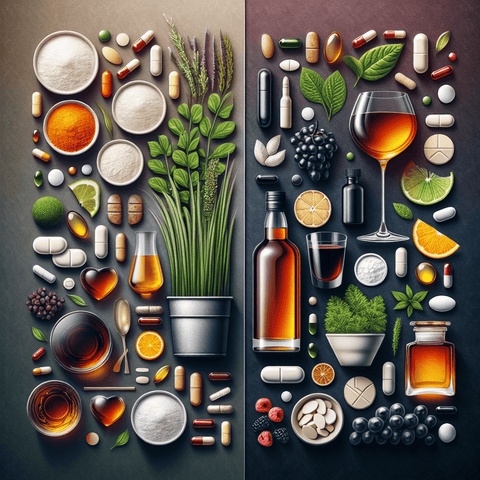
Suplementos y alcohol: riesgos, mitos y prácticas seguras


Descubrir Suplementos y Alcohol: Riesgos, Mitos y Prácticas Seguras—revelar los verdaderos riesgos, desmentir los mitos comunes y aprender consejos prácticos y basados en evidencia. Esta página se centra en cómo los suplementos y el alcohol se relacionan entre sí, ofreciendo una visión clara de las posibles desventajas, malentendidos frecuentes y formas de abordar el tema con un enfoque crítico. El objetivo es proporcionar información equilibrada que ayude a los lectores a navegar por las dudas sin hacer promesas infundadas sobre ningún producto. Los riesgos de los suplementos y el alcohol pueden surgir por cómo estas sustancias son procesadas en el cuerpo. Las interacciones pueden depender del momento, las cantidades, la variabilidad de los productos y la presencia de otros ingredientes. Debido a que las marcas y formulaciones difieren mucho, el perfil de riesgo puede variar de una persona a otra. En general, combinar suplementos y alcohol puede dar resultados impredecibles, por lo que reconocer que existe la posibilidad de variación es un paso importante para mantenerse informado. Los mitos comunes sobre suplementos y alcohol persisten. Algunas personas suponen que cualquier cosa vendida como suplemento es automáticamente segura para mezclar con alcohol, o que aumentar una dosis puede “contrarrestar” los efectos. Otros creen que lo “natural” significa seguro para combinar con alcohol. Desmentir estos mitos implica reconocer que la seguridad no es universal y que los mensajes de marketing pueden simplificar en exceso la complejidad. Un enfoque basado en la evidencia se concentra en las diferencias de productos, factores individuales y información confiable en lugar de suposiciones generales. Consejos prácticos y basados en evidencia para manejar los suplementos y el alcohol incluyen revisar las etiquetas de los productos en busca de advertencias sobre el alcohol o interacciones potenciales, espaciar el uso en lugar de mezclar, y consultar a un profesional de la salud si hay preocupaciones o si se están tomando medicamentos. Al evaluar la información, confíe en fuentes confiables, busque investigaciones actuales y tenga cuidado con las afirmaciones de marketing que minimizan los riesgos potenciales. Al abordar el tema con pensamiento crítico y precaución prudente, podrá tomar decisiones informadas acerca de los suplementos y el alcohol.


Can Supplements Interact With Alcohol? What You Need to Know - Topvitamine
28 de August, 2025
Combinar suplementos y alcohol no siempre implica el mismo riesgo: depende del ingrediente, la dosis, la frecuencia de consumo, los medicamentos y el estado de salud. Las vitaminas habituales no tienen una prohibición general, pero los productos sedantes, las dosis altas y algunas fórmulas herbales requieren más cuidado. Esta guía responde qué revisar, si existe un tiempo de espera y cuándo pedir consejo médico o farmacéutico.

The conversation around supplements and alcohol is common yet often misunderstood. Many people wonder if their daily vitamins are safe to take with a glass of wine or a beer, while others are concerned about whether alcohol might affect how their body uses certain nutrients. This guide serves as a comprehensive starting point, exploring the broad relationship between dietary supplements and alcohol consumption. We will cover the fundamental principles of how they interact, the potential risks involved, and the key factors you should consider to make informed choices.

What is the Relationship Between Supplements and Alcohol?

At its core, the relationship is about how alcohol affects the body's ability to process nutrients. Alcohol is a substance that can influence digestion, absorption, and metabolism. When you drink, your body prioritizes breaking down the alcohol, which can temporarily alter how it absorbs and uses the vitamins and minerals from your diet or your supplements. This can lead to a few different outcomes: some nutrients may be less effectively absorbed, some may be excreted more quickly, and the overall impact can vary based on the nutrient and the individual.

This is not a simple cause-and-effect situation. The interaction is influenced by a range of factors, including the type of supplement, the amount and frequency of alcohol consumption, and a person's nutritional status. A good example is the B-vitamin family, which plays a crucial role in energy production and are water-soluble, meaning they are not stored in large amounts in the body. Regular alcohol intake can potentially interfere with how the body uses these vitamins, although the practical impact can be difficult to generalize.

Why is Understanding this Topic Important?

Understanding the interaction between supplements and alcohol is essential for anyone who is mindful about their health. It’s not about fear-mongering, but about promoting responsible consumption and informed decision-making. If you are taking supplements to support your wellness, you want to ensure they are as effective as possible. Knowing that alcohol could potentially diminish their effects or, in some cases, create a more risky situation, is valuable knowledge.

Furthermore, this topic is relevant because both supplement use and alcohol consumption are widespread. It's likely that a significant portion of the population combines them at some point. By providing clear, non-judgmental information, we aim to help people understand the potential consequences and how to approach the subject with better awareness. This is about empowering you with facts, not just a list of warnings.

Main Types of Supplements and Their Interaction with Alcohol

The supplement market is vast, and different categories can have different relationships with alcohol. While the general principle is that alcohol can alter nutrient metabolism, the specifics vary. Here are some of the main categories you may need to consider:

  • Vitamins and Minerals: These are essential nutrients. As mentioned, alcohol can interfere with the absorption and metabolism of several, including B-vitamins, vitamin C, and minerals like magnesium and zinc. The effect is often more pronounced with chronic heavy drinking, but could also be relevant with occasional use.
  • Botanicals and Herbal Extracts: Many herbal supplements are processed by the liver. Since the liver is also responsible for breaking down alcohol, combining them can potentially increase the workload on this organ. Some botanicals may also have sedative properties, which could amplify the effects of alcohol.
  • Specialty Ingredients: This includes compounds like amino acids, which are the building blocks of protein. Their interaction with alcohol is an area of ongoing research, but it's reasonable to assume that alcohol's overall effect on metabolism could influence how these are processed.

It is important to remember that this is a general overview. The specific impact can depend on the dose and form of the ingredient. For example, fat-soluble vitamins (A, D, E, K) are absorbed differently than water-soluble vitamins, and chronic alcohol use is known to affect the absorption of these as well.

General Considerations for Combining Them

If you choose to consume alcohol while taking supplements, there is no one-size-fits-all rule. However, there are a few high-level principles that can guide your approach. It is always recommended to be cautious and aware of the potential for interaction.

  • Check Product Labels: Always read the label on your supplement. Look for any specific warnings regarding alcohol consumption. Many reputable brands will include this information.
  • Time Your Consumption: A common piece of advice is to separate the times you take your supplement and drink alcohol. This might mean taking your supplement with a meal earlier in the day and having a drink later, to minimize potential interaction at the point of absorption.
  • Understand Your Own Body: Everyone's metabolism is different. How you feel after taking a supplement and having a drink can be a strong indicator. If you experience unusual side effects, it is best to avoid the combination and speak with a healthcare professional.

These are practical steps, not medical advice. The decision to consume alcohol, and whether to take supplements at all, is a personal one. For individuals with pre-existing health conditions or those taking prescription medication, the conversation becomes even more important.

Safety, Myths, and a Practical Approach

Many myths surround this topic, such as the idea that a high dose of vitamin C or B-vitamins can 'counteract' the effects of alcohol or protect the liver from damage. These claims are not supported by science. No supplement can prevent alcohol intoxication or undo its negative effects on the body. Similarly, the idea that any 'natural' supplement is automatically safe to mix with alcohol is incorrect.

The safest approach is to view alcohol and supplements as two separate substances that have the potential to influence each other. Rather than looking for a way to negate their interaction, a better strategy is to focus on moderation, mindful consumption, and maintaining a balanced lifestyle. If you have questions about a specific supplement or a health condition, the most reliable source of information is a qualified healthcare provider or a pharmacist.

Exploring Your Supplement Choices

This broad overview touches on the key aspects of the supplements and alcohol topic. For those looking to explore specific types of supplements, understanding their general role in the body is a crucial first step. For instance, you can learn more about the foundational role of different nutrients by exploring our Vitamin D benefits, sources, and safety guidelines or read about the importance of B vitamins and their role in energy metabolism.

For those interested in the connection between stress, relaxation, and sleep, you might find value in understanding magnesium's role in muscle and bone support , as this mineral is often discussed in the context of overall wellness. Remember, having a good understanding of what a supplement is intended to do can help you have a more informed conversation with your doctor about whether it is right for you.

Ultimately, the information provided here is for educational purposes. It is not a substitute for professional medical advice. Always consult with a qualified healthcare provider before starting a new supplement, especially if you regularly consume alcohol or are taking other medications.