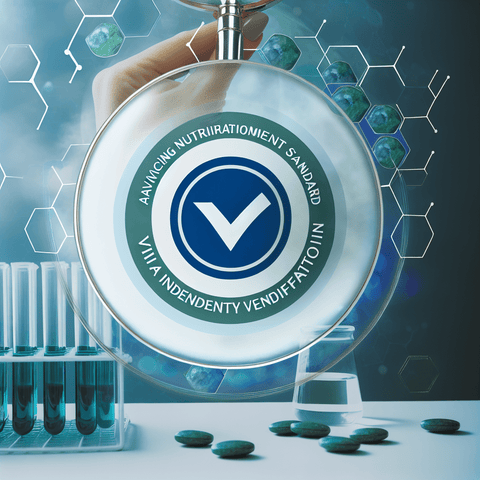
Certificación de terceros: Construya confianza con calidad verificada


La certificación de terceros es la verificación independiente de un producto, servicio o proceso por parte de un organismo externo y reconocido. A diferencia de las afirmaciones autodeclaradas, la certificación proporciona una evaluación objetiva de calidad, seguridad o rendimiento, y la insignia indica a los clientes que se ha cumplido con un estándar confiable. Al elegir una organización certificadora creíble y alinear sus operaciones con sus criterios, usted puede demostrar compromiso con la excelencia constante. Esta forma de aseguramiento independiente reduce sesgos, añade transparencia y ayuda a que su marca destaque en mercados saturados donde los compradores buscan evidencia verificable antes de comprar. Los clientes consideran los riesgos al tomar decisiones. La certificación de terceros funciona como una señal confiable que reduce ese riesgo al confirmar las afirmaciones mediante un auditor externo. Las certificaciones pueden abarcar la calidad del producto, la seguridad de los datos, la privacidad, la responsabilidad ambiental o estándares específicos de la industria. Cuando los clientes ven una insignia reconocida y una explicación clara de lo que cubre, adquieren confianza para avanzar. Esta confianza acorta el ciclo de decisión, mejora la percepción de confiabilidad y diferencia sus ofertas de las de los competidores no certificados. Cómo aprovechar eficazmente la certificación de terceros: identifique las certificaciones que importan para su dominio y audiencia, luego alinee sus procesos para cumplir con los criterios y someterse a auditorías. Mantenga la conformidad continua, programe re-certificaciones según sea necesario y publique los resultados en lugares transparentes y accesibles—en páginas de productos, en la sección "Acerca de" y en materiales de adquisición. Muestre las insignias de manera destacada, enlace a informes de verificación o auditorías, y capacite a sus equipos de atención al cliente para que hagan referencia a las certificaciones durante las conversaciones. Recuerde mantener el mensaje conciso y evitar exageraciones; deje que la certificación hable por sí misma. Impacto en conversiones y confianza: las señales de calidad independientes y verificadas a menudo se correlacionan con mayor confianza del cliente, menores tasas de devolución y mayor lealtad. La certificación de terceros proporciona una base creíble que ayuda a los compradores a sentirse informados y protegidos al comparar opciones. Para maximizar el impacto, integre la certificación en su propuesta de valor, realice pruebas para medir el aumento en conversiones cuando las insignias sean visibles y monitoree los comentarios de los compradores. Al convertir la certificación de terceros en una parte visible y creíble de su marca, puede acelerar las conversiones sin sacrificar estándares rigurosos de calidad.


How can you tell if a supplement is of good quality? - Topvitamine
12 de October, 2025
Un suplemento de buena calidad debe ofrecer información clara sobre sus ingredientes, cantidades, fabricante y lote. En esta guía encontrarás una lista práctica para revisar las Buenas Prácticas de Fabricación, el Certificado de Análisis, las pruebas de terceros, el origen de las materias primas y la formulación. También conocerás qué señales de alerta evitar y cuándo conviene consultar con un profesional sanitario antes de tomar un suplemento.
Exploring the Role of Third-Party Testing in Ensuring Supplement Quality - Topvitamine
25 de August, 2025
El análisis independiente de suplementos consiste en evaluar un producto en un laboratorio u organización que no pertenece al fabricante. Puede comprobar la identidad, la cantidad declarada de ingredientes y la presencia de contaminantes, aunque no demuestra por sí solo que un suplemento produzca un resultado clínico. Aprende a interpretar los informes, diferenciar una prueba de una certificación y elegir productos con mayor información sobre su calidad.

In a marketplace filled with competing health products and supplement brands, standing out requires more than compelling marketing. Consumers are increasingly looking for verifiable evidence that products meet recognized quality standards. Third-party certification provides that independent assurance. It is a process where an external, accredited organization evaluates a product, service, or process against specific criteria, offering a layer of trust that self-declared claims simply cannot match.

This guide serves as your broad introduction to third-party certification. We will explain what it is, why it is a critical factor in consumer trust, the common types of certifications you may encounter (especially in the supplement industry), and how to understand and use them effectively.

What Is Third-Party Certification?

At its core, third-party certification is an assessment conducted by an independent organization. This body has no stake in the success of the product or company it is evaluating. This independence is the key differentiator. It ensures that the evaluation is objective and free from conflicts of interest.

The process typically involves several steps. The certifying body reviews the company's processes and facilities, conducts audits, and tests products against established benchmarks. If the product or process meets all the criteria, the certifier issues a certificate and allows the company to display a specific seal or badge. This mark signals to the consumer that a trusted, external party has confirmed the product meets certain standards.

The Importance of Independent Verification

The primary value of third-party certification is the reduction of risk and uncertainty for the buyer. In sectors where safety and quality are paramount—such as dietary supplements, food, and cosmetics—the role of an independent auditor is crucial. It verifies that a product contains what the label says it does, that it is manufactured under hygienic conditions, and that it is free from harmful contaminants.

This process provides a credible baseline that helps buyers feel informed and protected as they compare options. When a trusted certification badge is present and clearly explained, it can significantly improve the perceived reliability of a brand. This confidence can shorten the time a customer needs to make a decision, improve loyalty, and differentiate a product from competitors that do not offer the same level of verification.

Common Types of Third-Party Certifications

While many industries have their own specific standards, some of the most recognizable certifications relate to quality, safety, and ethical practices. In the context of health and wellness, you will often see certifications that focus on the purity and quality of ingredients.

These certifications help consumers identify products that have met rigorous standards, often including:

  • Ingredient Purity: Verifying that the product contains only the listed ingredients without undeclared fillers or additives.
  • Contaminant Screening: Testing for the absence or safe levels of heavy metals, pesticides, and other pollutants.
  • Good Manufacturing Practices (GMP): Auditing the facility and production processes to ensure they meet strict hygiene and quality control guidelines.
  • Content Accuracy: Confirming that the amount of each active ingredient listed on the label matches what is actually in the product.

For consumers focusing on broader lifestyle choices, certifications can also cover areas like organic farming practices, fair trade, and environmental sustainability. Each certification has its own specific criteria, so it is helpful to understand what a particular seal actually represents.

What Does It Mean to Be Third-Party Tested?

When a product is described as being "third-party tested," it means that an independent lab, separate from the manufacturer, has analyzed the product. The lab typically checks for the identity, purity, and potency of the ingredients. This testing is a verification step that is more trustworthy than a manufacturer testing its own products, as the independent lab has no incentive to produce a favorable result. This type of testing is a core component of many certification programs.

How to Leverage Certification to Build Trust

For a brand, the work of obtaining certification is only the first step. The real value comes from communicating it effectively to the consumer. It is not enough to simply have a badge; the message needs to be placed where it is seen and explained in a way that is easy to understand.

A good strategy for highlighting your certifications includes:

  1. Display badges prominently on product pages and in the 'About Us' section of your website.
  2. Provide a link to the certifying body's verification page so customers can confirm your status.
  3. Clearly explain what the certification covers in simple language, avoiding overly technical jargon.
  4. Train your customer service and sales teams to confidently answer questions about your certifications.

By making third-party certification a visible and believable part of your brand, you can accelerate conversions while maintaining rigorous quality standards. It is an investment in credibility that can foster stronger customer relationships and help your products stand out in a crowded market.

Navigating Certifications for Supplements

If you are exploring supplements, understanding certifications can be very valuable. As you compare products from different brands, look for seals from reputable independent organizations. These certifications offer an extra layer of assurance about the quality and safety of what you are considering.

When integrating supplements into your routine, it is also helpful to understand the broader context of each ingredient and its role. For instance, knowing the different forms of a mineral or the sources of a vitamin can help you make more informed choices. You can explore our guides on specific nutrients and supplement types to learn more.

For example, you can find resources on multivitamin ingredients, usage, and safety or deep-dive into specific ingredients like magnesium and their benefits.

Ultimately, certifications and verifications are tools to help you navigate the market. By learning what they mean, you can use them to make purchasing decisions that align with your personal standards for quality, safety, and ethical values.

A Starting Point for Deeper Exploration

This page provides a broad overview of third-party certification. As a topic, it spans multiple concerns, including manufacturing quality, ingredient purity, and ethical sourcing. The specific articles associated with this tag will explore these areas in greater depth, offering detailed comparisons, explanations of specific standards, and practical advice for applying this knowledge.

Use this guide as a map. Gain a solid understanding of the fundamentals here, then use the related articles to zoom in on the details that matter most to you. This approach will give you a well-rounded and confident understanding of how to identify and trust quality products.