Suplementos probados por terceros: verificación en laboratorio independiente en la que puedes confiar
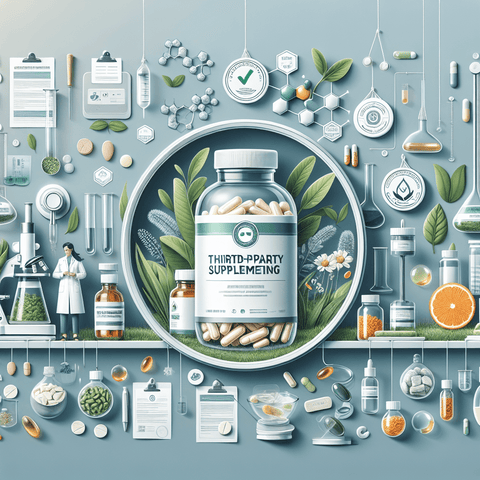

Las pruebas de terceros y la verificación en laboratorios independientes son esenciales para confirmar la pureza, potencia y seguridad de los suplementos. Los suplementos sometidos a pruebas por terceros son evaluados por laboratorios neutrales y acreditados que no tienen interés financiero en el producto. Esta separación ayuda a garantizar que lo que aparece en la etiqueta coincida con el contenido real y que se apliquen de manera consistente los estándares de calidad. Los informes transparentes de estas evaluaciones ofrecen a las marcas un camino claro para demostrar su responsabilidad ante los consumidores. Durante la verificación, los laboratorios comprueban la identidad de los ingredientes, cuantifican los componentes activos y revisan posibles contaminantes e impurezas. Las instalaciones acreditadas utilizan métodos validados y siguen protocolos establecidos para producir un certificado de análisis (COA) para cada lote. Los COA, a menudo publicados por las marcas, brindan detalles sobre los lotes inspeccionados, los métodos de prueba y los resultados, lo que permite a los consumidores revisar los datos que respaldan las afirmaciones en la etiqueta. Confiar en suplementos con pruebas de terceros apoya un mercado donde las marcas están motivadas a mantener un control de calidad riguroso y etiquetado preciso. La verificación independiente fomenta la coherencia en diferentes lotes de producción y en los proveedores, ayudando a minimizar las discrepancias entre lo declarado en la etiqueta y la composición real. Al priorizar resultados transparentes, los compradores pueden comparar productos con confianza. Haz clic para ver marcas confiables con resultados transparentes.


What are Third-Party Tested Supplements and Why Should You Look for Them? - Topvitamine
29 de August, 2025
Los suplementos probados por terceros son evaluados por una organización o laboratorio independiente para comprobar aspectos como identidad, potencia, pureza y posibles contaminantes. Esta guía explica la diferencia entre una prueba independiente, una certificación y las Buenas Prácticas de Fabricación, además de comparar NSF, USP e Informed-Sport. También incluye una lista práctica para valorar etiquetas, certificados y la transparencia de una marca sin confundir calidad con eficacia clínica.

How to Choose Third-Party Tested Supplements You Can Trust - Topvitamine
28 de August, 2025
Los suplementos probados por terceros son evaluados por una organización independiente para comprobar aspectos como identidad, potencia y contaminantes. Esta guía explica qué significan sellos como USP o NSF, cómo interpretar un certificado de análisis (COA), qué señales indican una marca transparente y qué límites tienen estas certificaciones. También incluye una lista práctica para comparar productos de vitaminas, minerales, omega-3 y otros complementos con mayor criterio.

Are third-party tested supplements worth the extra cost? - Topvitamine
28 de August, 2025
Los análisis para saber qué vitaminas faltan suelen ser pruebas de sangre seleccionadas según los síntomas, la alimentación, los antecedentes y la situación clínica de cada persona. No existe un examen único que mida de forma fiable todas las vitaminas. En esta guía conocerás las pruebas más habituales, sus limitaciones y la diferencia entre un análisis clínico y las pruebas de calidad realizadas a los suplementos.
What to Look for in Third-Party Tested Supplements for Better Quality and Safety - Topvitamine
27 de August, 2025
Los suplementos probados por terceros son evaluados por una entidad independiente para comprobar, según el programa y el lote, aspectos como la identidad, la potencia y determinados contaminantes. Esta guía explica cómo interpretar certificaciones como NSF o USP, qué revisar en la etiqueta, cómo solicitar un Certificado de Análisis y qué límites tienen estas pruebas antes de elegir vitaminas, minerales, omega-3 u otros complementos.

What Are Third-Party Tested Supplements and Why Should You Care? - Topvitamine
27 de August, 2025
Los suplementos probados por terceros son evaluados por un laboratorio u organización independiente para comprobar aspectos como identidad, potencia y contaminantes. Esta guía explica qué puede y qué no puede garantizar una certificación, las diferencias entre NSF y USP, cómo revisar un certificado de análisis y qué preguntas hacer antes de elegir vitaminas, minerales u otros suplementos. También incluye precauciones para personas que toman medicamentos o tienen necesidades especiales.

How to Tell if a Supplement Is High-Quality Before You Buy - Topvitamine
26 de August, 2025
Los suplementos de alta calidad deben ofrecer una etiqueta clara, ingredientes y cantidades identificables, fabricación responsable y controles de seguridad verificables. Esta guía explica cómo leer la etiqueta de un suplemento, interpretar las pruebas de terceros, valorar las formas de los nutrientes y entender qué significa realmente etiqueta limpia. También incluye una lista práctica para comparar productos y consejos de seguridad antes de comprar o empezar a tomar un suplemento.

The supplement aisle presents consumers with countless options, but determining which products are actually reliable can be challenging. Third-party tested supplements offer a solution: products that have undergone independent laboratory analysis to verify their contents match what's stated on the label. This guide explains what third-party testing involves, why it matters for supplement quality, and how you can identify independently verified products.

What Does Third-Party Testing Mean?

Third-party testing refers to laboratory analysis conducted by an organization independent from the supplement manufacturer. When a product is third-party tested, an outside laboratory examines the supplement to verify that it contains the ingredients listed on the label in the stated amounts. This independent verification helps confirm product authenticity and quality.

The testing process typically involves multiple analytical methods to identify active ingredients, measure their concentration, and screen for potential contaminants. These tests may also check for ingredient purity, ensuring that the product doesn't contain undeclared substances or impurities that could be harmful.

Key Differences from Manufacturer Testing

Manufacturers routinely conduct quality control testing on their own products. While this in-house analysis is important, it lacks the objectivity of independent verification. Third-party laboratories have no financial stake in the product's success, which helps ensure unbiased results. This separation between the entity producing the supplement and the organization verifying its contents creates a more trustworthy assessment.

Major Third-Party Testing Organizations

Several respected organizations provide third-party testing and certification programs for dietary supplements. Each operates with specific standards and testing protocols.

NSF International

NSF International offers the NSF Certified for Sport program, which tests supplements for prohibited substances and verifies label claims. This certification is particularly relevant for athletes and individuals concerned about banned ingredients. NSF also provides general dietary supplement certification that includes toxicological review and contaminant testing.

US Pharmacopeia (USP)

The US Pharmacopeia sets quality standards for medicines and supplements. USP-verified supplements undergo comprehensive testing for ingredient identity, strength, purity, and performance. Products meeting USP standards carry the USP Verified Mark, indicating they adhere to strict quality criteria established by this independent scientific organization.

ConsumerLab.com

ConsumerLab.com independently tests health and nutrition products and publishes results for consumers. Their testing program evaluates products against quality standards and identifies issues such as incorrect ingredient amounts, contamination, or labeling problems. While ConsumerLab doesn't provide certification seals, their testing results offer valuable transparency for consumers.

How to Identify Third-Party Tested Supplements

Identifying third-party tested supplements requires looking beyond the front label marketing claims. Here are practical ways to verify independent testing:

  • Check for third-party certification seals on the product packaging, such as NSF Certified, USP Verified, or other recognized verification marks.
  • Review the manufacturer's website for certificates of analysis (COAs) or documentation of independent testing.
  • Contact the supplement company directly and ask which third-party laboratories they use and whether testing results are available for review.
  • Look for batch-specific testing information that connects a particular production lot to its verification results.

Some manufacturers voluntarily publish third-party test results for every batch of products they produce. This level of transparency provides consumers with direct access to verification data and demonstrates a company's commitment to quality control.

What Third-Party Testing Verifies

Third-party testing typically examines several important aspects of supplement quality.

Ingredient Identity

Laboratories verify that the ingredients listed on the product label are actually present in the supplement. This confirmation helps protect consumers from products that claim to contain specific nutrients but don't deliver them.

Ingredient Quantity

Independent testing measures the amount of each active ingredient to ensure it matches the labeled quantity. This verification helps consumers understand exactly how much of each nutrient they're getting from a supplement.

Contaminant Screening

Third-party laboratories screen for potential contaminants including heavy metals, pesticides, microbial pathogens, and other harmful substances. This testing helps ensure products are safe for consumption and free from undeclared ingredients.

Why Independent Verification Builds Consumer Confidence

The dietary supplement market is vast, with thousands of products available across various categories. For consumers trying to make informed decisions, third-party testing provides an objective measure of product quality that isn't influenced by marketing claims or manufacturer self-interest.

When you choose third-party tested supplements, you gain greater assurance that the product matches its label claims. This transparency helps you understand precisely what you're consuming and supports more educated supplement choices. Many consumers also find that independent verification provides peace of mind regarding product safety and consistency.

Considerations When Choosing Tested Supplements

While third-party testing is an important quality indicator, it's not the only factor to consider when selecting supplements. The overall reputation of the manufacturer, the quality of ingredients used, and the specific formulation all contribute to product effectiveness.

Different testing organizations have varying standards and methodologies. Understanding what each certification program covers helps you interpret verification marks appropriately. Some certifications focus on contaminant testing, while others emphasize ingredient identity and quantity verification.

It's also worth noting that third-party testing doesn't guarantee a supplement will work as intended. Rather, it verifies that the product contains what it claims to contain and is free from certain contaminants. For personalized supplement recommendations, consulting with a healthcare provider who knows your health history is still important.

Exploring Quality Supplement Categories

For those interested in exploring high-quality supplements across different categories, our natural supplements collection features products sourced with attention to quality and transparency. Additionally, our multivitamin guide provides information on choosing comprehensive nutritional support, while the mineral supplements guide explores essential minerals and their roles in health.

Making Informed Supplement Choices

Third-party testing represents one important aspect of supplement quality assessment. By understanding what independent verification involves and how to identify tested products, consumers can approach the supplement market with greater confidence and clarity.

Remember that supplements are intended to complement a balanced diet and healthy lifestyle rather than replace them. When considering any supplement, including third-party tested products, it's wise to think about your specific nutritional needs and overall health goals. A thoughtful approach to supplement selection considers multiple factors, with independent testing serving as one valuable data point among many.