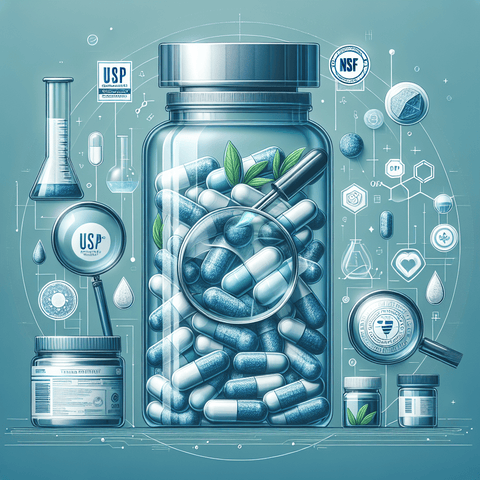
Los procesos de verificación por terceros son evaluaciones independientes realizadas por un laboratorio u organismo sin interés comercial en el producto. Comprueban aspectos como la identidad, la potencia y la pureza, pero no determinan si un suplemento es adecuado para una persona concreta. En la mayoría de los mercados, incluido Estados Unidos, el análisis independiente del producto terminado no es obligatorio por ley, así que conviene que el comprador sepa qué evidencia buscar.
¿Qué son los procesos de verificación por terceros? Definición y funcionamiento
La verificación por terceros consiste en que una organización independiente evalúa un suplemento, en lugar de depender únicamente de los controles internos del fabricante. El proceso suele incluir la toma de muestras, su análisis en laboratorio y la comparación de los resultados con la etiqueta y las especificaciones del producto. Según el programa, puede terminar con un informe, la publicación de resultados o la concesión de un sello.
No todos los controles ofrecen el mismo nivel de garantía. La autoverificación es el control interno del fabricante; el análisis por terceros examina una muestra o un lote concreto; y una certificación completa suele formar parte de un programa continuo que puede incluir auditorías de las instalaciones y análisis periódicos. El alcance depende de cada programa.
Un certificado de análisis (CoA) es un documento que recoge resultados de laboratorio para un lote concreto, por ejemplo, sobre identidad, potencia y contaminantes. Para que sea útil, debe corresponder al número de lote del envase. La acreditación ISO/IEC 17025 indica competencia técnica del laboratorio para realizar determinados ensayos; no significa que haya analizado de forma independiente cada lote de cada suplemento. Del mismo modo, el cumplimiento de las cGMP se refiere a normas de fabricación y no garantiza por sí solo análisis independientes del producto terminado.
- Autoverificación: control interno del fabricante, con un posible conflicto de interés inherente.
- Análisis por terceros: evaluación independiente de una muestra o lote concreto.
- Certificación completa: programa continuo que puede incluir análisis, auditorías de instalaciones y un sello.
- Certificado de análisis (CoA): documento de laboratorio por lote con resultados como identidad, potencia y contaminantes.
- ISO/IEC 17025: acreditación de la competencia técnica de un laboratorio para ensayos determinados.
- cGMP: normas de fabricación que no garantizan análisis independientes de cada lote.
Paso a paso: qué ocurre durante un proceso de verificación por terceros
Un programa puede obtener una muestra, idealmente mediante una compra aleatoria en un punto de venta, y analizarla en un laboratorio. Las pruebas pueden comprobar la identidad del ingrediente —en botánicos, mediante ADN o una huella química, según el método— y medir su potencia. También pueden buscar contaminantes como metales pesados, microorganismos, pesticidas, disolventes o sustancias farmacéuticas no declaradas.
Los programas de certificación pueden añadir auditorías de la planta de fabricación y repetir los análisis a lo largo del tiempo. Sin embargo, el alcance y la frecuencia varían: ningún proceso comprueba necesariamente todos los aspectos de todos los productos.
Por qué importa la verificación por terceros para tu salud y tu seguridad
La exactitud de la etiqueta importa porque las personas pueden tomar suplementos sin supervisión médica y una diferencia entre la cantidad declarada y la real puede ser relevante. Por ejemplo, una ingesta excesiva de vitamina D puede ser perjudicial. La verificación aporta una comprobación externa de determinadas características del producto, pero no demuestra que tomarlo vaya a producir un beneficio concreto.
En Estados Unidos, la Ley DSHEA de 1994 establece responsabilidades para los fabricantes y las cGMP regulan aspectos de fabricación, pero no exigen la aprobación previa de cada suplemento ni el análisis independiente del producto terminado antes de su venta. En la Unión Europea existen normas armonizadas sobre seguridad y declaraciones, aunque la vigilancia y su aplicación pueden variar entre Estados miembros.
La vigilancia de mercado y los análisis independientes han documentado problemas de calidad como potencias que no coinciden con la etiqueta, sustitución de botánicos, oxidación de omega 3, recuentos de probióticos distintos de los declarados y adulteración con fármacos no declarados en algunas categorías, como pérdida de peso, mejora sexual o rendimiento. Estos hallazgos documentan problemas de calidad; no prueban por sí solos que un producto cause un resultado de salud determinado. Una verificación transparente puede convertir una afirmación de calidad en evidencia que el comprador pueda revisar.
Señales de alerta y situaciones en las que la verificación es especialmente importante
La ausencia de un sello no demuestra automáticamente que un suplemento sea de mala calidad, pero algunas señales pueden justificar una revisión más cuidadosa. Los problemas pueden relacionarse con cadenas de suministro globales, adulteración motivada económicamente o deficiencias de fabricación, como contaminación cruzada, errores de dosificación y métodos internos de control insuficientes.
- No hay un sello de certificación ni se ofrece un certificado de análisis a petición.
- Se usan expresiones vagas como «analizado en laboratorio» o «clínicamente probado» sin identificar el laboratorio ni explicar el análisis.
- Faltan una dirección de empresa o datos de contacto verificables.
- Se prometen resultados espectaculares o rápidos.
- El precio es muy inferior al habitual para ingredientes costosos.
- Una fórmula propietaria oculta la cantidad de cada ingrediente.
Para los atletas sujetos a controles antidopaje, los programas que analizan sustancias prohibidas, como Informed Sport, Informed Choice o NSF Certified for Sport, pueden ser especialmente pertinentes. El alcance exacto depende del programa y no elimina todos los riesgos. Al comprar en marketplaces con vendedores externos también conviene comprobar quién vende el producto: pueden existir riesgos de falsificación, caducidad o almacenamiento inadecuado.
Qué puede y qué no puede garantizar la verificación por terceros
La verificación puede aportar evidencia sobre la identidad, la potencia y la pureza conforme al alcance del análisis, pero no confirma que el suplemento sea adecuado para ti ni que vaya a funcionar como esperas. La idoneidad puede depender de la edad, el sexo, la alimentación, los medicamentos, la salud gastrointestinal, el embarazo, la exposición al sol y otras circunstancias de salud.
Un producto verificado también puede aportar más de lo que necesitas. La forma del nutriente puede ser relevante —por ejemplo, las distintas sales de magnesio o la vitamina D3 frente a la D2—, aunque la evidencia comparativa no siempre permite establecer una opción universalmente superior. La verificación tampoco evalúa necesariamente la biodisponibilidad, la dosis apropiada para una persona ni la conveniencia de tomar el producto con alimentos.
Primero la alimentación: dónde encajan los suplementos verificados en un estilo de vida saludable
Una alimentación equilibrada es la base: los alimentos aportan nutrientes dentro de una matriz alimentaria, y los suplementos pueden servir para cubrir necesidades específicas, no para sustituir comidas. Antes de comprar, puede ser útil revisar con honestidad los hábitos alimentarios y considerar si algún cambio en la dieta responde a la necesidad identificada.
Para conservar la calidad, sigue las instrucciones de la etiqueta y guarda el producto en un lugar fresco, seco y oscuro. Refrigéralo solo cuando así se indique, comprueba la fecha de caducidad y presta atención a la posible oxidación de los omega 3.
Cómo elegir un suplemento verificado por terceros
Los sellos pueden tener alcances distintos, por lo que conviene elegir en función de lo que se quiere comprobar. USP Verified evalúa aspectos como identidad, potencia, pureza y calidad de fabricación. NSF certifica productos según su programa, incluido ANSI/NSF 173; NSF Certified for Sport añade un cribado de sustancias prohibidas. Informed Choice e Informed Sport se centran en análisis relacionados con sustancias prohibidas, con programas que pueden analizar lotes. BSCG ofrece cribados específicos de sustancias prohibidas y ConsumerLab.com es una organización independiente que publica resultados y concede su propio sello.
- USP Verified: identidad, potencia, pureza y calidad de fabricación, según el alcance del programa.
- NSF: certificación según el programa aplicable; NSF Certified for Sport añade cribado de sustancias prohibidas.
- Informed Choice / Informed Sport: análisis relacionados con sustancias prohibidas; consulta el alcance y la frecuencia del programa.
- BSCG: cribado específico de sustancias prohibidas.
- ConsumerLab.com: organización independiente que publica resultados y concede un sello.
Ningún sello lo cubre todo. Para un atleta, puede ser prioritario el cribado de sustancias prohibidas; para un uso general, quizá interesen más la identidad y la potencia. Un sello resulta más informativo cuando se puede consultar qué análisis se hicieron, si corresponden a lotes concretos y qué laboratorio los realizó. La acreditación ISO/IEC 17025 puede aportar información sobre la competencia técnica del laboratorio para los ensayos pertinentes.
La verificación no sustituye la comparación de la dosis, la forma y la presentación. Según el nutriente, pueden ser relevantes la absorción con alimentos que contienen grasa o la diferencia entre cápsulas, comprimidos, polvos y gominolas. Revisa también los alérgenos, excipientes, edulcorantes y colorantes.
Cómo leer la etiqueta como un auditor de calidad
Empieza por el tamaño de la ración: las cantidades de la tabla nutricional suelen referirse a esa porción, no necesariamente al envase completo. Distingue los sellos verificables de expresiones de marketing como «calidad premium» o «grado farmacéutico», que por sí solas no describen un análisis independiente.
Comprueba la certificación en la base de datos del organismo que la concede. Si solicitas un certificado de análisis, revisa que sea reciente, que identifique el laboratorio y que el número de lote coincida con el del producto que vas a comprar.
Cuándo tiene sentido un suplemento verificado y quién se beneficia más
La suplementación puede tener sentido para cubrir una necesidad concreta, por ejemplo, vitamina D cuando la exposición solar es limitada, vitamina B12 en dietas veganas, omega 3 o determinados nutrientes durante el embarazo. Esto no significa que todas las personas necesiten esos suplementos: la dieta, las circunstancias individuales y la orientación sanitaria pueden cambiar la decisión. Tomar productos «por si acaso» sin un objetivo definido no garantiza que sean necesarios.
Cuando existe una deficiencia diagnosticada, la fiabilidad de la cantidad puede cobrar especial importancia. Si se sospecha una deficiencia de vitamina D, B12 o hierro, un profesional sanitario puede orientar la evaluación y valorar análisis de sangre, ya que los síntomas pueden ser inespecíficos. Los alimentos pueden bastar para algunas necesidades, mientras que en otras situaciones puede ser pertinente valorar un producto verificado.
La verificación puede ser especialmente valiosa para quienes tienen más en juego, como personas embarazadas, niños, personas mayores que toman medicamentos, personas con alergias o dietas restringidas y atletas sometidos a controles antidopaje. En todos los casos, el sello es una pieza de información sobre calidad, no una evaluación personal de seguridad o necesidad.
- Identifica la necesidad concreta y considera si los cambios en la alimentación podrían responder a ella.
- Confirma que el sello sea auténtico en la base de datos del certificador.
- Revisa un certificado de análisis actual y comprueba que coincida con el lote del producto.
- Compara la forma del nutriente y la cantidad por ración con la necesidad que se quiere cubrir.
- Comprueba alérgenos, edulcorantes y otros ingredientes añadidos.
- Revisa la fecha de caducidad y las instrucciones de conservación.
- Consulta con un profesional sanitario o farmacéutico las posibles interacciones con medicamentos.
Consideraciones de seguridad que la verificación no cubre
Un producto puro y correctamente etiquetado aún puede ser perjudicial si se consume en exceso. Como referencia general para adultos, el nivel máximo de ingesta tolerable de vitamina D se establece en 100 microgramos (4.000 UI) al día; no es una dosis recomendada para cada persona ni sustituye la orientación profesional. Además, combinar un multivitamínico con productos de un solo nutriente puede aumentar la ingesta total sin que resulte evidente.
También hay interacciones que merecen atención: la vitamina K puede interferir con la warfarina; dosis altas de vitamina E pueden ser relevantes para quienes toman anticoagulantes; y el uso prolongado de zinc puede afectar al estado del cobre. La verificación de calidad no está diseñada para detectar estas interacciones ni para evaluar la dosis adecuada para cada persona.
Como orientación general, consulta con un profesional sanitario antes de tomar suplementos si usas medicamentos con receta, tienes una enfermedad renal o hepática crónica, tienes prevista una cirugía, estás embarazada o en periodo de lactancia, o consideras dosis altas. Un farmacéutico también puede ayudar a revisar posibles interacciones entre nutrientes y medicamentos.
Preguntas frecuentes sobre la verificación por terceros
¿Es obligatorio por ley el análisis por terceros? En Estados Unidos, no: el análisis independiente del producto terminado es voluntario. En otros mercados, los requisitos y la vigilancia pueden diferir.
¿Qué es un certificado de análisis y cómo se utiliza? Es un informe de resultados para un lote concreto. Comprueba que el número de lote coincida con el envase y revisa qué pruebas se realizaron, quién las hizo y si el laboratorio cuenta con la acreditación pertinente.
¿Qué significa la acreditación ISO/IEC 17025? Indica competencia técnica de un laboratorio para ensayos determinados; no certifica por sí sola un suplemento ni demuestra que cada lote haya sido analizado. Asimismo, un sello de verificación no significa que la FDA haya aprobado el producto.
¿Qué programas pueden interesar a los atletas? Informed Sport, Informed Choice, NSF Certified for Sport y BSCG ofrecen programas relacionados con el análisis de sustancias prohibidas. Conviene revisar las pruebas y el alcance específicos de cada uno.
¿La verificación garantiza que el suplemento funcione para mí? No. Aporta información sobre calidad dentro del alcance del programa, pero no confirma que el producto sea necesario, adecuado o eficaz para una persona concreta.
¿Cómo puedo comprobar que un sello es auténtico? Busca el producto en la base de datos oficial del certificador y compara el nombre, la presentación y, cuando esté disponible, el lote. En botánicos, donde la identidad puede ser especialmente difícil de comprobar, la verificación puede aportar información útil, aunque no elimina todas las incertidumbres.
¿Qué precauciones conviene tomar al comprar en un marketplace? Comprueba quién es el vendedor, el estado del envase, la caducidad y las condiciones de almacenamiento; presta atención a posibles falsificaciones o productos mal conservados. Si se sospecha una deficiencia, la evaluación y los análisis de sangre pueden orientarse con un profesional sanitario.
¿Cuándo puede justificarse pagar más por un producto verificado? Puede tener más valor cuando se necesita evidencia de identidad o potencia, cuando existe una necesidad nutricional definida o cuando se busca un cribado específico para atletas. Compara el alcance del programa y recuerda que un producto verificado también puede contener una dosis elevada.
Conclusiones clave
- La verificación por terceros es una evaluación independiente de aspectos como la identidad, la potencia y la pureza.
- En Estados Unidos, el análisis independiente del producto terminado no es obligatorio por ley.
- La vigilancia y los análisis independientes han documentado problemas de etiquetado, contaminación y adulteración.
- Un certificado de análisis vinculado al lote ofrece evidencia de los resultados obtenidos para ese lote.
- Los sellos difieren en alcance: elige según lo que quieras comprobar.
- La verificación informa sobre calidad, no sobre idoneidad personal, dosis o biodisponibilidad.
- La alimentación es la base; los suplementos pueden servir para cubrir necesidades específicas.
- La verificación puede ser especialmente útil para personas con necesidades concretas y atletas sujetos a controles antidopaje.
- Un producto verificado no está exento de riesgos: las dosis y las interacciones requieren atención.