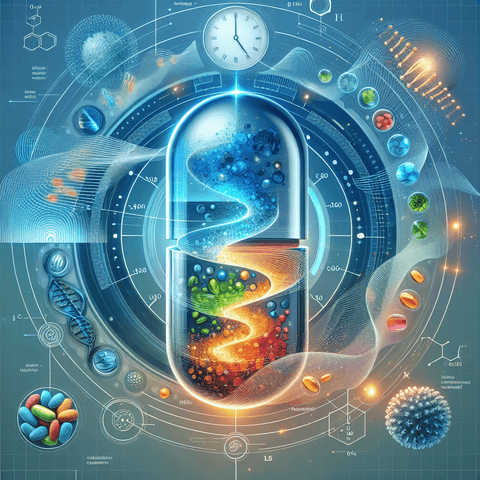
La entrega de nutrientes en momentos específicos es un enfoque de alimentación de precisión que alinea la disponibilidad de nutrientes con los ciclos de crecimiento. Al suministrar nutrientes en sincronía con las etapas de desarrollo, este método reduce el desperdicio y favorece un crecimiento más rápido y predecible. El énfasis está en el momento del dosificado, la concentración de las soluciones y la frecuencia de las entregas, de modo que los nutrientes lleguen cuando los tejidos objetivo sean más receptivos. Esto crea un programa de crecimiento que se adapta a las señales en tiempo real en lugar de seguir un calendario fijo. El resultado es un trayecto de crecimiento más controlable y resultados más claros y medibles. Cómo funciona la entrega de nutrientes en momentos específicos combina la detección, análisis y automatización. Los indicadores de crecimiento, las condiciones ambientales y el estado de los tejidos informan cuándo iniciar una ventana de alimentación y cuánto suministrar. Los perfiles de nutrientes se ajustan para coincidir con las fases de crecimiento—temprana, media y tardía—utilizando dosis pulsadas y intervalos cuidadosamente espaciados. Las plataformas de automatización coordinan bombas, mezcladores y sensores para entregar cantidades precisas en momentos exactos, ayudando a mantener la concentración y el momento en alineación con las necesidades de la planta u organismo. Este enfoque hace hincapié en la capacidad de respuesta y la repetibilidad a lo largo de los ciclos. Los beneficios de la entrega de nutrientes en momentos específicos se vuelven visibles en un rendimiento medible. Cuando los nutrientes se suministran exactamente en el momento en que la demanda aumenta, la eficiencia en el uso de nutrientes mejora y las tasas de crecimiento se vuelven más consistentes entre lotes. Debido a que las entregas se sincronizan con las señales de crecimiento, las variaciones disminuyen y los tiempos de ciclo pueden acortarse. Los datos de mediciones de biomasa, desarrollo del dosel o indicadores similares de crecimiento proporcionan evidencia objetiva de la progresión, apoyando la optimización del programa de alimentación basada en datos. La entrega de nutrientes en momentos específicos también favorece una mejor trazabilidad y reproducibilidad en los flujos de trabajo de producción. Para comenzar con la entrega de nutrientes en momentos específicos, es importante alinear tu plan de alimentación actual con los hitos de crecimiento. Comienza definiendo las etapas clave de crecimiento que deseas abordar y las métricas que usarás para evaluar el progreso. Elige una solución de automatización que soporte la entrega de nutrientes en momentos específicos, con sensores compatibles e interfaces de control. Empieza con una línea base conservadora, monitorea las respuestas y ajusta gradualmente las ventanas de dosificación, las concentraciones y la cadencia de las entregas. La recopilación continua de datos y la calibración ayudan a mantener la alineación entre los ciclos de crecimiento y el suministro de nutrientes, desbloqueando un crecimiento más rápido mediante un programa repetible y medible.
Entrega de nutrientes controlada en el tiempo: alimentación de precisión para un crecimiento más rápido
Timed nutrient delivery represents a shift from traditional, constant-feeding models to a more dynamic approach. Instead of simply providing a steady supply of nutrients, this method focuses on the precise timing of when those nutrients are made available. The central idea is to synchronize nutrient availability with an organism's biological demand, which can lead to improved efficiency and more consistent outcomes. This guide explores the core concepts behind this strategy, its key components, and the practical considerations for implementing it in various settings, from agriculture to biological research.
The Core Principle of Timed Nutrient Delivery
At its heart, timed nutrient delivery is about precision. It moves away from the idea of a constant, unchanging nutrient supply and instead looks at the growth cycle as a series of phases. Each phase—whether it is early development, a rapid growth spurt, or a maturation period—has different nutritional requirements. This approach uses the timing of dosing, the concentration of solutions, and the cadence of deliveries to ensure nutrients arrive when the target tissues are most receptive. This responsiveness allows for a growth program that adapts to real-time signals rather than following a rigid, predetermined schedule.
The ultimate goal is to create a more controllable and predictable growth trajectory. By reducing waste and maximizing uptake, this method can lead to clearer, more measurable outcomes.
Key Components: Sensing, Analytics, and Automation
A successful timed nutrient delivery system is often built on three main pillars: sensing, analytics, and automation. These components work together to create a responsive and precise feeding program.
Sensing involves monitoring growth indicators, environmental conditions, and tissue status to gather real-time data. Analytics then processes this information to determine when to initiate a feeding window and how much to supply. Finally, automation platforms, which may include pumps, mixers, and sensors, execute the commands to deliver precise amounts at exact times. This integrated workflow helps keep nutrient concentration and timing aligned with the organism's current needs, ensuring the system is both responsive and repeatable across cycles.
The Role of Nutrient Profiles and Growth Phases
Just as the timing of delivery is crucial, so too is the composition of the nutrients themselves. In a timed delivery program, nutrient profiles are adjusted to match the organism's growth phase—early, mid, and late stages. For example, a plant in its vegetative phase may require a different balance of nitrogen, phosphorus, and potassium than one that is flowering or fruiting.
Pulse dosing, a technique where nutrients are delivered in short, concentrated bursts, is often used to match these varying demands. This approach, combined with carefully spaced intervals, can be more efficient than a continuous feed. It allows for greater control over nutrient availability and can be fine-tuned to the specific requirements of each growth stage.
Potential Benefits and Measurable Outcomes
The benefits of timed nutrient delivery are observed through measurable performance indicators. When nutrients are delivered exactly when demand peaks, nutrient use efficiency can improve, and growth rates may become more consistent across different batches. Because delivery is synchronized with growth signals, variances can drop, and cycle times may potentially be shortened.
Data from biomass measurements, canopy development, or similar growth indicators provide objective evidence of progression. This data is crucial for supporting the ongoing optimization of the feeding program. This approach also supports better traceability and reproducibility in production workflows, making it easier to replicate successful outcomes.
Practical Steps for Getting Started
Implementing timed nutrient delivery does not require a complete overhaul of your existing plan. It begins with aligning your current feeding approach with specific growth milestones. Here are some practical steps to consider when starting out:
- Define your key growth stages and the metrics you will use to evaluate progress.
- Select an automation solution that supports timed nutrient delivery, with compatible sensors and control interfaces.
- Start with a conservative baseline and monitor responses carefully.
- Gradually refine your dosing windows, concentrations, and delivery cadence based on the data you collect.
Ongoing data collection and calibration are essential for maintaining alignment between growth cycles and nutrient supply. This iterative process can help unlock more efficient growth through a repeatable and measurable program.
Nutritional Context and Supplement Considerations
While the principles of timed nutrient delivery are often discussed in the context of plant cultivation, the underlying concept of syncing nutrient intake with biological rhythms is also relevant to human nutrition. For example, the body's circadian rhythm can influence digestion and metabolism, meaning that the timing of meals and supplements may play a role in how well nutrients are absorbed and utilized. This is a complex area of study, but it shares a common theme with timed nutrient delivery: the 'when' of nutrient intake can be as important as the 'what'.
For those interested in general nutritional support, including a variety of vitamins and minerals is fundamental. You can explore options like a comprehensive multivitamin guide to understand more about foundational nutrients. Additionally, specific nutrients like amino acid supplements can play a role in various bodily functions, though their precise timing is a topic of ongoing research. For those looking to support their overall wellness routine, exploring sports supplements may provide additional context on how timing is used in performance and recovery.
Exploring the Topic Further
Timed nutrient delivery is a broad and evolving topic. It brings together concepts from biology, data science, and engineering to create more efficient feeding strategies. Whether you are a professional grower, a researcher, or someone interested in the principles of precision nutrition, understanding the core ideas of timing, concentration, and responsiveness can be valuable.
The articles in this section provide more detailed information on specific aspects of this approach, from the technology involved to the nuanced applications in different fields.