
Las vitaminas independientes, analizadas en laboratorio con resultados imparciales en los que puede confiar, constituyen la base de nuestro enfoque enfocado en la transparencia. Este programa se apoya en laboratorios externos para validar cada lote, utilizando métodos estandarizados y controles de calidad rigurosos. El objetivo es proporcionar datos claros y verificables para que pueda evaluar los productos sin sesgos y ver exactamente cómo fueron evaluados. Vea resultados de pruebas precisos, verifique la potencia y la pureza, y revise resultados completos para cada lote. Cada producto viene acompañado de un certificado de análisis de un laboratorio acreditado, que detalla los resultados de los ensayos, los límites de detección y los métodos de prueba utilizados. Los informes presentan la precisión del etiquetado, las medidas de pureza y el análisis de contaminantes, para que pueda acceder a información precisa sobre qué se midió y cómo. Compare las principales marcas con confianza revisando datos de pruebas lado a lado. Nuestra plataforma vincula cada lote con su Certificado de Análisis (COA), permitiéndole filtrar y ordenar por métricas como rangos de potencia, niveles de pureza y límites de contaminantes. Al hacer clic para obtener más información, accederá a los datos subyacentes y a los criterios utilizados para generar los resultados, facilitando comparaciones informadas basadas en evidencia objetiva. Nos comprometemos a mantener un proceso de prueba y reporte objetivo y reproducible. Las actualizaciones se publican a medida que se dispone de nuevos datos, y nuestros métodos permanecen transparentes y se describen abiertamente. Si tiene preguntas o desea verificar un resultado de forma independiente, puede explorar las metodologías y revisar la documentación fuente directamente.
Vitaminas probadas en laboratorio sin sesgos: resultados de laboratorios independientes en los que puedes confiar
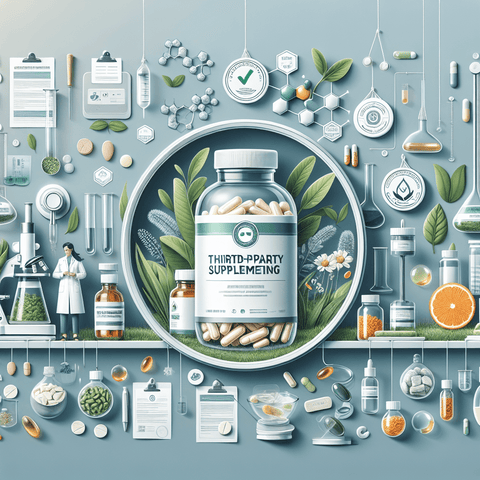
Navigating the world of dietary supplements can feel overwhelming. With countless brands and products available, determining which ones are safe, pure, and contain what they claim is a significant challenge. This is where the concept of unbiased, lab-tested vitamins becomes essential. This page serves as your introductory guide to understanding the importance of independent testing, what to look for in a certificate of analysis (COA), and how to use this information to make more informed decisions about your nutritional health.
What Does 'Unbiased, Lab-Tested' Really Mean?
At its core, a product is considered 'lab-tested' when a sample of it is sent to a laboratory for analysis. The term 'unbiased' adds a crucial layer of credibility. It signifies that the laboratory is a third party, meaning it is not owned or controlled by the supplement manufacturer. This independence is important because it helps to ensure that the testing process is objective and that the results are reported without a conflict of interest. The goal is to provide you with verifiable data that can help you evaluate a product's quality, not just trust a company's marketing claims.
An unbiased testing program relies on a foundation of transparent practices. This includes using standardized testing methods, adhering to rigorous quality controls, and ensuring the accuracy of the analytical process. In addition to verifying what is in the product, these tests are often screened for undeclared ingredients. Ultimately, this level of transparency offers a clear and direct path for you to independently verify what you are consuming.
Key Terms and Essential Concepts Explained
To effectively understand lab results, it helps to be familiar with a few key concepts. Here are some terms you will frequently encounter:
- Certificate of Analysis (COA): A formal document from a laboratory that reports the results of the tests performed on a specific product batch or lot. It details what was found and how it was measured.
- Potency: This refers to the amount of a particular active ingredient that is present in the product. The test compares this to the amount listed on the product's supplement facts panel to verify label accuracy.
- Purity: This measures the presence of unwanted substances, such as heavy metals (lead, arsenic, mercury), pesticides, or microbial contaminants. Lower levels of contaminants indicate higher purity.
- Detection Limits: This is the smallest amount of a substance that a specific test can reliably detect. It's important because it defines the sensitivity of the test for screening contaminants.
How to Read a Certificate of Analysis
While a COA can look technical, it is structured to provide clear answers about a product's quality. Here’s how you can use it to assess what you're considering purchasing.
Check Product Identification and Testing Methods
First, ensure the COA matches the specific product and lot number you are interested in, as results can vary between batches. Then, look for the testing methods used, such as High-Performance Liquid Chromatography (HPLC) or Mass Spectrometry. This tells you how the lab performed the analysis and adds to the report's credibility.
Verify Potency and Purity Results
Examine the results column for each listed ingredient. Does the result for each active ingredient fall within the acceptable range of the label claim, often expressed as a percentage? For purity, review the results for contaminants. A quality product should have results for heavy metals, for example, that are below the detection limits of the test, ensuring they are virtually absent.
The Broad Scope of Supplement Testing
Independent testing is relevant across all types of dietary supplements, from vitamins and minerals to herbal extracts and specialty formulas. The principles are the same: ensure the product contains its ingredients in the declared amounts and is free from harmful levels of contaminants. This broad application allows you to apply the same critical analysis to any supplement you might be evaluating. You can explore a wide range of supplement categories including vitamins, minerals, and herbal formulas to see how different products might present their own testing data.
For example, when looking at a multivitamin, you can verify the levels of various vitamins and minerals. When considering other types of products, you can also look for insights into ingredients and usage. The core principle of objective, third-party verification remains the same across all these product types.
topvitamine natural supplements offer an example of a product line to consider through this lens.
How To Use Lab Data for Brand Comparisons
The ultimate goal of having access to unbiased lab results is to empower you to compare products objectively. Instead of comparing marketing narratives, you can compare data. By accessing the underlying data and the criteria used to generate it, you can make side-by-side assessments based on objective metrics. This approach turns the evaluation process into a more straightforward and evidence-based exercise.
Our approach is committed to maintaining an objective and reproducible reporting process. We update information as new data becomes available, and our methods are transparently described. If you have questions, we encourage you to explore methodologies and review the source documentation to independently verify a result. This page is intended to be a starting point for understanding how this data can inform your choices, not a definitive guide to every product.
Exploring the Topic Further
This tag page is designed as a central hub to introduce you to the topic of unbiased, lab-tested vitamins. For deeper dives into specific nutrients, individual brands, and detailed comparisons, be sure to explore the blog articles associated with this topic. You can also use these guides to learn more about specific areas of interest, such as antioxidants, which are often a focus of quality testing due to their sensitivity to degradation.
Remember that the information presented here is for educational purposes and is not a substitute for personalized medical advice. When choosing nutritional supplements, it's always wise to consult with a healthcare professional, especially if you have underlying health conditions or are taking medication.
For more specific nutritional topics and to deepen your understanding of how supplements are used, you may find our mineral supplements guide helpful. It provides an overview of mineral types and general usage considerations, which are common ingredients in many tested supplement formulas.