Nutrición vegana: La guía completa de alimentación basada en plantas para la salud y la proteína


La nutrición vegana se explora desde una perspectiva respaldada por la ciencia. Esta página ofrece una guía completa basada en plantas sobre la nutrición vegana, abarcando conceptos fundamentales, el papel de las proteínas en contextos vegetales, planificación práctica de comidas y consejos para prosperar con una dieta vegana. El énfasis está en la claridad, fuentes confiables y un marco basado en la evidencia que respalda un análisis cuidadoso de la información. Los lectores encontrarán una orientación sobre cómo los investigadores estudian la nutrición vegana y cómo los profesionales traducen los hallazgos en la práctica real. El lenguaje se mantiene accesible, centrado en el tema de la nutrición vegana. En las secciones principales, la guía organiza el material en torno a conceptos clave, terminología y enfoques metodológicos en lugar de rutinas prescribeidas. Presenta términos utilizados en discusiones sobre nutrición vegana, describe los diseños de estudio comunes en el campo y señala preguntas que surgen al evaluar nueva información. El objetivo es promover una comprensión compartida y una base confiable para comparar fuentes, afirmaciones y recomendaciones dentro de la nutrición vegana. Esta estructura ayuda a los lectores a navegar la ciencia en evolución sin depender de anécdotas aisladas. Las comidas prácticas se discuten como plantillas adaptables dentro del marco de la nutrición vegana. En lugar de menús fijos, la guía ofrece marcos para planificar, equilibrar horarios y adaptar ideas a diferentes contextos. Los consejos para prosperar en una dieta vegana se enfocan en mantener el interés, buscar orientaciones confiables y construir un entorno de apoyo que se alinee con los objetivos y preferencias personales. El enfoque sigue siendo pragmático y centrado en la información, priorizando el proceso sobre reglas prescriptas. Para mantener el rigor, la guía señala los métodos de investigación actuales, técnicas de evaluación crítica y avances en la ciencia de la nutrición vegana. Ofrece referencias confiables, términos del glosario y herramientas para evaluar la información a medida que surge. El énfasis está en un marco basado en la ciencia y accesible, invitando a los lectores a explorar esta área con curiosidad y discernimiento.


Vegan Vitamins: Essential Nutrients You Might Be Missing - Topvitamine
12 de July, 2025
La vitamina B12 para veganos requiere una fuente fiable, ya que los alimentos vegetales no la aportan de forma natural y suficiente. Esta guía explica cómo obtenerla mediante alimentos enriquecidos o suplementos, qué diferencias existen entre la cianocobalamina y la metilcobalamina y por qué no conviene diagnosticar una carencia solo por los síntomas. También repasa la vitamina D, el hierro, el calcio, el zinc y los omega-3.

Vegan nutrition is the practice of nourishing your body exclusively with plant-based foods, excluding all animal products like meat, dairy, eggs, and honey. It's a dietary approach chosen for various reasons, including personal health goals, environmental concerns, and animal welfare. This guide serves as a broad introduction to vegan nutrition. It avoids strict rules, focusing instead on the key principles, central nutrients, and practical planning strategies that can help you build a healthy, balanced vegan lifestyle.

Rather than prescribing rigid meal plans, this resource is designed to be a map. It outlines the major topics within vegan nutrition, from understanding your nutrient needs to navigating the supermarket and supplement aisle. This will help you make informed choices and set you up for success on a plant-based diet.

What is Vegan Nutrition?

At its core, vegan nutrition is about understanding how to meet your body's nutritional requirements using plant sources. Because a vegan diet eliminates entire food groups, it requires a slightly different approach to meal planning compared to omnivorous diets. This involves learning about the nutrients that are most abundant in animal products and finding suitable plant-based alternatives to ensure your body gets what it needs. It's not about restriction, but about thoughtful substitution and discovery.

A well-planned vegan diet is associated with a lower intake of saturated fat and cholesterol, and a higher intake of fiber, antioxidants, and various beneficial plant compounds. It can support healthy blood pressure and a healthy body weight. However, it's essential to remember that a vegan diet is not automatically healthy. A diet of only processed snacks and sugary drinks is still unhealthy, regardless of whether it's vegan. The key is focusing on whole plant foods to create a nutritious and balanced way of eating.

Key Nutrients in a Plant-Based Diet

One of the most common questions about vegan nutrition revolves around protein. This macronutrient is fundamental for building and repairing tissues, and it's easily found in plants. Excellent sources include legumes (beans, lentils, chickpeas), tofu, tempeh, seitan, and edamame. Quinoa and soy are notable as they are complete proteins, providing all the essential amino acids your body needs. By including a variety of plant proteins throughout the day, you will easily meet your protein needs.

Beyond protein, here are other key nutrients that require attention on a vegan diet:

  • Iron: Plant-based sources include lentils, spinach, and fortified cereals. Your body absorbs iron from plants better when it's consumed with vitamin C (e.g., squeezing lemon juice over your meal or eating berries for dessert).
  • Calcium: Necessary for bone health, calcium can be found in fortified plant milks and yogurts, leafy greens like kale and bok choy, and calcium-set tofu.
  • Vitamin D: This vitamin supports immune function and bone health. Our bodies produce it from sunlight, which can be difficult in winter. Fortified foods and supplements are reliable sources for vegans.
  • Vitamin B12: This essential vitamin is almost exclusively found in animal products. Therefore, all vegans are strongly advised to include fortified foods (like nutritional yeast or plant milks) or a B12 supplement in their routine.
  • Omega-3 Fatty Acids: ALA (a type of omega-3) is found in flaxseeds, chia seeds, and walnuts, which your body can convert to other forms. Algae-based supplements are available if you need a direct source of EPA and DHA.
  • Iodine: Found in seaweed and iodized salt, iodine is crucial for thyroid health.
  • Zinc: Found in whole grains, legumes, and nuts, zinc is vital for immune function and cell growth. Soaking and sprouting beans, nuts, and seeds can improve zinc absorption.

Planning your meals to include a diverse range of these foods is the most effective strategy. For example, a bowl with lentils and quinoa for lunch and a tofu stir-fry with broccoli for dinner covers a large portion of your daily nutritional needs. Learning how these nutrients work together is the foundation of mastering vegan nutrition.

Practical Tips for Thriving on a Vegan Diet

Starting a vegan lifestyle, or simply exploring it, is easier when you have a practical framework. Rather than focusing on what you can't eat, focus on the abundance of delicious foods you can. This shift in perspective is the most important step toward sustainable and enjoyable plant-based eating.

Vegan Meal Planning

Meal planning doesn't have to be strict. A simple approach is to ensure each meal has three basic components: a source of plant protein, a serving of whole grains or starchy vegetables, and a generous portion of vegetables or fruits. This structure provides a satisfying and balanced meal. Creating a few go-to recipes for each meal type can significantly reduce daily decision fatigue. There is no need to overhaul your entire world overnight; starting with one plant-based meal a day is a great beginning.

Navigating Supplements

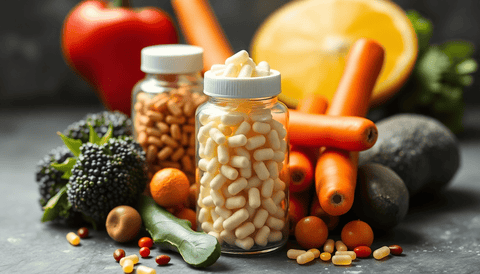
While a diet rich in whole plant foods is powerful, it can be challenging to obtain certain nutrients from food alone. This is where dietary supplements can play a supportive role, helping to fill nutritional gaps. The most commonly recommended supplement for vegans is vitamin B12, and vitamin D is also frequently needed. If you have specific health goals or are concerned about a particular nutrient, speaking with a healthcare professional or a registered dietitian can provide you with personalized advice. When choosing supplements, it's important to look for products that are clearly labeled and sourced from reputable manufacturers. You can explore various supplement types including natural supplements to see what options are available.

The Importance of Whole Foods

To thrive on a vegan diet, prioritize whole and minimally processed foods. Foods like fruits, vegetables, legumes, nuts, seeds, and whole grains are rich in fiber, vitamins, minerals, and antioxidants. While vegan burgers and packaged snacks are convenient, they should be an occasional part of your diet, not the main attraction. Building your meals around whole foods is the best way to ensure you are getting the maximum nutritional value and feel your best. This approach helps you build a dietary pattern that is both healthy and delicious, aligning with the principles of nutrient-rich superfoods.

Exploring Common Questions About Veganism

Many people are curious about the health outcomes and global practices associated with a vegan diet. Research commonly shows that plant-based diets can be a healthy choice for supporting heart health and maintaining a healthy weight. It is also true that some individuals initially adopt veganism and later change their approach for various personal reasons, which highlights the deeply personal nature of dietary choices. On a global scale, plant-based cuisine is incredibly diverse, with some cultures having a rich and long history of vegan cooking.

Even practical guidelines, like specific rules for daily eating patterns (sometimes referred to as the "30/30/30 rule"), are just one tool among many for structuring your diet. It is far more valuable to find a sustainable approach that works for your individual lifestyle and nutritional needs. Whether you are entirely new to plant-based eating or are looking for fresh ideas to enrich your current diet, understanding the core principles is your most valuable asset. The goal is to create a plan that is effective, sustainable, and enjoyable for you. For specific nutrient guidance, you may find resources on B vitamins or mineral supplements helpful.

Ultimately, vegan nutrition is about informed choice. It's about understanding your body, learning about the foods you eat, and making decisions that align with your health goals and personal values. Use this guide as a starting point to build a plant-based diet that is both health-supporting and satisfying.