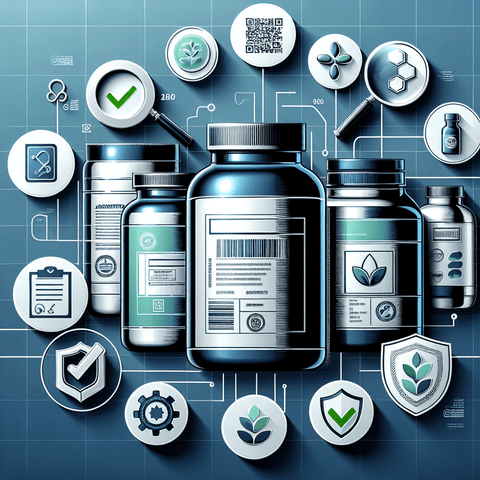
Un suplemento auténtico es aquel cuyo contenido coincide con lo declarado en la etiqueta —ingredientes, cantidades, formas y fabricante— y que se produce bajo controles de calidad adecuados. Para verificarlo, combina la revisión del envase, el lote y la fecha con las herramientas oficiales del fabricante y las certificaciones de terceros. Comprar a la marca o a un distribuidor autorizado es una de las medidas más eficaces para reducir el riesgo.
Qué significa la autenticidad de un suplemento y por qué importa
La autenticidad implica que el producto corresponde a lo que indica su etiqueta y puede vincularse con el fabricante que lo comercializa. Los productos genuinos se elaboran bajo sistemas de calidad, como las buenas prácticas de fabricación (GMP), y deberían permitir comprobar datos como el número de lote y la fecha de caducidad. Una falsificación puede imitar el envase, pero no necesariamente el contenido, los controles de fabricación ni la trazabilidad.
La adulteración consiste en añadir o incorporar sustancias que no se declaran; el «spiking» suele referirse a la adición deliberada de ingredientes activos no declarados, incluidos en ocasiones fármacos. La sustitución ocurre cuando un ingrediente se reemplaza por otro. En los tres casos, la etiqueta puede no reflejar el contenido real. El riesgo merece atención al comprar en marketplaces no oficiales, a vendedores de terceros, en redes sociales o en sitios con precios inusualmente bajos, especialmente si el envío cruza fronteras.
Entre los productos que pueden ser objeto de falsificación se encuentran vitaminas populares, como D y C, multivitamínicos, proteínas en polvo, quemagrasas, productos para el rendimiento y suplementos a base de plantas. La autenticidad puede variar en aspectos importantes:
- Contenido: el producto genuino debería coincidir con el panel de ingredientes; una falsificación podría contener menos, nada o ingredientes distintos.
- Fabricación: los productos auténticos se elaboran bajo sistemas de calidad; en una falsificación no se pueden dar por supuestos esos controles.
- Seguridad: los productos falsificados pueden presentar contaminación o contener sustancias no declaradas, aunque el aspecto exterior parezca normal.
- Trazabilidad: los productos legítimos suelen incluir lote, fecha de caducidad e información del fabricante que se puede contrastar.
Riesgos reales de tomar suplementos falsificados
Un producto falsificado podría contener rellenos, una cantidad incorrecta del ingrediente activo, ingredientes distintos de los declarados, metales pesados, contaminación microbiana o fármacos no indicados en la etiqueta. No es posible saberlo con seguridad solo por su aspecto. Si el producto no contiene el nutriente que anuncia, tampoco cumplirá la función nutricional esperada; por ejemplo, podría no aportar la vitamina D o B12 declarada. La fatiga u otros síntomas pueden tener muchas causas y no permiten identificar por sí solos una falsificación.
Cómo verificar la autenticidad de un suplemento: 8 comprobaciones prácticas
Antes de comprar y al recibir el producto, contrasta varios detalles. Ninguna comprobación aislada confirma la autenticidad, pero reunir indicios puede ayudarte a detectar discrepancias:
- Examina el envase: comprueba que los precintos estén intactos, que la impresión sea nítida y que las etiquetas estén bien alineadas. Compara el formato con las imágenes oficiales de la marca.
- Revisa el número de lote y la fecha de caducidad. Busca datos legibles y coherentes en el envase; si hay una caja exterior, comprueba que la información coincida.
- Escanea los códigos QR o utiliza los códigos de verificación del fabricante. Comprueba que conduzcan a una página oficial, no a un sitio desconocido que imite a la marca.
- Contrasta las certificaciones de terceros, como USP, NSF o Informed Choice, en el sitio del certificador. Un logotipo impreso, por sí solo, no demuestra que el producto esté certificado.
- Investiga al fabricante y al vendedor: busca datos de contacto, información sobre la distribución y opiniones que mencionen la autenticidad del producto.
- Toma el precio como una señal, no como una prueba. Un descuento muy superior al habitual —por ejemplo, del 50-70 %— puede justificar una comprobación adicional.
- Compara el panel de información con el de la presentación oficial: formas de los nutrientes, cantidades por ración, unidades y lista de ingredientes.
- Siempre que sea posible, compra directamente a la marca o a un distribuidor autorizado para reducir intermediarios y facilitar la trazabilidad.
Señales de que posiblemente hayas comprado un suplemento falso
Después de abrir el producto, observa si hay cambios llamativos respecto a una presentación oficial o a una compra anterior. Las señales posibles incluyen:
- Decoloración, manchas o comprimidos y cápsulas que se desmoronan.
- Olor rancio, químico o inesperadamente intenso.
- Polvo que se aglomera de forma anómala, tiene mal olor o presenta un sabor inusual.
- Cápsulas pegajosas, blandas o con fugas.
- Una experiencia drásticamente distinta a la de un producto genuino usado anteriormente.
Una sola señal no demuestra que el producto sea falso: el almacenamiento o las características de algunos ingredientes también pueden influir en su aspecto. Si tienes dudas, deja de usarlo mientras investigas. Conserva el envase, el recibo y el número de lote; contacta con la marca y comunica la sospecha al vendedor y a la autoridad competente de tu zona. Si aparecen efectos adversos, solicita orientación a un profesional sanitario.
Cómo leer una etiqueta de suplemento como un experto
Comprueba el tamaño de la ración, la cantidad de cada nutriente por ración y la forma en que se presenta, además del porcentaje del valor de referencia de nutrientes (VRN), cuando figure. Lee también la lista de ingredientes y la sección de otros ingredientes, donde pueden aparecer excipientes y alérgenos. La disposición y los datos obligatorios pueden variar según el producto y la normativa aplicable.
Expresiones como «avanzado» o «máxima potencia» son mensajes comerciales y no sustituyen la información concreta de la etiqueta. Contrasta las afirmaciones con los ingredientes, las cantidades y las declaraciones de salud autorizadas que correspondan. Las etiquetas falsas pueden incluir promesas llamativas y, al mismo tiempo, presentar errores en detalles como las unidades o las formas de los nutrientes.
Cómo elegir un suplemento auténtico de alta calidad
Además de confirmar la procedencia, revisa si la fórmula y el formato se ajustan a tus necesidades. La forma química puede influir en propiedades como la absorción, pero no existe una forma universalmente mejor para todas las personas o situaciones. Por ejemplo, las etiquetas pueden indicar citrato, glicinato u óxido de magnesio; metilcobalamina o cianocobalamina; y vitamina D3 o D2. Comprueba que la forma declarada coincida con la información oficial del producto.
Valora las cantidades por ración y compáralas con las referencias nutricionales pertinentes; en productos combinados, comprueba que las cantidades de cada ingrediente estén claramente indicadas. Cápsulas, comprimidos, polvos y líquidos pueden responder a preferencias distintas, pero el formato debe coincidir con el descrito por el fabricante. También conviene revisar alérgenos, tipo de cápsula, colorantes, edulcorantes y excipientes.
Busca información transparente sobre controles de calidad, GMP y análisis independientes. Las certificaciones de terceros pueden aportar información sobre aspectos evaluados, como identidad, potencia o contaminantes, pero su alcance depende del programa y no garantizan seguridad absoluta ni idoneidad para todas las personas. La autenticidad tampoco significa que el suplemento sea necesario: las necesidades pueden depender de la alimentación, la edad, el estado de salud y otros factores.
Tu lista de verificación de autenticidad antes del pago
Antes de finalizar la compra, utiliza esta lista para reunir las comprobaciones principales. Si no puedes confirmar varios datos, reconsidera la compra y busca una fuente más fiable.
- ¿Compras en la tienda oficial de la marca o a un distribuidor autorizado?
- ¿El precio es coherente con el rango minorista habitual?
- ¿Las opiniones sobre el vendedor mencionan productos genuinos y una procedencia fiable?
- ¿Las fotos y los detalles de la etiqueta coinciden con la presentación oficial?
- ¿El número de lote y la fecha de caducidad están presentes y parecen coherentes?
- ¿El código QR, holograma u otra herramienta de verificación está presente y funciona desde una página oficial?
- ¿La certificación de terceros se puede comprobar en el sitio web del certificador?
Preguntas frecuentes sobre suplementos falsificados
¿Cómo puedo verificar un suplemento en casa? Revisa precintos, impresión, lote y fecha; compara la etiqueta con las imágenes oficiales y utiliza los códigos de verificación del fabricante si están disponibles. Para una proteína en polvo, aplica las mismas comprobaciones al envase, la información nutricional, los ingredientes y el formato. Un código de barras no demuestra que el producto sea auténtico.
¿Qué diferencia hay entre un suplemento falsificado y uno adulterado? «Falsificado» suele aludir a un producto que imita la identidad o la presentación de otro; «adulterado» describe un producto cuyo contenido se ha alterado o incluye sustancias no declaradas. Un producto puede presentar ambos problemas.
¿Los suplementos de marketplaces son siempre falsos? No. Sin embargo, un vendedor de terceros puede hacer más difícil comprobar la procedencia, por lo que conviene verificar quién vende el producto y si está autorizado. Un precio bajo tampoco prueba una falsificación, aunque una diferencia drástica respecto al precio habitual es una señal de alerta.
¿Qué significan USP, NSF e Informed Choice? Son programas de terceros con criterios y alcances propios; algunos evalúan aspectos como identidad, contenido o contaminantes. Informed Sport se orienta especialmente a la evaluación de productos para deportistas respecto a sustancias prohibidas. Comprueba el producto y el alcance de la certificación directamente en la web del programa: el logotipo no equivale a una garantía absoluta.
¿Qué suplementos se falsifican con más frecuencia y qué riesgos existen? Pueden verse afectadas vitaminas populares, multivitamínicos, proteínas en polvo, productos para adelgazar o el rendimiento y suplementos vegetales. Un producto falso podría no contener lo declarado o incluir contaminantes, fármacos no declarados o cantidades incorrectas, con posibles efectos perjudiciales.
¿Las vitaminas falsas pueden tener dosis incorrectas? Sí; una cantidad distinta de la declarada puede hacer que el producto no aporte lo esperado o que la ingesta total sea inadecuada. No se puede determinar la cantidad real por el envase. Los productos caducados pueden perder calidad o potencia con el tiempo; la falta de fecha de caducidad o de lote merece cautela.
¿Debo denunciar un producto sospechoso? Conserva el envase, el recibo y el lote; contacta con el fabricante y el vendedor y comunícalo a la autoridad competente de tu zona. Si tienes síntomas o efectos adversos, consulta a un profesional sanitario.
Conclusión: compra con más criterio, verifica cada vez
Verificar la autenticidad consiste en controlar dónde compras, revisar el envase y la etiqueta, contrastar los datos con la información oficial y comprobar cualquier análisis o certificación de terceros. Ningún indicio es infalible, pero combinar varias comprobaciones ayuda a detectar discrepancias. La autenticidad no significa que un suplemento sea necesario o adecuado para todo el mundo: las necesidades varían y conviene tener en cuenta la alimentación y los hábitos, además de consultar a un profesional sanitario ante una afección, medicación, embarazo o lactancia. Una compra informada permite tomar decisiones más prudentes sobre la suplementación.