Remedios para la deficiencia de vitamina A: formas simples y seguras de restaurar la visión y la inmunidad
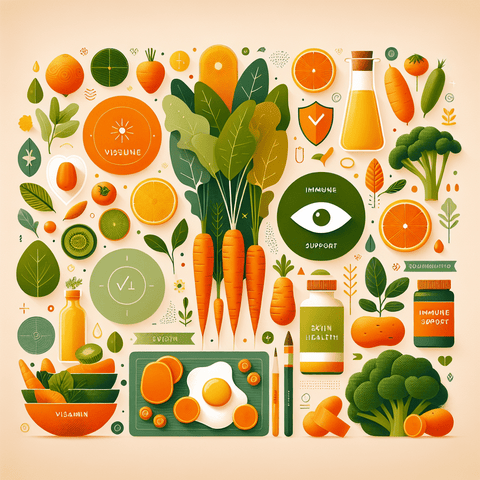

Descubra remedios para la deficiencia de vitamina A y cómo se relacionan con el apoyo a la visión y la inmunidad mediante enfoques seguros y sensatos. Esta página presenta una visión equilibrada que enfatiza el pensamiento crítico, fuentes confiables y orientación personalizada en lugar de afirmaciones de soluciones rápidas. Plantea la idea de que el estado de vitamina A es una parte del panorama general de la salud y que el consejo profesional es importante para interpretar signos de advertencia y seleccionar los próximos pasos. El contenido pretende ayudarle a navegar la información de manera responsable y a evitar decisiones autoadministradas que podrían no ser apropiadas para su situación. Se pueden discutir pasos prácticos y sencillos en el contexto de remedios para la deficiencia de vitamina A, centrándose en la conciencia, el monitoreo y la búsqueda de orientación confiable. El énfasis está en entender lo que dicen las fuentes reputadas y cómo conectarse con profesionales de la salud para evaluar las necesidades. Esta página fomenta hacer preguntas informadas, documentar los síntomas y considerar la historia médica como parte de cualquier plan. Los signos de advertencia y cuándo buscar orientación médica son fundamentales para una atención segura. Si surgen preocupaciones persistentes sobre la visión, la inmunidad u otros aspectos relacionados con la salud, se recomienda una evaluación profesional. El objetivo de esto es ayudarte a reconocer cuándo es necesario consultar con un especialista en lugar de tomar medidas autoadministradas. Para quienes exploran remedios para la deficiencia de vitamina A, el camino más confiable es hablar con profesionales de la salud calificados que puedan adaptar el consejo a las circunstancias individuales. Esta página apoya tu búsqueda de remedios para la deficiencia de vitamina A, ayudándote a evaluar la evidencia y a determinar los próximos pasos adecuados, priorizando siempre la seguridad y la precisión.


Which vitamin A is the best? - Topvitamine
25 de October, 2025
La mejor vitamina A depende de tu dieta, tus necesidades y tu estado de salud. El retinol es vitamina A preformada y el organismo puede utilizarlo directamente, mientras que el beta-caroteno procede principalmente de alimentos vegetales y se convierte según las necesidades del cuerpo. Esta guía compara ambas formas, explica sus fuentes y riesgos, responde preguntas frecuentes y ofrece criterios prácticos para elegir un suplemento de vitamina A.
What is the best vitamin A supplement? - Topvitamine
17 de October, 2025
El mejor suplemento de vitamina A depende de la forma, la dosis y tus necesidades nutricionales. Esta guía compara el retinol con el betacaroteno, explica las cantidades de referencia, reúne alimentos ricos en vitamina A y aclara los principales riesgos de un exceso. También encontrarás respuestas sobre los huevos, la obtención natural de vitamina A y cuándo conviene consultar con un profesional sanitario.

Vitamin A deficiency remedies cover a range of approaches, from dietary changes and food fortification to targeted supplementation under professional supervision. This page provides a broad overview of the topic, helping you understand what vitamin A deficiency is, why it matters, and which remedy categories are commonly discussed. It is intended as a navigation hub that complements the more specific articles associated with this tag.

What Vitamin A Deficiency Means

Vitamin A is a fat-soluble nutrient involved in normal vision, immune function, reproduction and skin health. Deficiency develops when the body does not receive or absorb enough vitamin A over time to maintain its stores. It can result from inadequate dietary intake, conditions that impair fat absorption, or increased physiological demands during periods such as growth, pregnancy or illness.

Because vitamin A status interacts with overall nutrition and health, deficiency is rarely an isolated issue. Addressing it effectively often means considering diet quality, underlying health conditions and individual risk factors rather than focusing on a single remedy in isolation.

Main Categories of Vitamin A Deficiency Remedies

Remedies for vitamin A deficiency are generally discussed in three broad categories: dietary improvement, fortification, and supplementation. Each has a different role depending on the individual's situation, and they are often used together rather than in isolation.

Dietary Sources

Increasing intake of vitamin A-rich foods is a common first-line approach. Preformed vitamin A is found in animal-derived foods such as liver, eggs, dairy products and oily fish. Provitamin A carotenoids, including beta-carotene, are found in plant foods such as carrots, sweet potatoes, pumpkin, spinach, kale and other leafy greens. The body converts these carotenoids into vitamin A, although conversion efficiency varies.

Fortification

In some regions, staple foods such as sugar, cooking oil, flour and rice are fortified with vitamin A as a public health measure. Fortification can help increase population-level intake without requiring major dietary changes, and it is often part of broader nutrition programs.

Supplementation

Vitamin A supplements are available in various forms and dosages. They may be recommended in specific situations, such as confirmed deficiency, certain medical conditions, or periods of increased need. Because vitamin A is fat-soluble and can accumulate in the body, supplementation is best discussed with a healthcare professional who can consider individual factors and safe intake levels.

Vitamin A Rich Foods to Consider

A varied diet that includes a mix of preformed vitamin A and provitamin A carotenoids can help support vitamin A status. Examples include:

  • Liver and other organ meats
  • Eggs and dairy products
  • Oily fish
  • Carrots, sweet potatoes and pumpkin
  • Spinach, kale and other leafy greens
  • Red bell peppers and tomatoes

For those looking to explore vitamin A supplement options, our vitamin A benefits, sources and safety category provides a useful starting point.

Factors That May Affect Vitamin A Status

Several factors can influence how much vitamin A the body absorbs or retains. These include:

  • Overall diet quality and the presence of dietary fat, which aids absorption
  • Conditions affecting fat absorption, such as certain gastrointestinal or liver conditions
  • Life stages with increased nutritional demands, including pregnancy, breastfeeding and childhood
  • Genetic differences in the conversion of provitamin A carotenoids to retinol
  • Alcohol consumption, which can affect vitamin A metabolism and liver storage

General Considerations for Safe Supplementation

Vitamin A supplements are not a one-size-fits-all remedy. Dosage, form and duration of use matter, and excessive intake of preformed vitamin A can lead to adverse effects over time. For this reason, supplementation is best approached with professional guidance, particularly for people who are pregnant, breastfeeding, taking other medications, or managing a chronic health condition.

If you are considering supplements as part of a broader nutritional strategy, you can also explore our multivitamins guide for context on how vitamin A fits into a wider supplement routine.

When to Seek Medical Advice

Persistent vision changes, recurring infections, or concerns about nutritional status are reasons to speak with a qualified healthcare provider. They can assess whether vitamin A deficiency is relevant to your situation, recommend appropriate testing where needed, and help you choose safe next steps. Self-directed high-dose supplementation is generally not advisable because of the potential for accumulation and adverse effects.

Exploring Related Nutritional Topics

Vitamin A works alongside other nutrients in supporting normal body functions. If you are exploring broader nutritional support, our natural supplements collection offers a wider view of available product categories. Related topics such as vitamin D, B vitamins and vitamin C are also covered elsewhere on the site, and the articles associated with this tag provide more specific explorations of individual questions and use cases.