Alimentos ricos en vitamina A: principales fuentes para mejorar la visión y la inmunidad


Descubre alimentos ricos en vitamina A y sugerencias prácticas para nutrir tus ojos y defensas. La vitamina A se presenta en dos formas: vitamina A preformada en productos animales y carotenoides provitamina A en coloridos alimentos de origen vegetal. Esta página se centra en fuentes prácticas, intercambios fáciles y cantidades diarias, con énfasis en ideas claras y accionables para incorporar alimentos ricos en vitamina A en las comidas diarias. Encontrarás información neutral y amigable para la cocina, que evita centrarse en resultados específicos y hace hincapié en la obtención y planificación de alimentos. Las fuentes prácticas de alimentos ricos en vitamina A abarcan opciones tanto animales como vegetales. Para la vitamina A preformada, los elementos comunes incluyen huevos y productos lácteos fortificados. Para los carotenoides provitamina A, ejemplos típicos son alimentos vegetales coloridos como zanahorias, batatas, espinaca, kale, pimientos rojos y mangos. Al planear una semana de comidas, intenta incluir una variedad de estos alimentos para ampliar tus fuentes de vitamina A y mantener las comidas variadas. Entre los intercambios fáciles para incorporar más alimentos ricos en vitamina A en las comidas habituales se incluyen elegir batatas en lugar de papas blancas, reemplazar las hojas verdes claras por espinaca o kale, y agregar pimientos o mangos a los bocadillos y tazones. Mantén un suministro de productos lácteos fortificados y huevos para proporcionar vitamina A en porciones convenientes, y usa verduras congeladas para adiciones rápidas. La idea aquí es la incorporación práctica, más que hacer afirmaciones sobre efectos específicos. Las cantidades diarias recomendadas de alimentos ricos en vitamina A, expresadas en microgramos de equivalentes de actividad de retinol (RAE), varían según la edad y el sexo. La orientación general indica que los hombres adultos necesitan unos 900 mcg RAE al día y las mujeres adultas unos 700 mcg RAE al día, con mayores requerimientos durante el embarazo o la lactancia y menores en ciertos casos. Un plan práctico distribuye la ingesta en las comidas, por ejemplo, combinando una porción de vegetales con una porción de lácteos y una fuente de proteínas. Siempre revisa las etiquetas de nutrición y considera la variedad para cumplir con las cantidades diarias recomendadas de alimentos ricos en vitamina A, manteniéndote dentro de las guías oficiales.


Which food is rich in vitamin A? - Topvitamine
16 de December, 2025
Los alimentos ricos en vitamina A incluyen fuentes animales con retinol, como el huevo y los lácteos, y alimentos vegetales con carotenoides, como la zanahoria, la batata y las espinacas. Esta guía explica qué opciones elegir, cómo consumirlas para favorecer la absorción, qué papel tienen en la visión y por qué conviene controlar el exceso de retinol procedente del hígado o los suplementos.
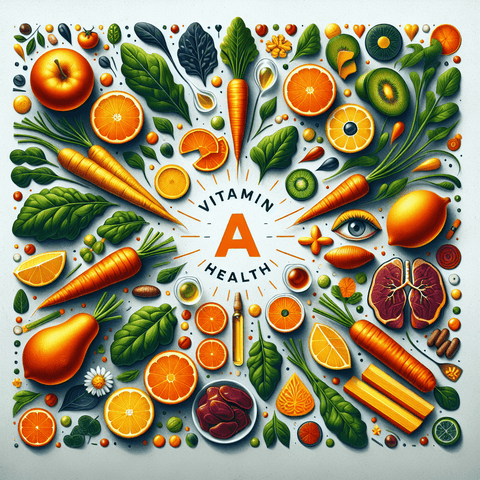
Where is a lot of vitamin A? - Topvitamine
24 de October, 2025
Los alimentos con vitamina A incluyen el hígado y los lácteos, que aportan retinol, además de zanahorias, boniatos, espinacas y otras verduras, ricas en carotenoides como el beta-caroteno. Esta guía explica sus funciones en la visión, la piel y el sistema inmunitario, cómo mejorar su absorción, qué signos requieren valoración profesional y por qué conviene tener precaución con los suplementos de dosis altas.

Vitamin A-rich foods include a wide range of animal and plant products, from eggs, oily fish, dairy and liver to carrots, sweet potatoes, spinach, kale, red peppers and mangoes. This page provides a broad overview of the topic: what vitamin A is, the main food sources, how daily amounts are expressed, and practical considerations for incorporating these foods into everyday meals. More specific questions are covered in the related articles associated with this tag.

What Is Vitamin A? Preformed Retinol vs. Provitamin A Carotenoids

Vitamin A is a fat-soluble vitamin that contributes to the normal function of the immune system and supports the maintenance of normal vision and skin. In food, it appears in two distinct forms, and knowing the difference helps explain why food lists for vitamin A look so varied.

  • Preformed vitamin A (retinol): found in animal products such as eggs, oily fish, dairy products and liver. The body can use this form directly.
  • Provitamin A carotenoids (such as beta-carotene): found in colorful plant foods. The body converts these carotenoids into active vitamin A, with conversion efficiency varying between individuals and food types.

This distinction matters in practice: people who eat few animal products can still obtain vitamin A from plant sources, but the amounts and conversion rates differ from preformed retinol. A mixed diet that draws on both groups is the simplest way to broaden intake.

The Main Vitamin A-Rich Foods

Foods high in vitamin A generally fall into two groups. The following lists provide broad, kitchen-friendly examples rather than precise per-serving values, which vary by product, portion size and preparation method.

Animal-based sources of preformed vitamin A

  • Eggs, particularly the yolk.
  • Oily fish, such as salmon and other fatty fish varieties.
  • Dairy products, including milk, butter and fortified dairy items.
  • Liver, which is an especially concentrated source of preformed vitamin A.

Plant-based sources of provitamin A carotenoids

  • Carrots and sweet potatoes.
  • Dark leafy greens such as spinach and kale.
  • Red bell peppers.
  • Fruits such as mangoes and apricots.

Many of these plant foods overlap with other nutrient-dense categories. For readers interested in broadening this area of their diet, our superfoods category offers additional food-based options.

Daily Amounts: Understanding mcg RAE

Official vitamin A requirements are expressed in micrograms of retinol activity equivalents (mcg RAE), a unit that accounts for both preformed vitamin A and converted carotenoids. General reference guidance places adult men around 900 mcg RAE per day and adult women around 700 mcg RAE per day, with different levels applying during pregnancy or lactation and lower or adjusted needs in some circumstances.

A workable meal-planning approach is to distribute intake across the day rather than relying on a single source: for example, combining a serving of vegetables with a dairy portion and a protein source. Nutrition labels and official reference values can help translate these figures into realistic portions. Precise tracking is not usually necessary when the diet already includes a variety of the foods listed above.

Absorption and Practical Incorporation Tips

Because vitamin A is fat-soluble, a few simple kitchen habits can support how well carotenoid-rich foods are used by the body:

  • Pair carotenoid-rich vegetables, such as carrots, sweet potato, spinach or kale, with a source of dietary fat, such as olive oil, nuts or dairy.
  • Use easy swaps: choose sweet potatoes over white potatoes, use darker greens instead of lighter salad leaves, and add peppers or mangoes to snacks and bowls.
  • Keep convenient staples on hand, such as eggs, fortified dairy and frozen vegetables, so that vitamin A sources are easy to add to regular meals.

Cooking and storage can influence how much vitamin A or beta-carotene a food ultimately delivers, and certain factors can affect the body's vitamin A status. These more detailed questions, including how different preparation methods and lifestyle factors play a role, are addressed in the individual articles under this tag.

Vitamin A in Supplements: Where They Fit

For most people eating a varied diet, vitamin A-rich foods are the primary route to meeting daily needs. Supplements can provide vitamin A or beta-carotene in concentrated form, and they are often included in multivitamin formulations. As with any fat-soluble vitamin, intake above recommended levels is a consideration, so anyone thinking about supplements should check labels, compare amounts with official guidelines, and consult a qualified professional where appropriate. Our vitamin A supplements collection provides an overview of the available options, and our multivitamins guide category can help readers who prefer a broader, combined formulation.

Key Considerations at a Glance

To summarize the main practical takeaways for vitamin A-rich foods:

  1. Include a mix of animal and plant sources to cover both preformed vitamin A and provitamin A carotenoids.
  2. Pair carotenoid-rich foods with dietary fat and check labels for mcg RAE values.
  3. Stay within official guidelines, and seek personalized advice from a qualified professional when in doubt.

The information on this page is general and educational in nature and is not intended as personalized medical advice. Explore the related articles below for deeper dives into specific vitamin A topics.