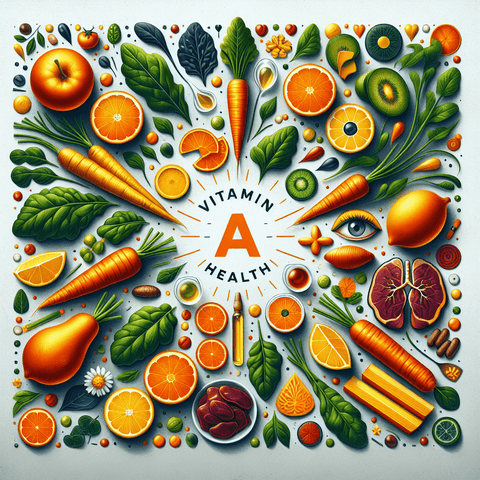
Vitamin A is a term used for a group of fat-soluble compounds that are vital for human health. It is not a single substance, which is an important distinction when exploring vitamin A sources. This page serves as your comprehensive guide to understanding the different forms of vitamin A, the foods that provide them, and the factors to consider for optimal intake.
Whether you're interested in animal-derived retinol or plant-based carotenoids, this hub provides the essential knowledge to navigate your dietary choices. We will explore the main types of vitamin A, the best food sources, and the broad principles of using supplements safely and effectively.
Understanding the Two Main Forms of Vitamin A
To effectively identify vitamin A sources, you must first understand that the nutrient comes in two distinct forms: preformed vitamin A and provitamin A carotenoids.
Preformed vitamin A, also known as retinol, is the active form of the vitamin that your body can use directly. It is found exclusively in animal-derived foods and some fortified products. This form is highly bioavailable, meaning your body absorbs it very efficiently.
Provitamin A carotenoids, such as beta-carotene, alpha-carotene, and beta-cryptoxanthin, are antioxidants found in plant foods. These are not active vitamin A but must first be converted by your body into retinol. The conversion process is not 100% efficient and can vary based on individual factors, but these sources are still an important part of a healthy diet.
Animal Sources: Rich in Retinol
Animal-derived foods provide the most potent and readily usable form of vitamin A. These are your primary vitamin A sources for retinol.
- Liver (beef, chicken, or pork) is exceptionally high in vitamin A.
- Eggs, particularly the yolks, provide a moderate amount.
- Dairy products like whole milk, cheese, and butter contain retinol.
- Some types of fish, such as salmon and tuna, are also good sources.
Plant Sources: Rich in Beta-Carotene
Plant-based vitamin A sources are abundant and feature a wide range of colorful fruits and vegetables. The key nutrient to look for is beta-carotene, which gives these foods their characteristic orange, yellow, and dark green colors.
- Sweet potatoes and carrots are among the richest vegetable sources.
- Leafy greens such as spinach, kale, and Swiss chard are excellent options.
- Squash, pumpkin, and red bell peppers are also great choices.
- Fruits like mango, cantaloupe, and apricots provide carotenoids as well.
The Top Vitamin A Foods for Your Diet
If you're asking, "What are the top vitamin A foods?", the answer includes a mix of both animal and plant products. Here are 12 excellent sources to consider adding to your meals.
- Beef liver: By far the most concentrated source of retinol.
- Sweet potato: A powerhouse of beta-carotene.
- Carrots: A familiar and convenient plant source.
- Spinach: A leafy green packed with carotenoids.
- Kale: Another excellent leafy green option.
- Red Bell Peppers: A crunchy, colorful vegetable source.
- Mango: A tropical fruit rich in beta-carotene.
- Eggs: A nutritious and versatile animal source.
- Cantaloupe: A hydrating fruit with a good amount of provitamin A.
- Dried Apricots: A convenient, shelf-stable source of carotenoids.
- Pumpkin: A seasonal favorite rich in beta-carotene.
- Fortified Dairy or Plant Milks: An easy way to add vitamin A to your routine.
Practical Tips for Serving Sizes and Daily Use
Incorporating vitamin A sources into your daily meals is simpler than you might think. A balanced approach involves portion control and frequency. Here are some practical serving size ideas to help you visualize what an adequate intake looks like.
- One medium carrot (about 60 calories) provides over 100% of the daily value for vitamin A.
- A half-cup serving of cooked spinach is a highly concentrated green source.
- One cup of chopped raw kale is a substantial serving for a salad or smoothie.
- A single large egg contributes a modest but useful amount of retinol.
- Half a cup of mashed sweet potato is a filling and nutritious side dish.
- An eight-ounce glass of fortified milk provides a standard serving of vitamins, including vitamin A.
It is generally recommended to obtain nutrients from whole foods first. A varied diet with multiple servings of colorful produce and moderate animal products will usually provide sufficient vitamin A for most people.
Vitamin A Supplements: When and How to Consider Them
While food sources are the best way to meet your vitamin A needs, supplements can be useful for certain individuals, such as those with restrictive diets or specific health conditions that impair absorption. If you are considering a supplement, it's crucial to understand the different types.
- Retinyl palmitate or retinyl acetate: These are forms of preformed vitamin A commonly found in supplements.
- Beta-carotene: This is the provitamin A carotenoid used in most plant-based or vegan supplements.
- Mixed carotenoids: Some supplements provide a blend of beta-carotene and other carotenoids like lutein and zeaxanthin.
When choosing a supplement, consider your dietary pattern. If you eat animal products, a retinol-based supplement may be appropriate. If you follow a vegan or vegetarian diet, a beta-carotene supplement is more suitable. Remember to check the dosage and consult a healthcare professional, as vitamin A is fat-soluble and excess amounts are stored in the body.
Important Considerations and Signs of Low Intake
Maintaining an adequate intake of vitamin A is important, but more is not always better. The body tightly regulates its vitamin A levels, and both deficiency and excess can cause problems. Here are some broad considerations to keep in mind.
Potential Signs of Deficiency
Questions like "How can I tell if I am low in vitamin A?" highlight the importance of recognizing potential symptoms. A deficiency is rare in developed countries, but certain signs may indicate an issue.
- Night blindness, or difficulty seeing in low light, is one of the earliest signs.
- Dry skin or a dry, rough eye condition may also be a sign.
- Increased susceptibility to infections could result from a weakened immune system.
If you suspect a deficiency, it is important to see a healthcare provider for a proper diagnosis rather than self-treating.
The Role of Vitamin A in the Body
To answer the broad question, "What does vitamin A do to the body?", we can look at its vital functions. It is essential for maintaining normal vision, particularly in dim light. It supports the normal function of the immune system, helping the body defend against infections. Furthermore, it contributes to the maintenance of healthy skin and mucous membranes.
Exploring the Topic Further
This hub page offers a broad overview of vitamin A sources. For more detailed information on specific aspects of this nutrient, we have a library of helpful resources. You can explore our dedicated collection on vitamin A benefits, sources, and safety for a deeper look. For those interested in the broader nutritional picture, our guide to multivitamins and their ingredients can provide context on how vitamin A fits into a balanced supplement routine.
Remember, this information is for educational purposes and should not replace professional medical advice. Always speak to a qualified healthcare provider about your individual nutritional needs and whether a vitamin A supplement is right for you.