
Descubra la guía definitiva sobre las fuentes alimenticias de vitamina B12. Esta página se centra en carne, mariscos, lácteos, huevos y opciones enriquecidas, ofreciendo una visión práctica sobre tamaños de porción fáciles, metas diarias y ideas de comidas sabrosas. Al enfocarse en las fuentes de vitamina B12, el contenido ayuda a comprender cómo diferentes categorías contribuyen a planificar comidas y porciones equilibradas. En las secciones de carne y mariscos, encontrará notas neutrales sobre los tamaños de porción típicos y cómo se relacionan con las metas diarias. Por ejemplo, las metas diarias comúnmente citadas para adultos son alrededor de 2.4 microgramos por día, y la guía muestra cómo varias porciones pueden ajustarse a ese objetivo. Las secciones de lácteos y huevos presentan tamaños de porción comunes, mientras que las opciones enriquecidas se explican con detalles orientados a las etiquetas. A lo largo del documento, el énfasis permanece en las fuentes de vitamina B12 y en una orientación práctica y clara para planificar porciones. Para ideas orientadas al sabor, la página presenta una variedad de recetas sabrosas que incluyen fuentes de vitamina B12 sin hacer afirmaciones sobre efectos o beneficios. Piensa en platillos sencillos con alto contenido de proteínas, boles con mariscos, desayunos o meriendas reconfortantes ricos en lácteos, platos centrados en huevos y el uso de productos enriquecidos en cereales o comidas a base de granos. Estas ideas muestran cómo diferentes fuentes pueden combinarse en comidas diarias manteniendo en vista los tamaños de porción y las metas diarias. Utilice esta guía como una referencia útil para explorar las fuentes alimenticias de vitamina B12 y diseñar planes de comida. Las secciones sobre carne, mariscos, lácteos, huevos y opciones enriquecidas ofrecen un marco sencillo para tamaños de porción fáciles y metas diarias, además de ideas adaptables para gustos personales. Si tiene necesidades o preguntas específicas, considere consultar a un profesional para obtener orientación personalizada.
Fuentes dietéticas de vitamina B12: la guía definitiva para opciones alimenticias ricas
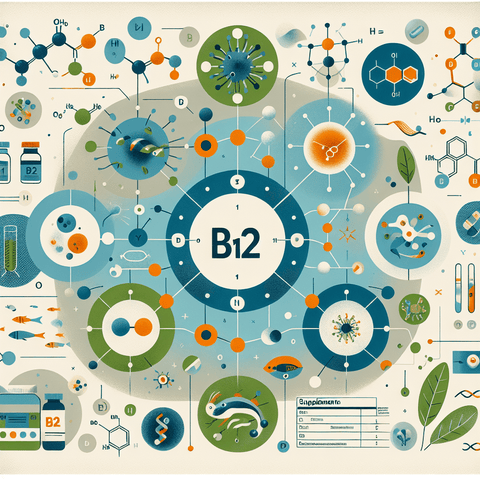
Vitamin B12 dietary sources are the foods and fortified products that contribute this water-soluble nutrient to the diet. Because the body does not make usable vitamin B12 on its own, food and supplements are the practical routes to intake. This tag page brings together the main categories of vitamin B12 dietary sources, the differences between animal-based and plant-oriented options, and the general context around serving sizes and daily targets.
The sections below are designed as a broad overview. More specific questions, such as signs of deficiency or individual medical concerns, are better suited to dedicated articles and healthcare professionals.
What Counts as a Vitamin B12 Dietary Source?
Vitamin B12 occurs naturally in animal-derived foods and is added to certain fortified products. This means vitamin B12 dietary sources generally fall into two broad groups: natural animal-based foods and fortified foods. Some foods, such as certain breakfast cereals and plant-based milks, carry added vitamin B12, while others such as nutritional yeast may also be fortified. Labels are usually the clearest way to confirm whether a product contributes vitamin B12 and how much a serving provides.
Because vitamin B12 is water-soluble and the body does not produce it in usable amounts, regular intake from a variety of sources is commonly discussed in general nutrition guidance. The exact amount an individual needs can vary, and general references such as national health bodies provide broad intake figures rather than personalized recommendations.
Main Categories of Vitamin B12 Dietary Sources
The broad food categories most often associated with vitamin B12 are meat and poultry, seafood, dairy, eggs and fortified foods. Each category offers different practical options for meals and snacks.
Meat and Poultry
Meat and poultry are commonly cited as vitamin B12 dietary sources. Organ meats, such as liver, tend to appear near the top of many food lists, while beef, pork, chicken and other common cuts also contribute. Typical serving sizes vary by food and preparation, and general references often list vitamin B12 content in micrograms per serving. This category can fit into a range of dishes, from simple protein-forward plates to soups, stews and grain-based meals.
Seafood
Seafood is another well-known group of vitamin B12 dietary sources. Clams, mussels, sardines, salmon, tuna and other fish and shellfish are frequently mentioned in nutrition references. Serving sizes vary, and some seafood options are commonly eaten in smaller portions than meat, which is one reason mcg-per-serving values can differ across the category. Seafood also fits into a variety of meal formats, including bowls, salads and simple grilled or baked dishes.
Dairy
Milk, yogurt and cheese are familiar vitamin B12 dietary sources in many diets. These foods are often consumed in everyday portions, such as a glass of milk, a yogurt cup or a slice of cheese, which makes them practical to include in breakfast, snacks and cooked dishes. General references typically list vitamin B12 content per standard serving, and labels on dairy products can help confirm the amount in a given portion.
Eggs
Eggs are commonly included among vitamin B12 dietary sources, with the nutrient found mainly in the yolk. They are versatile and can be prepared in many ways, from boiled and scrambled to baked into dishes. As with other foods, the amount of vitamin B12 per serving depends on the size and number of eggs, and general references provide broad figures rather than exact values for every preparation.
Fortified Foods and Plant-Oriented Options
Fortified foods are an important part of the vitamin B12 dietary sources picture, especially for people who limit or avoid animal products. Certain breakfast cereals, plant-based milks, plant-based yogurts and nutritional yeast may be fortified with vitamin B12. Because fortification is not universal, labels are the most reliable way to check whether a product contributes vitamin B12 and how much a serving provides. This category is often discussed alongside natural animal-based sources rather than as a replacement for them.
Animal vs Plant Sources: A High-Level Comparison
Natural vitamin B12 dietary sources are concentrated in animal foods, while plant foods generally do not contain vitamin B12 unless they are fortified. This difference is one reason fortified products are often highlighted in discussions of plant-oriented eating patterns. The table below offers a broad, non-exhaustive comparison of the two groups.
- Animal-based sources: meat, poultry, seafood, dairy and eggs are commonly cited as natural vitamin B12 dietary sources.
- Plant-oriented sources: plain plant foods generally do not contain vitamin B12; fortified cereals, plant-based milks and nutritional yeast may contribute if vitamin B12 is added.
- Label reading: for fortified products, the nutrition label is the clearest way to confirm whether vitamin B12 has been added and how much a serving provides.
- Serving sizes: mcg-per-serving values vary widely across foods, so comparing categories is best done using consistent serving sizes from general nutrition references.
Daily Targets, Serving Sizes and Absorption
General nutrition references commonly cite an average daily intake target for adults of around 2.4 micrograms of vitamin B12, though needs can vary with age, life stage and individual circumstances. This figure is a broad reference point rather than a personalized recommendation. Food lists with mcg values per serving can help readers see how different portions might fit toward that target, but they are not a substitute for individual guidance.
Absorption is another factor that general guidance often mentions. The body's ability to absorb vitamin B12 can differ depending on the food, the amount consumed and individual factors. This is one reason nutrition references tend to emphasize regular intake from a variety of vitamin B12 dietary sources rather than relying on a single food. For personal questions about intake, absorption or deficiency risk, a healthcare professional is the appropriate source of guidance.
How Vitamin B12 Dietary Sources Fit Into Meals
One practical way to approach vitamin B12 dietary sources is to think in terms of meal patterns rather than isolated foods. Animal-based options can be combined with grains, vegetables and legumes in familiar formats, while fortified products can be included in breakfasts, snacks or plant-oriented dishes. Keeping an eye on serving sizes and label information can make it easier to see how different foods contribute across a day.
- Breakfast ideas: yogurt with fruit, eggs with whole-grain toast, or fortified cereal with plant-based milk.
- Lunch and dinner ideas: seafood bowls, chicken or meat dishes with grains and vegetables, or dairy-based sides.
- Snack and light meal ideas: cheese with crackers, a boiled egg, or a fortified plant-based yogurt.
- Plant-oriented ideas: fortified plant-based milk in smoothies or oats, and fortified nutritional yeast used in savory dishes.
These examples are broad illustrations rather than a meal plan. They show how vitamin B12 dietary sources can appear across different eating styles without implying specific health outcomes.
Supplements and Vitamin B12 Dietary Sources
Food is the main route discussed on this page, but vitamin B12 supplements are also widely available and are sometimes mentioned alongside dietary sources in general nutrition guidance. Supplements are a separate product category with their own considerations, including formulation, labeling and individual suitability. Readers who want to explore supplement options in a broader context can browse the vitamin B complex and B-vitamin category or the wider natural supplements collection for related products. Multivitamin formulas are another area where vitamin B12 may appear; the multivitamins guide covers general ingredient and usage topics. These links are provided for navigation, not as a suggestion that supplements are necessary or beneficial for any particular person.
Important Considerations When Reading About Vitamin B12
General information about vitamin B12 dietary sources is best read as educational context, not as personalized medical advice. Food lists and daily intake figures are broad references that can help with meal planning, but they do not account for individual health status, medications or life stage. If you have specific questions about vitamin B12, deficiency risk or whether a supplement is appropriate for you, a healthcare professional can provide tailored guidance.
For broader reference, authoritative organizations such as the NIH Office of Dietary Supplements, the NHS and Harvard Health publish general information about vitamin B12 and other nutrients. These sources can be useful starting points for readers who want to go deeper without relying on a single page.
Exploring Vitamin B12 Dietary Sources Further
This tag page is intended as a broad map of vitamin B12 dietary sources rather than an exhaustive reference. It introduces the main food categories, the difference between animal-based and fortified options, and the general context around serving sizes and daily targets. More specific questions, such as signs of deficiency, individual intake needs or comparisons between particular foods, are better suited to dedicated articles and professional guidance. Used together, these resources can help readers build a clearer, more confident picture of where vitamin B12 appears in the diet.