Beneficios de la vitamina C: fortalece el sistema inmunológico, la salud de la piel y más


Desbloquea el poder completo de la vitamina C con una visión clara de sus beneficios. Esta página se centra en los beneficios de la vitamina C documentados científicamente, mostrando cómo los investigadores describen los roles que desempeña esta micronutriente en la fisiología humana. La vitamina C es un nutriente soluble en agua que participa en una variedad de procesos bioquímicos, y entender sus beneficios comienza con la química y la forma en que el cuerpo la procesa. Los beneficios clave de la vitamina C incluyen su función como un cofactor esencial para varias enzimas, apoyando la síntesis de colágeno, la formación de carnitina y ciertas vías de neurotransmisores, además de actuar como antioxidante que ayuda a proteger las biomoléculas del estrés oxidativo. La absorción y distribución en los tejidos determinan cómo se manifiestan estos beneficios, con el cuerpo regulando la absorción en función de la ingesta y las reservas. Consejos prácticos y dosis diarias para los beneficios de la vitamina C: Las pautas generales designan aproximadamente 75 mg por día para mujeres adultas y 90 mg por día para hombres adultos como ingestas de referencia; el nivel superior tolerable es de 2000 mg por día para evitar posibles efectos adversos por dosis altas. Para mantener una ingesta constante, considera distribuir la ingesta en las comidas y mantener un patrón diario estable en lugar de dosis grandes e infrecuentes. Si consideras la suplementación, consulta con un profesional de la salud para ajustar el consumo según tus necesidades individuales y medicamentos. Hechos respaldados por la ciencia y seguridad: los beneficios de la vitamina C son estudiados como parte de la ciencia más amplia de la nutrición; la vitamina C es soluble en agua y no se almacena en grandes cantidades, siendo eliminada en la orina en exceso. Su papel como antioxidante y cofactor ha sido estudiado en numerosos modelos y contextos, y la investigación en curso continúa perfeccionando nuestra comprensión de las relaciones dosis-respuesta. Comprender los beneficios de la vitamina C desde esta perspectiva resalta el equilibrio entre alcanzar una ingesta adecuada y evitar dosis excesivas, guiado por pautas establecidas y consejos individualizados.


What are the benefits of taking high doses of vitamin C? - Topvitamine
03 de November, 2025
La vitamina C participa en la función normal del sistema inmunitario, la formación de colágeno y la protección antioxidante. Sin embargo, tomar más no significa obtener más beneficios: las dosis altas pueden causar molestias digestivas y requieren precaución en personas con enfermedad renal, antecedentes de cálculos o medicación. En este artículo explicamos sus posibles usos, fuentes, límites de seguridad y cómo elegir un suplemento con criterio.
Which illnesses does vitamin C help with? - Topvitamine
22 de October, 2025
La vitamina C y las enfermedades se relacionan sobre todo con la función normal del sistema inmunitario, la protección antioxidante y la síntesis de colágeno. No es un tratamiento ni cura para infecciones, pero una ingesta adecuada ayuda a cubrir las necesidades nutricionales. En este artículo encontrarás sus funciones, fuentes alimentarias, relación con el resfriado, formas de suplementación, cantidades de referencia y precauciones.

What happens to your body when you start taking vitamin C? - Topvitamine
16 de October, 2025
Qué le pasa al cuerpo al tomar vitamina C depende de tu ingesta habitual y de tus necesidades. Este nutriente participa en la formación de colágeno, la función del sistema inmunitario, la absorción del hierro y la protección frente al estrés oxidativo. Una alimentación variada suele ser la base; los suplementos pueden ser útiles en algunos casos, pero no sustituyen una evaluación profesional ni garantizan prevenir enfermedades.
The Truth About Vitamin C: Myths, Benefits & Best Forms | Topvitamine - Topvitamine
21 de August, 2025
Esta guía explica cuál puede ser la mejor forma de vitamina C según la tolerancia y el objetivo de cada persona. Compara el ácido ascórbico, la vitamina C tamponada y la liposomal, además de revisar sus funciones en el organismo, las fuentes alimentarias, la dosis de referencia y las precauciones. También responde qué buscar en un suplemento y si la vitamina C tópica puede aplicarse en el cuello.

The Best Vitamins for Immune System Support in 2025 | Topvitamine - Topvitamine
10 de July, 2025
Las vitaminas para el sistema inmunológico pueden contribuir al funcionamiento normal de las defensas, especialmente cuando existe una ingesta insuficiente. Esta guía explica el papel de la vitamina C, la vitamina D, el zinc, la vitamina B6 y el selenio, junto con hábitos como dormir bien y seguir una dieta variada. También responde cómo apoyar las defensas sin soluciones rápidas y qué precauciones tener antes de elegir suplementos.
Zinc vs. Vitamin C: Choosing the Best Immune Supplement | Topvitamine - Topvitamine
06 de July, 2025
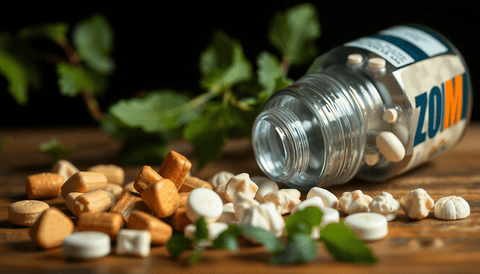
La vitamina C y el zinc contribuyen al funcionamiento normal del sistema inmunitario, pero no son equivalentes. Este artículo compara sus funciones, fuentes, formas de suplementación y precauciones. También explica si pueden tomarse juntos, cuál es el momento más práctico para hacerlo y qué tener en cuenta si se usan a diario. La elección depende de la alimentación, las necesidades individuales y la etiqueta del producto.

Vitamin C is one of the most widely discussed nutrients in health and nutrition. Known scientifically as ascorbic acid, this water-soluble vitamin is essential for human health because the body cannot synthesize it on its own. As a result, people must obtain it through food, beverages, or supplements. On this page, we explore the broad vitamin C benefits, how it functions in the body, where to find it, and what to consider when using supplements. This overview is designed to give you a clear, science-based map of the topic, while our dedicated articles dive deeper into specific questions.

What Is Vitamin C and Why Is It Important?

Vitamin C is a nutrient that participates in a variety of biochemical processes. Its primary role in the body is as a cofactor for several enzymes, meaning it helps these enzymes perform their functions. One of the most notable processes involving vitamin C is the synthesis of collagen, a structural protein that is vital for the health of skin, tendons, ligaments, and blood vessels.

In addition to its role in collagen production, vitamin C acts as an antioxidant. This means it helps protect cells from oxidative stress, which can be caused by free radicals—unstable molecules that can damage cellular structures. By neutralising these free radicals, vitamin C contributes to the body's natural defence system.

Because the body regulates vitamin C levels carefully, absorption changes based on how much is already stored. Understanding this dynamic is key to appreciating why consistent daily intake matters more than occasionally consuming large amounts.

Key Vitamin C Benefits and Their Role in Human Physiology

Vitamin C is associated with several important physiological functions. While research continues, the following areas are generally recognised as central to its benefits:

  • Collagen synthesis: Vitamin C is required for the enzymatic steps that stabilise collagen molecules, supporting healthy skin, blood vessels, bones, and cartilage.
  • Antioxidant protection: As an antioxidant, vitamin C helps protect biomolecules from oxidative stress, which is part of normal cellular metabolism.
  • Immune function: Vitamin C contributes to the normal function of the immune system, a key reason it is frequently associated with immune health.
  • Carnitine and neurotransmitter production: Vitamin C serves as a cofactor for enzymes involved in the production of carnitine, which is involved in energy metabolism, and for certain neurotransmitters.

These roles illustrate why vitamin C is needed for overall health. However, it is important to note that these benefits are about supporting normal physiological functions, not about treating or curing any specific condition. Ongoing research continues to refine our understanding of dose-response relationships and the full spectrum of vitamin C's effects.

Dietary Sources of Vitamin C

A balanced diet can usually provide an adequate amount of vitamin C. The nutrient is found naturally in a wide range of plant-based foods. Some of the most well-known and accessible sources include:

  • Citrus fruits such as oranges, grapefruits, and lemons
  • Berries, including strawberries, blueberries, and raspberries
  • Vegetables like bell peppers, broccoli, Brussels sprouts, and tomatoes
  • Leafy greens such as spinach and kale

Because vitamin C is water-soluble, it can be lost during cooking, especially when foods are boiled. To preserve the vitamin C content, consider consuming these foods raw, steamed, or lightly cooked.

General Recommendations for Daily Intake

Understanding how much vitamin C to take is a common question. General guidelines for reference intake are 75 mg per day for adult women and 90 mg per day for adult men. These amounts are intended to meet the needs of most healthy individuals.

The tolerable upper intake level (UL) for vitamin C is 2000 mg per day. This is the highest level of daily intake that is likely to pose no risk of adverse effects for almost all individuals. Taking doses higher than this may lead to digestive discomfort, such as diarrhoea or stomach cramps.

For optimal absorption, it is often suggested to spread vitamin C intake throughout the day rather than taking one large dose. This is because the body's absorption efficiency decreases when intake is very high in a single sitting.

Vitamin C Supplements: Forms and Considerations

For those who struggle to meet their vitamin C needs through diet alone, supplements are a practical option. They come in various forms, including tablets, capsules, chewables, powders, and liposomal formulations. The most common form is ascorbic acid, but other forms like sodium ascorbate or calcium ascorbate are also available, which may be gentler on the stomach.

When choosing a supplement, it is important to consider factors such as dosage, form, and any additional ingredients. If you are considering vitamin C supplements, it is advisable to consult with a healthcare professional. This is particularly important if you have underlying health conditions or are taking other medications, as vitamin C can interact with certain drugs.

Signs of Vitamin C Deficiency

While deficiency is less common in developed countries, inadequate intake can lead to symptoms. Historically, a severe lack of vitamin C caused scurvy, a disease characterised by fatigue, gum disease, and poor wound healing. In modern contexts, low vitamin C levels may manifest as:

  • Fatigue and weakness
  • Slow wound healing
  • Dry or damaged skin
  • Bleeding gums or nosebleeds
  • Aching joints or muscles

If you suspect you may have a vitamin C deficiency, it is important to consult a healthcare provider for proper evaluation and personalised dietary or supplement advice.

Safety, Side Effects, and Interactions

Vitamin C is water-soluble, meaning that excess amounts are typically excreted in urine. This generally makes it safe for most people, but high doses can cause adverse effects such as:

  • Digestive issues, including diarrhoea and stomach cramps
  • Increased risk of kidney stones in susceptible individuals when consumed in very high doses over long periods

For people with certain conditions, such as hemochromatosis (iron overload) or a history of kidney stones, high-dose vitamin C supplements should be used with caution. Vitamin C can enhance the absorption of non-heme iron (the type found in plant foods), which is generally beneficial for those with iron deficiency but could be problematic for others.

As with any dietary supplement, it is essential to speak with a healthcare professional before starting vitamin C, especially if you are pregnant, nursing, or taking prescription medications. They can help determine the appropriate dosage and ensure there are no potential interactions.

Exploring the Science of Antioxidants

Vitamin C is often discussed alongside other antioxidants. Its role as an antioxidant is central to many of its perceived benefits. To understand this aspect better, it is helpful to explore the broader topic of antioxidants and how they work in the body to neutralise free radicals. The science of antioxidants is complex and fascinating, offering a wider context for understanding how nutrients like vitamin C support health.

Further Reading and Resources

This page provides a broad overview of vitamin C benefits and its role in the body. For those interested in a focused approach, our Vitamin C collection provides more specific information on how this nutrient supports immunity, antioxidant defence, and energy metabolism.

To further build your understanding of nutritional supplements, you may also find our natural supplements overview helpful, as it covers a range of nutrients and how they can complement a balanced lifestyle.