Apoyo inmunológico con vitamina C: fortalece tu sistema inmune hoy con consejos simples y efectivos


Apoyo inmunológico con vitamina C: Esta página se centra en el apoyo inmunológico con vitamina C como un marco para entender la información, las rutinas y las recomendaciones sobre mantenerse informado acerca de temas de salud a lo largo del tiempo. Resalta ideas sencillas y prácticas—rutinas fáciles que puedes incorporar, estrategias para identificar información confiable y perspectivas de expertos que te ayuden a navegar entre las recomendaciones en evolución. El énfasis está en la claridad y en contenido equilibrado en lugar de en una afirmación específica, para que puedas formar tu propia opinión informada sobre el apoyo inmunológico con vitamina C. Las rutinas fáciles para el apoyo inmunológico con vitamina C se enfocan en la consistencia y la accesibilidad. Considera pequeños hábitos repetibles, como dedicar unos minutos cada día para revisar fuentes confiables, mantener un archivo pequeño con los puntos clave y usar recordatorios para revisar tu plan de información. Estas rutinas están diseñadas para ajustarse a una agenda ocupada y apoyar un compromiso continuo con el tema, sin presionarte para cambiar tus rutinas de forma abrupta. Las mejores fuentes para el apoyo inmunológico con vitamina C implican evaluar la fiabilidad y diversidad de la información. Busca materiales provenientes de investigación revisada por pares, directrices oficiales, revisiones sistemáticas y resúmenes profesionales. Aprende a verificar la autoría, las fechas de publicación, la solidez de la evidencia y posibles conflictos de interés. En lugar de promover un elemento en particular, esta sección te ayuda a reconocer tipos de fuentes confiables y a construir tu propia biblioteca relacionada con el apoyo inmunológico con vitamina C. La orientación de expertos para la salud duradera enfatiza la interpretación responsable y el consejo personalizado. Busca opiniones de profesionales calificados cuando sea apropiado, mantente actualizado con las recomendaciones de organizaciones de salud reconocidas o cuerpos científicos, y practica el pensamiento crítico al encontrarte con nueva información. Esta página pretende apoyarte en acceder y aplicar perspectivas de expertos sobre el apoyo inmunológico con vitamina C de manera reflexiva y equilibrada, contribuyendo a un hábito de información resiliente a lo largo del tiempo.


What is the healthiest immune support supplement? - Topvitamine
22 de July, 2026
What is the healthiest immune support supplement?There is no single best immune support supplement for everyone. The healthiest choice is determined by your own diet, lifestyle, and nutrient needs. This guide explains what immune support really means, the difference between boosting and supporting your immune system, and why a personalized approach always beats the latest trend.Key nutrients and ingredients to prioritize for immune healthEvidence-based ingredients like vitamin C, zinc, vitamin D, elderberry, and probiotics each play specific roles in normal immune function. We break down what each nutrient does, who may need it, and how to evaluate a supplement label for dosage, quality, and transparency.A step-by-step framework for choosing your supplementFollow a clear process: audit your diet and sun exposure, prioritize evidence over hype, check forms and dosages, and never skip a safety review for medication interactions. The healthiest supplement for you addresses a real gap, fits your tolerances, and earns your trust through third-party testing—not bold marketing claims.
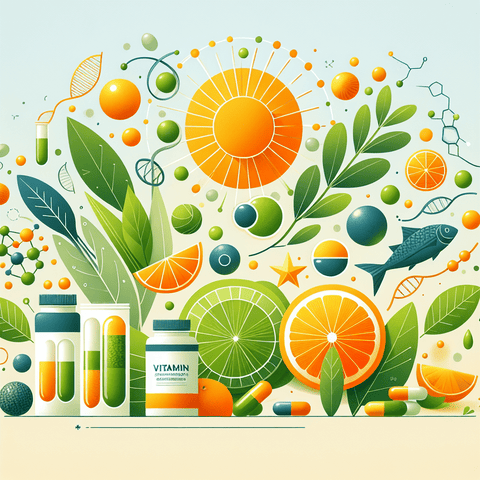
Which is better, vitamin D or C? - Topvitamine
13 de October, 2025
La vitamina D y la vitamina C son nutrientes esenciales, pero no cumplen la misma función. La vitamina D destaca por su relación con la absorción de calcio, los huesos y el funcionamiento normal del sistema inmunitario; la vitamina C participa en el colágeno, la protección antioxidante y la absorción del hierro. Esta guía compara sus fuentes, cantidades orientativas, seguridad y criterios para valorar un suplemento.
Zinc vs. Vitamin C: Choosing the Best Immune Supplement | Topvitamine - Topvitamine
06 de July, 2025
La vitamina C y el zinc contribuyen al funcionamiento normal del sistema inmunitario, pero no son equivalentes. Este artículo compara sus funciones, fuentes, formas de suplementación y precauciones. También explica si pueden tomarse juntos, cuál es el momento más práctico para hacerlo y qué tener en cuenta si se usan a diario. La elección depende de la alimentación, las necesidades individuales y la etiqueta del producto.

Vitamin C is one of the most well-known nutrients, often associated with supporting the immune system. This page serves as a comprehensive hub for understanding vitamin C's role in immune health, its food sources, supplement options, and the broader context of a healthy lifestyle. Here, we map out the essential information you need, providing a foundation for exploring more specific topics in greater depth.

What Is Vitamin C and Why Is It Important?

Vitamin C, also known as ascorbic acid, is an essential water-soluble vitamin. This means the body cannot produce it on its own, so it must be obtained through diet or supplementation. It plays a vital role in various bodily functions beyond immune support, including the formation of collagen, the absorption of iron, and the maintenance of healthy skin, bones, and blood vessels.

As a powerful antioxidant, vitamin C helps protect cells from damage caused by free radicals—unstable molecules that can contribute to oxidative stress. This antioxidant activity is a key reason why the nutrient is considered important for overall health and well-being, complementing its more specific role in supporting the normal function of the immune system.

Vitamin C and Its Role in Immune Health

Vitamin C contributes to immune defense in multiple ways. It supports the production and function of white blood cells, which are crucial for fighting off infections. Additionally, as an antioxidant, it helps protect these immune cells from damage. While adequate vitamin C is essential for a healthy immune response, it's important to note that taking high doses does not prevent colds, though some research suggests it may slightly reduce the duration of a cold.

The relationship between vitamin C and immunity is complex and involves various pathways. For most people, maintaining a consistent, adequate intake is more beneficial than occasionally consuming very high doses. This approach supports the body's daily needs and helps ensure the immune system has the resources it requires to function effectively as part of an overall healthy lifestyle.

Dietary Sources of Vitamin C

A diet rich in fruits and vegetables is the best way to ensure an adequate intake of vitamin C. Many foods are naturally high in this nutrient, making it relatively easy to meet daily recommendations through nutrition alone.

Excellent sources include:

  • Citrus fruits such as oranges, grapefruits, and lemons
  • Berries like strawberries, raspberries, and blueberries
  • Kiwi fruit
  • Bell peppers, particularly red and green varieties
  • Cruciferous vegetables like broccoli, Brussels sprouts, and cauliflower
  • Leafy greens such as spinach and kale
  • Tomatoes and tomato juice

Cooking methods can affect vitamin C content, as it is sensitive to heat and water. To preserve nutrients, consider steaming or lightly cooking vegetables rather than boiling them, and enjoy raw fruits and vegetables whenever possible.

Understanding Vitamin C Supplements

Supplements can be a practical way to support your vitamin C intake, especially for individuals with dietary restrictions or increased needs. They are available in a variety of forms, each with its own characteristics.

Common Forms of Vitamin C Supplements

The most common form is ascorbic acid, which is highly effective and affordable. Other forms include mineral ascorbates, such as sodium ascorbate or calcium ascorbate, which are less acidic and may be gentler on the stomach. There are also time-release formulas designed to release the vitamin slowly over several hours.

When choosing a supplement, consider factors such as your personal tolerance, the form of vitamin C, and the presence of additional ingredients. It is always a good idea to speak with a healthcare professional for personalized advice, especially if you are considering higher doses or have specific health concerns.

For those interested in exploring Vitamin C products, you can browse the vitamin C collection for a range of options. A well-rounded approach to wellness may also include other essential nutrients; exploring a guide to multivitamins can help you understand how different vitamins work together.

Practical Considerations for Supplementation

When incorporating any supplement into your routine, it is important to do so thoughtfully. Here are some general points to consider:

  • Aim for a balanced diet first, using supplements to fill gaps rather than replace food.
  • Follow the dosage instructions on the product label unless advised otherwise by a healthcare professional.
  • Be aware that very high doses of vitamin C may cause digestive discomfort for some people.
  • Inform your doctor about all supplements you are taking, especially if you have existing health conditions.

The broader context of immune health includes other micronutrients and lifestyle factors. For example, a guide to mineral supplements can provide insight into how minerals like zinc and selenium also play a role in supporting the immune system.

Building a Holistic Immune Support Routine

Vitamin C is just one piece of the puzzle when it comes to immune health. A truly effective approach is holistic, integrating good nutrition with other healthy habits. This includes regular physical activity, managing stress, getting enough quality sleep, and staying hydrated. These factors work together to strengthen the body's natural defenses.

Instead of seeking a 'magic bullet', focus on building a sustainable routine that supports your overall well-being. This page provides a foundation for understanding vitamin C's role within this larger framework. For more specific questions, such as the best form of vitamin C for your needs or how it interacts with other nutrients, we encourage you to explore the related articles listed on this page.