
Bienvenido a una página dedicada a smoothies ricos en vitamina D. Estas mezclas rápidas y deliciosas aportan un toque soleado a tu rutina. Con ingredientes simples y preparación rápida, puedes preparar una bebida satisfactoria en minutos que se ajusta a un día ocupado. Cómo preparar smoothies ricos en vitamina D: comienza con una base de tu elección—agua, leche o una alternativa sin lácteos—luego añade fruta y un pequeño puñado de verduras si quieres. Un chorro de cítricos o una pizca de especias puede terminar el sabor. Aquí tienes algunas plantillas rápidas para empezar: plátano + naranja + yogur para una mezcla cremosa. Mango + piña + leche de coco para notas tropicales. Frutos rojos + espinaca + leche de almendra para una mezcla vibrante. Puedes combinar los ingredientes a tu gusto para crear tu propia versión. Hazlo rápido y simple: pica o pre-porciona los ingredientes con antelación, congélalos en bolsas individuales para mezclar al instante, y mezcla durante aproximadamente un minuto hasta que esté suave. Usa la función de pulso de tu licuadora para deshacer los trozos y ajusta la consistencia con más líquido o hielo. Tener un conjunto pequeño de ingredientes listos para usar te ayuda a preparar una bebida en minutos. Siéntete libre de personalizar con diferentes bases, agregar semillas o cereales como topping, o añadir un toque de vainilla o canela para variar. La colección de smoothies ricos en vitamina D está diseñada para ofrecer opciones de mezcla y combinación que se adapten a tus preferencias y tu horario.
Batidos ricos en vitamina D: formas rápidas y deliciosas de aumentar tu exposición diaria al sol
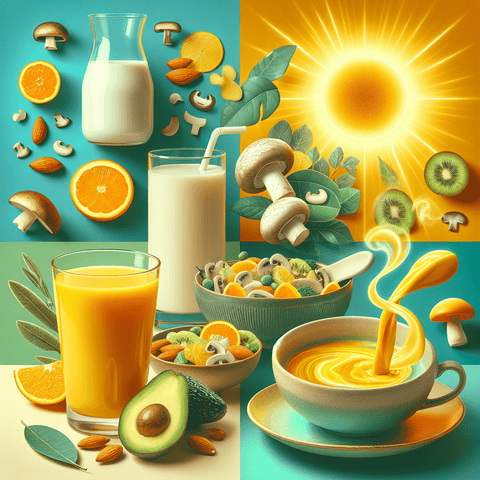
Welcome to a topical hub for vitamin D-rich smoothies. These blended drinks are a practical way to combine ingredients that may contribute vitamin D with fruits, vegetables and other components that support a balanced diet. Whether you are looking for quick breakfast ideas, post-workout refreshment or a simple way to use fortified products, smoothies offer a flexible format. This page explains the broad picture: what vitamin D is, where it comes from, which smoothie-friendly ingredients may contain it, and how to build drinks that fit your routine. It is designed to complement the more specific recipes and articles you will find across this site.
What Is Vitamin D and Why Does It Matter?
Vitamin D is a fat-soluble nutrient that plays a role in normal bone maintenance, muscle function and immune system function. The body can produce vitamin D when skin is exposed to sunlight, and it can also be obtained from certain foods and supplements. Because sun exposure varies with season, latitude, skin tone and lifestyle, dietary sources can be useful for many people. Public health guidance in many countries includes vitamin D as a nutrient of concern, especially during winter months or for people with limited sun exposure.
Vitamin D is found naturally in only a few foods. Fatty fish, egg yolks and some mushrooms that have been exposed to UV light are among the natural sources. Fortified foods—such as milk, plant-based milks, orange juice and some cereals—also contribute vitamin D in many markets. Smoothies are not a traditional source of vitamin D, but they can include several of these ingredients in a single drink.
For a broader overview of vitamin D, including its functions, dietary sources and safety considerations, you can explore our vitamin D benefits, sources and safety collection.
Smoothie-Friendly Ingredients That May Contain Vitamin D
Because vitamin D is not widely distributed in fruits and vegetables, the ingredients that matter most in a smoothie context are those that are naturally rich or fortified. The list below covers the main categories you may encounter.
- Fortified dairy milk: In many countries, cow's milk is fortified with vitamin D. It can serve as a smoothie base and contributes both vitamin D and protein.
- Fortified plant milks: Soy, almond, oat and other plant-based milks are often fortified with vitamin D. Check the label, as fortification varies by brand and region.
- Fortified orange juice: Some orange juice products are fortified with vitamin D. A small amount can be used as a liquid base or flavour component in smoothies.
- UV-exposed mushrooms: Certain mushrooms that have been exposed to ultraviolet light may contain vitamin D2. They can be blended into savoury smoothies or finely chopped and added to fruit-based blends, though the flavour is distinctive.
- Yogurt: Some yogurts are fortified with vitamin D, and others contain small amounts naturally. Yogurt adds creaminess and may contribute other nutrients such as calcium and protein.
- Egg yolks: Egg yolks contain small amounts of vitamin D. While not a typical smoothie ingredient, some recipes include pasteurised egg or egg-based powders.
- Fatty fish: Fatty fish is a natural source of vitamin D, but it is not commonly used in sweet smoothies. Savoury smoothie recipes may include small amounts of fish or fish oil, though this is a niche approach.
It is worth repeating that fortification practices differ. A product that is fortified in one country may not be fortified in another. Always check the nutrition label if vitamin D content is important to you. For a wider look at micronutrients that support bone and muscle health, you may also explore our calcium benefits, bone and muscle health collection.
How to Build a Vitamin D-Rich Smoothie
Building a smoothie that includes vitamin D sources is straightforward once you know which ingredients to prioritise. The general approach is to start with a base that may contain vitamin D, then add fruits, vegetables and other components for flavour and texture.
Choose a base
Fortified dairy milk, fortified plant milk or fortified orange juice can serve as the liquid base. Water and coconut water do not typically contain vitamin D but can be used if other ingredients provide it.
Add vitamin D sources
If your base is not fortified, consider adding fortified yogurt, UV-exposed mushrooms or a small amount of fortified juice. These ingredients can raise the vitamin D content of the final drink.
Include a fat source
Vitamin D is fat-soluble, so blending it with a source of fat may support absorption. Nut butters, seeds, avocado, yogurt and full-fat milks are common options.
Add fruits and vegetables
Bananas, berries, mango, pineapple, spinach and kale are popular choices. They contribute flavour, fibre and a range of other vitamins and minerals. Most fruits and vegetables contain little or no vitamin D, but they make the smoothie more nutritious overall.
Adjust flavour and texture
A squeeze of citrus, a pinch of cinnamon or vanilla, or a small amount of honey or maple syrup can round out the flavour. Adjust thickness with more liquid or ice. Blend for about a minute until smooth, using the pulse function if needed.
Template Ideas for Vitamin D-Rich Smoothies
The templates below illustrate how different ingredients can be combined. They are starting points, not strict recipes. Adjust quantities to taste and check product labels for vitamin D content.
- Creamy banana and orange: fortified milk or fortified orange juice, banana, a spoonful of yogurt, and a pinch of cinnamon.
- Tropical blend: fortified coconut milk or soy milk, mango, pineapple and a small handful of spinach.
- Berry and spinach: fortified almond milk, mixed berries, spinach and a spoonful of almond butter.
- Savoury mushroom: fortified plant milk, UV-exposed mushrooms, a small amount of cooked quinoa or oats, and a pinch of salt and pepper.
These templates can be adapted for dietary preferences and ingredient availability. If you use fortified products, the vitamin D content will depend on the specific brand and serving size.
Nutritional Context and Practical Considerations
The vitamin D content of a smoothie depends almost entirely on the fortified or natural sources you include. A smoothie made with unfortified plant milk and fruit may contain little or no vitamin D. A smoothie made with fortified milk, fortified yogurt and fortified orange juice may contain a more meaningful amount. Because fortification levels vary, it is difficult to provide a universal nutritional breakdown without knowing the exact products used.
For general nutritional context, vitamin D recommendations are typically expressed in international units (IU) or micrograms (mcg). Many public health bodies set a daily reference intake for adults, and fortified foods can contribute to that total. However, individual needs vary based on age, sun exposure, diet and health status. This page does not provide personalised dosage advice. If you have questions about your vitamin D intake, a healthcare professional can help.
Smoothies can be a useful vehicle for other nutrients as well. Depending on the ingredients, they may contribute calcium, potassium, vitamin C, fibre and protein. If you are interested in other vitamin categories, our vitamin C benefits, immunity and antioxidant support collection provides a broad overview.
Common Questions About Vitamin D and Drinks
People often ask which drinks are highest in vitamin D or how to raise vitamin D levels quickly. The honest answer is that no single drink is a guaranteed high source unless it is fortified or made with fortified ingredients. Fortified orange juice, fortified milk and fortified plant milks are among the drinks that may contain added vitamin D. For food sources, fatty fish, egg yolks and UV-exposed mushrooms are among the natural options. Raising vitamin D levels quickly is not something a smoothie alone can reliably do; it depends on overall diet, sun exposure and possibly supplements. Anyone concerned about deficiency should seek professional guidance.
Another common question is whether vitamin D can be taken with specific medications, such as diltiazem. That is a medication-interaction question that depends on individual circumstances and should be directed to a doctor or pharmacist. This page does not provide medical advice on interactions.
Exploring Vitamin D-Rich Smoothies Further
This tag page is a starting point for understanding vitamin D-rich smoothies at a broad level. It covers the main ingredient categories, practical building principles and nutritional context. More specific recipe articles, ingredient comparisons and detailed nutritional breakdowns are available in the individual posts associated with this tag. If you are looking for supplements or related product categories, you can browse our natural supplements collection. As always, this information is educational and not a substitute for personalised medical or dietary advice.