Fuentes de vitamina D: La guía definitiva sobre la luz solar, alimentos y suplementos


Las fuentes de vitamina D son el enfoque de esta página, presentando una visión general que se centra en el término fuentes de vitamina D. La Guía Definitiva para la Luz Solar, los Alimentos y los Suplementos señala un recorrido por las principales vías donde se discute este nutriente, incluyendo la exposición natural, los productos fortificados y las opciones de suplementación. El objetivo es ofrecer una visión clara y neutra de cómo las personas hablan sobre las fuentes de vitamina D y qué consideraciones acompañan a cada categoría. Las principales fuentes se describen en términos generales: la exposición relacionada con la luz solar como un conducto natural, los productos fortificados que contienen nutrientes añadidos y los suplementos independientes diseñados para diversos contextos. Esta sección se mantiene neutral, señalando que estas categorías se mencionan con frecuencia en las discusiones sobre las fuentes de vitamina D sin respaldar ningún artículo o dosis específicos. Las necesidades diarias de vitamina D varían y dependen de factores personales y ambientales. Esta página no establece cifras universales; más bien, destaca que las necesidades diarias se interpretan de manera diferente según el contexto. Se recomienda a los lectores que consideren las directrices locales y consulten a profesionales calificados para obtener orientación personalizada sobre las fuentes de vitamina D. Los consejos prácticos para interactuar con las fuentes de vitamina D se centran en una evaluación cuidadosa y en la toma de decisiones seguras e informadas. Verifique la credibilidad de las fuentes, revise cualquier información de seguridad o etiquetado, y aborde cualquier recomendación con conciencia de las circunstancias personales. El objetivo es dotar a los lectores de una comprensión equilibrada de las fuentes de vitamina D y ayudarlos a abordar el tema con claridad y cautela.


Is it better to take vitamin D or vitamin D3? - Topvitamine
02 de March, 2026
La vitamina D es un término general que incluye principalmente la D2 y la D3. En suplementos, la vitamina D3 o colecalciferol suele elevar y mantener mejor la 25(OH)D que la D2, aunque ambas pueden ser útiles. Descubre sus diferencias, quién puede necesitar suplementación, qué relación tiene con la diabetes y qué debes revisar antes de elegir un producto.
Which fruit is rich in vitamin D? - Topvitamine
09 de December, 2025
Las frutas con vitamina D son prácticamente inexistentes en estado natural. Algunos zumos pueden estar enriquecidos, pero la fruta fresca no suele aportar cantidades relevantes. En este artículo explicamos qué alimentos contienen vitamina D, el papel de los hongos expuestos a luz UV y cómo elegir productos fortificados o suplementos. También respondemos qué frutas aportan más calcio y cómo incluir este mineral en una alimentación equilibrada.
What is the difference between Vitamin D and D3? - Topvitamine
22 de November, 2025
La vitamina D es un término general que incluye principalmente la D2 y la D3. Ambas contribuyen al metabolismo normal del calcio y a la salud ósea, pero la D3 suele elevar y mantener la 25-hidroxivitamina D en sangre de forma más constante. Esta guía explica sus diferencias, fuentes, posible deficiencia, seguridad y criterios prácticos para elegir un suplemento.
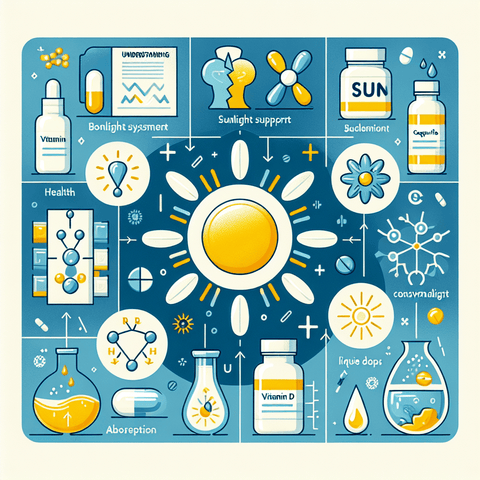
What's the difference between vitamin D3 and vitamin D? - Topvitamine
28 de October, 2025
La vitamina D es un término general que incluye principalmente la vitamina D2 y la D3. La D3, también llamada colecalciferol, suele elevar y mantener la 25-hidroxivitamina D en sangre con mayor eficacia que la D2, aunque la elección depende de la alimentación, la exposición solar, la salud y las indicaciones profesionales. Esta guía explica sus diferencias, fuentes, usos, seguridad y relación con la diabetes y la artritis.
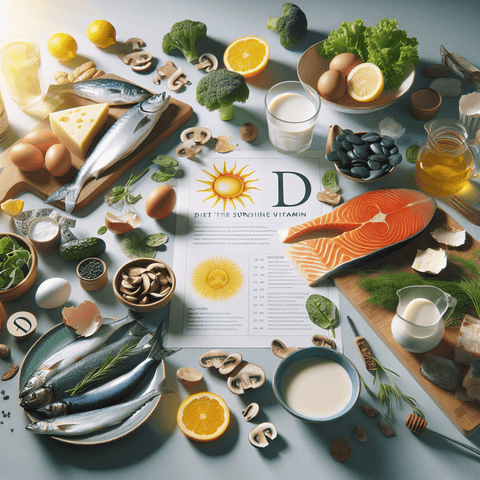
What are 10 foods rich in vitamin D? - Topvitamine
13 de October, 2025
Los alimentos ricos en vitamina D incluyen pescados grasos, huevos, hongos expuestos a luz ultravioleta y productos fortificados. En esta guía encontrarás cantidades orientativas, ideas sencillas para incorporarlos a la dieta y diferencias entre la vitamina D2 y la D3. También explicamos qué significa que un alimento esté fortificado y cuándo conviene consultar a un profesional antes de utilizar un suplemento de vitamina D.

What is the difference between vitamin D and vitamin D3? - Topvitamine
12 de October, 2025
La diferencia entre vitamina D y D3 es que vitamina D es un término general que incluye D2 y D3, mientras que la D3, o colecalciferol, suele elevar y mantener mejor la 25-hidroxivitamina D en sangre. Este artículo explica sus fuentes, funciones, dosis orientativas, seguridad y qué tener en cuenta al elegir un suplemento, sin sustituir la valoración de un profesional sanitario.

Vitamin D is one of the few nutrients the human body can produce itself, which makes the topic of vitamin D sources unusually interesting. Sunlight, food and supplements all play a part, and each works in a different way. This page provides a broad overview of the main vitamin D sources, the practical considerations attached to each one, and the context needed to make sense of the more specific articles associated with this tag.

Many people look into this topic because vitamin D intake varies widely between individuals. Diet, lifestyle, geographic location and the season all influence how much vitamin D a person is exposed to, and no single source suits everyone. Understanding the full map of options makes it easier to have an informed conversation with a healthcare professional about personal circumstances.

What Is Vitamin D?

Vitamin D is a fat-soluble nutrient that the body can make in the skin when it is exposed to ultraviolet B (UVB) rays in sunlight. For this reason it is often called the “sunshine vitamin”. It is also one of the most widely discussed nutrients in public health guidance, and it is frequently mentioned alongside calcium, as the two nutrients are commonly considered together in the context of bone health. Readers researching both nutrients can browse our calcium supplements category as a natural starting point.

Sunlight: The Natural Vitamin D Source

When UVB sunlight reaches the skin, the body begins the process that produces vitamin D. This is why sunlight is usually described as the primary natural source, and why vitamin D levels are often discussed in relation to season and geography. The amount of vitamin D the skin can produce is not fixed; it depends on a range of personal and environmental factors:

  • Season and time of year, with production generally lower during winter at higher latitudes
  • Time of day, as UVB intensity changes throughout the day
  • Latitude and local climate
  • Skin tone, which affects how skin responds to UVB exposure
  • Age, as vitamin D production in the skin is often described as changing over a lifetime
  • Time spent outdoors and how much skin is exposed
  • Use of sunscreen, clothing and shade, all of which limit the UVB that reaches the skin

Because these factors interact in complex ways, no universal amount of sun exposure can be recommended for vitamin D purposes. Skin-safety guidance should always take priority, since prolonged, unprotected exposure increases the risk of skin damage. Anyone trying to balance vitamin D production with skin protection is best served by following the sun-safety advice published by their national health authorities.

Food Sources of Vitamin D

Dietary vitamin D comes from two directions: foods that naturally contain the nutrient, and foods to which vitamin D has been added during manufacturing. Naturally rich sources are relatively limited compared with many other vitamins, which is one reason fortification exists and why vitamin D intake is a recurring theme in dietary guidance around the world.

Naturally Vitamin D-Rich Foods

The foods most commonly associated with natural vitamin D content include:

  • Oily fish such as salmon, mackerel, sardines and herring
  • Cod liver oil and other fish liver oils
  • Egg yolks
  • Liver and other organ meats
  • Certain mushrooms, particularly varieties grown or treated with ultraviolet light

The vitamin D content of these foods varies considerably depending on the species, farming method, season and preparation. Food composition tables and product labels are therefore the most reliable way to compare specific items.

Fortified Foods

In many countries, manufacturers add vitamin D to everyday staple products to help people increase their intake. Commonly fortified products include milk, plant-based drinks, yoghurt, margarine, spreads and breakfast cereals, although the exact list differs by country and brand. Because fortification is voluntary in many markets, two seemingly similar products can contain very different amounts, which makes label checking a useful habit for anyone relying on fortified foods as a regular vitamin D source.

Vitamin D Supplements

Supplements form the third broad source of vitamin D. They are available as standalone products, as part of multivitamin formulas and in combination products with other nutrients. The two main forms are vitamin D2 (ergocalciferol) and vitamin D3 (cholecalciferol), and products vary widely in strength and format. Anyone comparing options can explore our vitamin D supplements collection for an overview of the category, or browse our multivitamins range, as many multivitamin products include vitamin D among their ingredients.

Supplements are intended to complement, not replace, a varied diet and a balanced lifestyle. Labels, directions and formats differ between products, so reviewing the label and following the manufacturer's instructions is an important part of using any supplement sensibly.

Factors That Influence Vitamin D Needs

There is no single daily vitamin D intake that applies to everyone. Requirements are interpreted differently across countries and are shaped by personal circumstances. Factors that are commonly taken into account include:

  • Age and life stage
  • Body characteristics
  • Geographic location and seasonal sunlight availability
  • Typical time spent outdoors
  • Skin tone
  • Overall dietary pattern, including how often vitamin D-rich or fortified foods are eaten

National health authorities publish their own intake recommendations, and these can differ meaningfully from one country to another. For personal guidance, a doctor, pharmacist or registered dietitian can help interpret how these factors apply to an individual situation, including whether testing for vitamin D status is appropriate.

Safe and Sensible Use of Vitamin D Sources

Whichever sources you rely on, a few general habits support safe and informed decision-making:

  • Verify the credibility of any information source, including product labels and official guidance
  • Read supplement labels carefully, including ingredients, strength and usage directions
  • Check food labels when relying on fortified products, as amounts vary between brands
  • Be aware that supplements can interact with certain prescription medications

That last point deserves particular care. People who take prescription medication — including heart medicines such as diltiazem — are generally advised to speak with a doctor or pharmacist before adding a vitamin D supplement, because possible interactions are assessed on an individual basis. General educational pages like this one cannot replace that personalised advice. Anyone who suspects low vitamin D levels can also discuss testing with a healthcare professional rather than self-diagnosing a deficiency.

Frequently Asked Questions About Vitamin D Sources

Which foods are the highest in vitamin D?

Oily fish such as salmon, mackerel, sardines and herring are among the most commonly cited natural sources, alongside egg yolks, liver and UV-exposed mushrooms. Fortified products — including some milks, plant-based drinks, yoghurts, margarines and breakfast cereals — also contribute to intake in many countries. Exact values vary between products, so labels and official food composition data are the best reference points.

How can I raise my vitamin D levels naturally?

The natural levers are sensible time outdoors in line with local sun-safety guidance, plus eating more vitamin D-rich or fortified foods. How effective sunlight is depends on the personal and seasonal factors described above, which is one reason vitamin D is such a common topic in conversations with doctors. Anyone who suspects low levels should ask a healthcare professional about testing rather than adjusting sun exposure on their own.

Do I need a vitamin D supplement?

That depends on diet, lifestyle, location, season and personal circumstances. Some national authorities recommend vitamin D supplements for specific groups, such as during winter months or for people with limited sun exposure. A doctor, pharmacist or dietitian can help determine whether a supplement makes sense for you and, if so, which form and format to consider.

The articles associated with this tag explore individual aspects of vitamin D sources in more depth, from specific foods to seasonal considerations. Starting with the broad picture above makes it easier to place those detailed guides in context.