
Las síntomas de deficiencia de vitaminas pueden aparecer mucho antes de que te sientas mal. Al prestar atención a lo que tu cuerpo te está diciendo, puedes actuar con conciencia y cuidado. Esta página destaca la idea de que reconocer los síntomas de deficiencia de vitaminas es un paso proactivo, no un diagnóstico, y subraya la importancia de la observación cuidadosa y la orientación profesional mientras navegas por tu camino hacia la salud. Siete síntomas comunes de deficiencia de vitaminas a tener en cuenta incluyen: fatiga persistente o baja energía; cambios de humor o irritabilidad; cambios en la textura o el tono de la piel; cabello que parece más delgado o más frágil; uñas que se rompen fácilmente; hormigueo o entumecimiento en las manos y pies; y cambios en la visión o fatiga ocular. Ver uno o más de estos signos no prueba una deficiencia, pero puede ser un indicio para buscar una evaluación adicional y orientación de un profesional de la salud. Comprender lo que tu cuerpo te está diciendo implica buscar patrones a lo largo del tiempo y mantener notas sobre las señales recurrentes. Si estos síntomas de deficiencia de vitaminas persisten o reaparecen, considera consultarlo con un profesional de la salud que pueda ayudar a evaluar lo que podrían indicar y cuáles serían los próximos pasos adecuados. El énfasis aquí está en la conciencia y en una evaluación cuidadosa e individualizada, en lugar de soluciones rápidas. Haz clic para proteger tu salud ahora. Esta página busca ofrecer una visión reflexiva, no directiva, sobre cómo responder a los síntomas de deficiencia de vitaminas, fomentando que busques orientación profesional y adoptes un enfoque mesurado para mantener el equilibrio que respete tus necesidades únicas.
7 síndromes de deficiencia de vitaminas que no debes ignorar - Aprende lo que tu cuerpo está intentando decirte
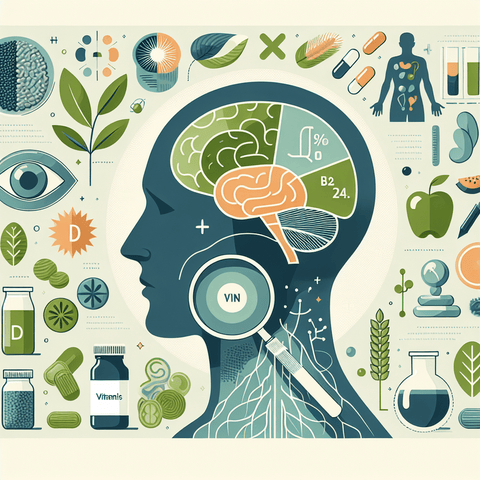

Vitamin deficiency symptoms are the everyday signs and changes people may notice when the body is not getting enough of one or more vitamins. Because vitamins support many processes across the body — including energy metabolism, skin and hair condition, nerve function and vision — the possible signals are varied and often overlap with symptoms that have nothing to do with nutrient levels.
This page is a broad starting point for the topic. It explains what vitamin deficiency symptoms are, lists the signs most often mentioned, looks at why shortfalls can develop, and outlines a sensible way to respond — always with the caveat that symptoms alone cannot confirm a deficiency and that professional guidance is the right next step where concerns persist.
What Are Vitamin Deficiency Symptoms?
Vitamins are nutrients the body needs in small amounts to work properly. When intake or absorption falls short over time, the body may begin to show signs that something is out of balance. These signs are what people usually mean by vitamin deficiency symptoms.
Deficiency-related signs tend to develop gradually rather than suddenly. In the early stages they are often subtle and easy to attribute to busy schedules, poor sleep or everyday stress, which is one reason low vitamin levels can go unnoticed for long periods.
It is just as important to understand what these symptoms are not. Most of them — tiredness, irritability, brittle nails — are non-specific. The same signs can have many different causes, which is why they are best treated as a prompt to look closer rather than as proof of a deficiency.
Common Vitamin Deficiency Symptoms to Watch For
The following signals appear most often in discussions of possible vitamin shortfalls. They are worth knowing about — not as a self-diagnosis checklist, but as a map of the kinds of changes that may deserve attention when they persist or recur.
- Persistent fatigue or low energy that rest does not seem to resolve.
- Mood changes, including irritability or a noticeably lower mood.
- Changes in skin texture or complexion.
- Hair that looks thinner or more brittle than usual.
- Nails that break, split or peel easily.
- Tingling or numbness in the hands and feet.
- Vision changes or ongoing eye strain.
Any single sign can have many explanations. What is more informative is the overall picture: several signs appearing together, lasting for weeks, or recurring in a recognizable pattern. Many of these signals also overlap with the broader signs of poor nutrition in general, which is one more reason professional assessment — rather than guesswork — is the sensible way to narrow down what may be going on.
Why Vitamin Deficiencies Can Develop
Vitamin shortfalls rarely have a single cause. More often, they develop from a combination of factors that affect how much of a vitamin is consumed, how well it is absorbed, or how much the body needs.
- Limited dietary variety or restrictive eating patterns.
- Diets that exclude whole food groups for long periods.
- Reduced absorption, which can occur with certain health conditions or medications.
- Increased requirements at particular life stages.
- Limited sunlight exposure, which is most relevant to vitamin D.
Frequently more than one factor is involved at the same time. This is one reason a clinician — who can consider diet, health history and symptoms together — is better placed than any checklist to judge whether low vitamin levels may be contributing to what someone is noticing.
Vitamins Most Often Discussed in Relation to Deficiency Signs
Some vitamins come up more often than others in conversations about deficiency, either because their roles are well studied or because the signs associated with low levels have been described in detail over time. The overviews below introduce the most prominent examples.
Vitamin D
Vitamin D is unusual because the body can produce it when skin is exposed to sunlight. It is frequently mentioned in connection with fatigue, bone and muscle comfort and low mood, particularly in regions with little sun for part of the year. If you would like to explore products in this area, our vitamin D supplements range is a good place to continue.
B Vitamins, Including B12
The B vitamins are a family of nutrients involved in energy metabolism, nerve function and the formation of red blood cells. Tingling or numbness in the hands and feet is the sign most often discussed in connection with low vitamin B12 in particular. Our vitamin B supplements collection gathers the individual B vitamins for anyone who wants to look at options in more detail.
Vitamin C
Vitamin C is involved in normal immune function and collagen formation, which makes it relevant to skin, gums and general wellbeing. Because it is water-soluble and not stored in the body in large amounts, regular intake through food is generally emphasized. You can browse our vitamin C supplements to see what is available.
Other Vitamins Worth Knowing About
Beyond these three, vitamin A is regularly discussed in connection with vision and skin, folate (vitamin B9) with blood formation, and vitamins E and K with their own distinct roles. Each has its own profile of signs when levels run low — topics the individual articles under this tag explore in more depth.
How to Respond to Possible Deficiency Symptoms
Noticing one or more possible deficiency signs is not a reason for alarm — but it is a useful prompt for a structured response. The sequence below reflects the generally recommended approach.
- Observe over time. Note which signs appear, how long they last and whether they recur. Patterns over weeks are more informative than any single day.
- Talk to a healthcare professional. Describe what you have noticed, including how long it has been going on and anything relevant about your diet and lifestyle.
- Consider testing where advised. Only a clinician can determine whether a blood test or other assessment is appropriate — and interpret the results correctly.
- Start with the foundations. A varied, balanced diet is the generally recommended basis for adequate vitamin intake; supplements are intended to complement such a diet, not replace it.
A final word on severe deficiency. When a vitamin shortfall becomes profound and prolonged, some vitamins are associated with clearly recognized deficiency diseases. Conditions at that extreme are uncommon where varied diets are the norm, but they underline why persistent or worsening symptoms deserve professional assessment rather than indefinite self-management.
Frequently Asked Questions About Vitamin Deficiency Symptoms
How can I tell which vitamins I may be deficient in?
In practice, you usually cannot tell from symptoms alone. Because most deficiency signs are non-specific and shared with many other conditions, the dependable route is to observe patterns and then discuss them with a healthcare professional, who can arrange testing if appropriate. Guesswork and high-dose self-treatment are best avoided, since taking supplements you do not need is not without its own drawbacks.
Are vitamin deficiency symptoms the same as the signs of poor nutrition?
They overlap, but they are not identical. Signs of poor nutrition describe the broader effects of an overall unbalanced diet, which can involve vitamins, minerals, protein and energy intake. Vitamin deficiency symptoms refer more specifically to the effects of too little of one or more vitamins. In everyday life the two often appear together, and both are reasons to seek professional guidance rather than to self-diagnose.
Do cravings show that a specific vitamin, such as B12, is low?
Some people ask whether particular cravings reveal a shortage such as low vitamin B12. Cravings can have many causes, and they are not considered a reliable indicator of the level of any specific vitamin. If you are concerned about B12 in particular, signs such as persistent fatigue or tingling in the hands and feet, together with relevant dietary factors, are better starting points for a conversation with a clinician who can test where appropriate.
Which diseases are linked to vitamin deficiency?
History provides the clearest examples: severe vitamin C deficiency causes scurvy, severe vitamin D deficiency causes rickets in children, and prolonged shortages of thiamine (vitamin B1) and niacin (vitamin B3) are associated with beriberi and pellagra respectively. These established deficiency diseases are now rare in places where varied diets and fortified foods are common. Far more common today are milder, harder-to-read signals — the kind this page focuses on — which is exactly why persistent symptoms are worth discussing with a professional.
Exploring Vitamin Deficiency Topics Further
This page offers the broad map of the topic: what vitamin deficiency symptoms are, which signs are most often mentioned, why shortfalls develop and how to respond sensibly. The articles collected under this tag go deeper into individual questions — the signs associated with specific vitamins, how different nutrient shortfalls compare, and how diet and lifestyle fit into maintaining adequate levels.
Whatever brings you here — a persistent symptom, a question about a particular vitamin, or simply the wish to understand your body better — the most dependable path combines careful observation, professional guidance and measured, well-informed changes. The resources under this tag are here to support that process.