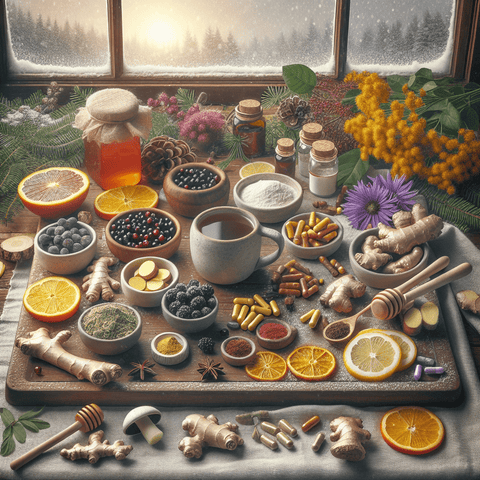
Acelera la recuperación después del resfriado: las mejores vitaminas para ayudarte a sanar más rápido


Las vitaminas para la recuperación del resfriado son un tema popular para las personas que buscan orientación práctica y basada en evidencia. Esta página destaca las opciones respaldadas por estudios, consejos prácticos diarios y consideraciones seguras sobre la dosificación de vitaminas para la recuperación del resfriado. Al revisar lo que dicen la investigación y las guías, y separar los mitos de los métodos, puedes abordar las preguntas comunes con claridad. El enfoque aquí está en información que puede guiar un uso cuidadoso de las vitaminas en el contexto de un resfriado. Las opciones respaldadas por evidencia para las vitaminas en la recuperación del resfriado suelen incluir la vitamina C y la vitamina D. La literatura abarca diferentes tipos de estudios, y las revisiones a menudo reportan resultados variables según la población y el diseño del estudio. Otras vitaminas se discuten en algunos debates, pero la vitamina C y la vitamina D son los nutrientes examinados con mayor frecuencia en relación con los resfriados. Esta sección resalta cómo los investigadores enmarcan la evidencia y qué tipo de conclusiones se sacan, sin afirmar resultados garantizados. Los consejos diarios para las vitaminas en la recuperación del resfriado enfatizan hábitos prácticos en lugar de garantías. Considera establecer una rutina diaria consistente, leer cuidadosamente las etiquetas de los productos y evitar formulaciones que se solapan y puedan sumar dosis mayores a las previstas. Si tienes poca exposición al sol, hablar con un profesional de la salud sobre las necesidades de vitamina D puede ser parte de un plan cuidadoso e individualizado. Mantener un registro simple de lo que tomas puede ayudarte a mantenerte organizado mientras sigues tu enfoque elegido. La dosificación segura es una parte fundamental del uso de vitaminas para la recuperación del resfriado. Siempre sigue las instrucciones en la etiqueta del producto y presta atención a la ingesta total en todas las fuentes. No excedas los niveles de ingesta máxima apropiados para la edad y la población, y busca asesoramiento profesional si tienes problemas hepáticos o renales, estás embarazada o tomas medicamentos que puedan interactuar. Enfatizar una dosificación segura fomenta un uso responsable de las vitaminas para la recuperación del resfriado y te ayuda a tomar decisiones informadas.


Best Supplements to Support Cold and Flu Recovery Naturally - Topvitamine
28 de August, 2025
Los mejores suplementos para la gripe y el resfriado dependen de la situación y no sustituyen el descanso, la hidratación ni la atención médica. La vitamina C, el zinc, la vitamina D, algunos productos de saúco y ciertos probióticos pueden aportar apoyo nutricional en circunstancias concretas, aunque sus efectos son variables. Esta guía explica qué se conoce, cómo elegir un producto y qué precauciones tener, especialmente en niños, embarazo, enfermedades crónicas y diabetes.

When a cold leaves you feeling run down, it is natural to wonder whether vitamins can help you recover faster. The topic of vitamins for cold recovery is broad, covering several nutrients, their potential roles in immune function, and practical considerations for supplement use. This guide provides a high-level overview of the most frequently discussed vitamins and minerals, what the research generally says, and how to approach supplementation safely.

It is important to note that no vitamin can cure a cold. However, certain nutrients are essential for a healthy immune system, and maintaining adequate levels may support your body's natural defenses. This page explores the major nutrients associated with cold recovery, the evidence behind them, and the key factors to consider before adding supplements to your routine.

Key Vitamins and Minerals for Immune Support

Several vitamins and minerals are frequently discussed in the context of immune health and cold recovery. While research results vary, these nutrients are the most commonly examined in scientific studies. Understanding their general role in the body can help you make more informed decisions.

Vitamin C

Vitamin C is one of the most researched nutrients in relation to colds. It is an antioxidant that supports various cellular functions of the immune system. Some studies suggest that regular vitamin C supplementation may slightly reduce the duration of a cold, while other research finds limited effects. The evidence is mixed, and outcomes can vary based on factors like dosage and individual health status.

Vitamin D

Vitamin D is critical for overall immune function. Many people have insufficient levels, especially during winter months or with limited sun exposure. Some research suggests that adequate vitamin D status may help reduce the risk of respiratory infections, though results are not consistent across all studies. If you are concerned about your vitamin D levels, a blood test and discussion with a healthcare provider can provide clarity.

Zinc

Zinc is a mineral that plays a role in immune cell development and communication. Some studies indicate that zinc lozenges taken within 24 hours of cold symptoms may help reduce the duration of a cold. However, the evidence is not definitive, and high doses of zinc can cause side effects like nausea. It is best to follow label directions carefully and avoid long-term high-dose use without medical supervision.

B Vitamins

B vitamins, including B6, B12, and folate, contribute to energy metabolism and the normal function of the immune system. While they are not typically studied as a direct treatment for colds, a deficiency in any B vitamin could impair immune responses. For most people, a balanced diet provides adequate B vitamins, but supplements can help fill gaps for those with dietary restrictions or absorption issues.

How Vitamins Support the Immune System

The immune system is a complex network of cells, tissues, and organs that work together to defend the body. Vitamins and minerals do not act in isolation; they support various stages of the immune response, from maintaining physical barriers like the skin to supporting the production of immune cells. For example, vitamin C accumulates in immune cells and may protect them from oxidative stress, while vitamin D helps regulate the activity of immune responses.

It is also important to understand that a nutrient deficiency can compromise immune function, but taking extra amounts beyond what is needed does not necessarily provide additional benefit. The goal should be to maintain adequate levels through a balanced diet and targeted supplementation when appropriate, rather than relying on high doses to 'boost' immunity beyond normal capacity.

Comparing Vitamins for Cold Recovery: A Quick Reference

The following table summarizes the most commonly discussed nutrients for cold recovery, including their general evidence level and key considerations. This is a high-level overview and not personalized medical advice.

Nutrient | Common Form | General Evidence Level | Potential Role | Key Considerations

Vitamin C | Ascorbic acid, sodium ascorbate | Mixed; may slightly shorten duration with regular use | Antioxidant; supports immune cell function | High doses can cause digestive upset; follow label directions

Vitamin D | D3 (cholecalciferol) | Mixed; deficiency linked to increased infection risk | Regulates immune response | Check blood levels if deficiency is suspected; take with fat for absorption

Zinc | Zinc gluconate, zinc acetate (lozenges) | Moderate; may reduce duration if started within 24 hours | Supports immune cell function | Can cause nausea at high doses; avoid intranasal forms

B Complex | Various | Limited direct evidence for colds | Supports energy metabolism and immune function | Large doses of individual B vitamins are generally not necessary

Practical Tips for Using Vitamins During a Cold

If you decide to use vitamins or minerals during a cold, practical habits matter just as much as the supplements themselves. Consider the following guidance to use these products responsibly and get the most from your approach.

  • Start early: If you choose to use supplements like zinc lozenges, evidence suggests they may be most effective when started within 24 hours of the first symptoms.
  • Check labels carefully: Read the supplement facts panel to understand the exact dose per serving and avoid accidentally combining multiple products containing the same nutrient.
  • Avoid exceeding upper limits: Be mindful of the total intake from all sources, including food and supplements. The upper intake level (UL) is the maximum daily intake unlikely to cause harm.
  • Stay consistent: Missing doses may reduce potential benefits. If you plan to supplement, aim for a consistent daily routine.

Dosage and Timing: What to Consider

There is no one-size-fits-all dosage for vitamins and minerals. Your needs depend on your age, sex, diet, health status, and any medications you take. The table above provides general evidence levels, but it is essential to follow the specific directions on any product label.

Timing can also play a role. For example, some studies on zinc for colds used lozenges taken every few hours during waking hours. Vitamin D is fat-soluble, so it is often recommended to take it with a meal containing fat for better absorption. Vitamin C is water-soluble, so it may be taken at any time of day, though some people find it better tolerated with food.

Safety, Quality, and Realistic Expectations

Safety should always be the first priority. Do not exceed the dosage on the product label, and be especially careful if you have liver or kidney concerns, are pregnant or nursing, or are taking other medications that could interact with supplements. It is always wise to speak with a healthcare professional before starting any new supplement, particularly if you have an underlying health condition.

It is also reasonable to keep expectations realistic. Vitamins are not a cure for the common cold. They may support your immune system and possibly shorten the duration of a cold in some cases, but they are just one part of a broader approach that includes rest, hydration, and general self-care. Faster recovery is not guaranteed, and the evidence for each nutrient is mixed.

Finally, remember that supplements are not a substitute for a healthy lifestyle. A balanced diet, regular sleep, stress management, and good hygiene are the foundations of a resilient immune system. Vitamins can help fill nutritional gaps, but they are most effective when used as part of a comprehensive approach to health.

Beyond Supplements: Supporting Recovery Holistically

Vitamins are not the only factor in cold recovery. Staying well-hydrated, getting adequate rest, and avoiding strenuous activity are essential for allowing your body to fight off the virus. Eating nutritious meals that include fruits, vegetables, and lean proteins can provide a wide range of essential nutrients that work together to support immune function.

Additionally, good hygiene practices like frequent handwashing and covering coughs and sneezes can help prevent the spread of the virus to others. While there is no cure for the common cold, combining sensible self-care with the appropriate use of vitamins and minerals can help you feel more in control of your recovery process.

Exploring Further: Vitamins and Your Broader Health

Vitamins play important roles throughout the body beyond just immune support. If you are interested in learning more about the specific benefits and considerations for different vitamins, we have several in-depth guides available. You can start by exploring our comprehensive collection onvitamin C benefits for immunity and energy to understand more about this popular nutrient.

For a broader perspective on other essential nutrients, our category onvitamin D benefits, sources, and safety offers detailed information about this fat-soluble vitamin and its many roles.

And if you are curious about the broader category of minerals, our guide onmineral supplements including zinc may be a helpful next stop on your journey.

These resources can help you build a well-rounded understanding of how different nutrients contribute to overall wellness.