
Las vitaminas para la gripe es un tema que suele aparecer con frecuencia en las discusiones sobre información de salud, y esta página proporciona una visión general de lo que comúnmente las personas entienden cuando hablan de vitaminas en relación con la gripe. El objetivo es ofrecer contexto sobre cómo se enmarca la información, en lugar de prescribir acciones específicas. Aquí encontrarás orientación sobre qué tipos de preguntas surgen en torno a las vitaminas para la gripe y cómo evaluar la fiabilidad de las fuentes. Al explorar las vitaminas para la gripe, los lectores encontrarán referencias a vitaminas bien conocidas que aparecen frecuentemente en discusiones públicas. Este contenido señala que las conversaciones sobre vitaminas para la gripe provienen de diversas fuentes, y el nivel de certeza puede variar. Se enfatiza la evaluación de la evidencia y la comprensión de la diferencia entre la orientación para el consumidor y las conclusiones científicas. Debido a que la dosificación y los aspectos de seguridad específicos dependen de las circunstancias individuales, esta página no proporciona instrucciones de dosis ni consejos de seguridad adaptados. En cambio, anima a consultar las etiquetas oficiales de los productos y buscar la opinión de profesionales para discutir cómo cualquier opción de vitamina podría interactuar con factores de salud personales. La prioridad está en evaluar cuidadosamente las fuentes y reconocer los límites de la información general. Esta página es informativa y no sustituye el consejo profesional. Si tienes preguntas sobre las vitaminas para la gripe en el contexto de tu salud, consulta a un profesional de la salud o a una fuente médica confiable para obtener orientación adaptada a tu situación.
Vitaminas para la Gripe: Impulsos Esenciales para Acelerar la Recuperación
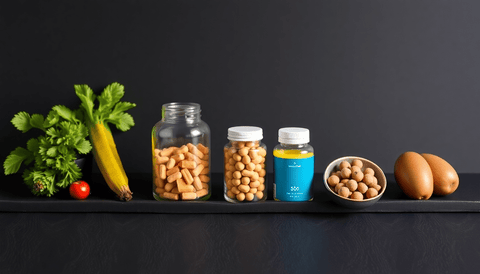
When the flu season arrives, many people look for ways to support their body's natural defenses. The topic of vitamins for flu is a broad one, covering everything from specific nutrients to dietary patterns and supplement choices. This guide provides an overview of the main concepts involved, helping you understand the landscape of nutritional support during flu season and beyond.
What Does “Vitamins for Flu” Mean?
The phrase “vitamins for flu” generally refers to the use of vitamins and minerals to support the immune system, particularly during the flu season. It's a topic that encompasses a range of nutrients thought to play a role in maintaining normal immune function. It is important to clarify that vitamins are not a cure for the flu; rather, they are part of a broader approach to overall health and wellness.
This concept is often discussed in the context of prevention and recovery. While a balanced diet is the best way to obtain essential nutrients, supplements are a popular consideration for filling potential gaps. The information available on this topic varies in quality, so it is crucial to rely on credible sources and understand the difference between general advice and scientific evidence.
Key Vitamins and Minerals for Immune Support
Several vitamins and minerals are frequently highlighted in discussions about immune health. These nutrients are involved in various functions that help the body maintain its natural defenses. It's useful to be familiar with the most commonly mentioned ones and their general roles.
Some of the most frequently discussed nutrients include:
- Vitamin C: Known for its antioxidant properties and its role in supporting the immune system.
- Vitamin D: Important for overall health, including normal immune function.
- Zinc: A mineral that is essential for immune cell development and communication.
- Vitamin B6: Supports biochemical reactions in the immune system.
These nutrients are available through a varied diet. For example, vitamin C is found in citrus fruits and vegetables, while vitamin D is synthesized by the body through sun exposure and found in certain foods. Zinc is present in meat, shellfish, and legumes. A balanced diet is the foundation for obtaining these essential nutrients.
Dietary Sources vs. Supplements
When considering vitamins for flu, a key distinction is between obtaining nutrients from food and taking supplements. A diet rich in fruits, vegetables, whole grains, and lean proteins provides a complex mix of nutrients that work together to support health. Supplements, on the other hand, offer a concentrated dose of specific nutrients and can be useful when dietary intake is insufficient.
For those interested in supplementing, it is important to choose products from reputable brands. You can explore a range of options, including vitamin C supplements and vitamin D supplements to understand what is available. Similarly, mineral supplements can be a topic of interest for those looking to cover all bases.
Safety and General Considerations
While vitamins are generally safe when taken as directed, it is essential to approach supplementation with caution. The appropriate dosage can vary based on age, health status, and other factors. Taking excessive amounts of certain vitamins can be harmful. Always read and follow the label instructions on any supplement product.
It is also important to be aware that supplements can interact with medications. If you have underlying health conditions or are taking prescription drugs, it is wise to discuss your supplement plans with a healthcare professional. They can provide personalized advice based on your individual health profile.
The Role of a Balanced Lifestyle
Focusing solely on vitamins for flu overlooks the bigger picture of health. A robust immune system is supported by a combination of factors, including adequate sleep, regular physical activity, stress management, and good hygiene practices. These lifestyle elements work in concert with nutrition to help the body maintain its natural defenses.
Vitamins and minerals are one piece of the puzzle. A holistic approach that includes a balanced diet and healthy habits is the most effective strategy for supporting overall well-being, especially during flu season.
Exploring the Topic Further
This page serves as a starting point for understanding the broad topic of vitamins for flu. There are many more specific questions that people often explore, such as the role of particular nutrients, the timing of supplementation, and the differences between various forms of vitamins. These detailed topics are often best addressed by dedicated articles that can provide a deeper dive into each subject.
We encourage you to browse the articles associated with this topic to find more detailed information on the specific aspects that interest you. Remember that this information is for educational purposes and is not a substitute for professional medical advice.