
{"" : " "}
Vitaminas para los sofocos: alivio simple y natural para la menopausia

29 de September, 2026
La menopausia provoca cambios hormonales que aumentan la necesidad de nutrientes específicos. Si bien ninguna vitamina es una cura milagrosa, la ciencia señala varias que pueden ayudar genuinamente a controlar los síntomas. Esta guía clasifica las mejores vitaminas y suplementos según sus fuentes alimentarias, beneficios y evidencia clínica para ayudarte a tomar una decisión informada. Cubriremos nutrientes esenciales como la vitamina D, el calcio y las vitaminas del grupo B, además de opciones emergentes, y responderemos tus principales preguntas sobre seguridad y eficacia.
11 de September, 2025
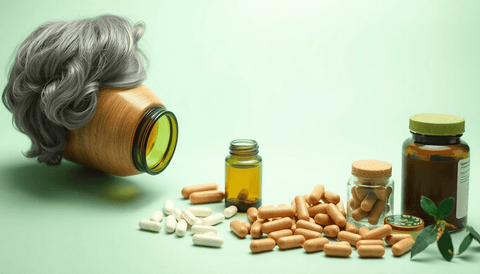
No existe un suplemento único que sea el mejor para todas las mujeres durante la menopausia. Esta guía explica para qué se utilizan ingredientes como la cimicífuga, las isoflavonas de soja, el omega-3, la vitamina D y el calcio, qué límites tiene la evidencia y cómo revisar una etiqueta. También incluye criterios de elección, posibles efectos secundarios y situaciones en las que conviene consultar con un profesional sanitario.
{"content":"
Los sofocos son uno de los síntomas más comunes y molestos de la menopausia, ya que afectan el confort diario y la calidad del sueño de millones de mujeres. Si estás buscando vitaminas para los sofocos, probablemente quieras saber qué nutrientes cuentan con evidencia real detrás, qué papel desempeñan la dieta y el estilo de vida, y cuándo podría merecer la pena plantearse un suplemento. Este artículo explica por qué aparecen los sofocos, qué dice la investigación sobre el apoyo nutricional, qué vitaminas y fitoestrógenos se han estudiado y cómo tomar decisiones informadas y seguras, empezando por la alimentación y el estilo de vida antes de que entre en juego cualquier suplemento.
\n\n
¿Por qué aparecen los sofocos durante la menopausia?
\n\n
Los sofocos, también llamados síntomas vasomotores, son episodios repentinos de calor intenso, sudoración y enrojecimiento, a menudo acompañados de taquicardia o una sensación de ansiedad. Son el síntoma característico de la transición menopáusica, que suele comenzar durante la perimenopausia y disminuir gradualmente en los años posteriores a la última menstruación. Aunque son una respuesta fisiológica normal al cambio hormonal, su intensidad e impacto varían ampliamente de una persona a otra.
\n\n
El papel de los cambios hormonales en la regulación de la temperatura corporal
\n\n
La explicación dominante se basa en el descenso y la fluctuación de los niveles de estrógeno. El estrógeno influye en el hipotálamo, la parte del cerebro que regula la temperatura corporal central. A medida que el estrógeno disminuye, se produce lo que los investigadores describen como una estrechez de la zona termoneutral: el rango de temperaturas corporales en las que te sientes cómoda se hace más pequeño. Pequeñas variaciones de la temperatura corporal central que antes pasaban desapercibidas pueden entonces desencadenar una respuesta completa de enfriamiento: dilatación de los vasos sanguíneos, sudoración y la sensación de calor que reconocemos como un sofoco.
\n\n
Por qué los difocos varían en frecuencia e intensidad
\n\n
No todo el mundo experimenta los sofocos de la misma manera. La investigación sugiere que factores como el peso corporal, el tabaquismo, los niveles de estrés, la calidad del sueño, la etnia y el estado general de salud pueden influir tanto en la frecuencia como en la gravedad. Por ejemplo, en estudios observacionales se ha asociado a las mujeres con un índice de masa corporal más alto y a las fumadoras con una mayor frecuencia de síntomas vasomotores. El estrés y el mal sueño también pueden amplificar la percepción de los sofocos, creando un ciclo en el que los episodios nocturnos interrumpen el sueño, lo que a su vez aumenta la sensibilidad a los síntomas al día siguiente.
\n\n
¿Pueden las vitaminas ayudar realmente con los sofocos?
\n\n
Aquí es donde importan unas expectativas honestas y basadas en la evidencia. Las vitaminas no son un tratamiento para los sofocos en sentido médico, y ninguna vitamina ha demostrado igualar la eficacia de la terapia hormonal para los síntomas moderados o graves. Dicho esto, el estado nutricional puede influir en el bienestar general durante la menopausia, y un pequeño número de nutrientes se han estudiado específicamente por su posible papel en el alivio de los síntomas vasomotores, a veces con resultados modestos o dispares.
\n\n
Lo que dice la investigación sobre el apoyo nutricional en la menopausia
\n\n
La base de evidencia es realmente limitada. La vitamina E se ha examinado en un puñado de pequeños ensayos clínicos con resultados dispares. La deficiencia de vitamina D es frecuente en mujeres de mediana edad, y algunas investigaciones observacionales han explorado vínculos entre el estado de vitamina D y la gravedad de los síntomas, aunque no se ha establecido la causalidad. Los fitoestrógenos, compuestos vegetales y no vitaminas, cuentan con el mayor cuerpo de investigación, con metaanálisis que sugieren una posible reducción modesta en la frecuencia de sofocos en algunas mujeres. En resumen: el apoyo nutricional puede desempeñar un papel de apoyo, pero no sustituye a la atención médica cuando los síntomas son graves.
\n\n
La diferencia entre tratar los síntomas y apoyar al organismo
\n\n
Conviene separar dos objetivos. Tratar los síntomas significa reducir directamente la frecuencia o intensidad de los sofocos, algo para lo que están diseñados la terapia hormonal y determinados medicamentos no hormonales. Apoyar al organismo significa garantizar un estado nutricional adecuado, energía estable, un buen sueño y un equilibrio del ánimo durante una fase de transición, lo que puede mejorar la resiliencia general y la calidad de vida. Las vitaminas encajan principalmente en la segunda categoría. Una mujer que corrige una deficiencia de vitamina D o mejora su ingesta de vitaminas del grupo B puede simplemente sentirse mejor en general, aunque los sofocos en sí mismos solo cambien de forma modesta.
\n\n
Vitaminas y nutrientes clave estudiados para aliviar los sofocos
\n\n
Vitamina E: su posible papel en el alivio de los síntomas vasomotores
\n\n
La vitamina E es un antioxidante que se ha estudiado para los sofocos desde los años noventa. Un pequeño ensayo clínico con frecuencia citado encontró que la suplementación con vitamina E se asoció con una reducción modesta de la gravedad de los sofocos en comparación con el placebo, aunque el efecto fue pequeño y el estudio corto. Otros ensayos no han encontrado un beneficio significativo. Como antioxidante liposoluble implicado en la protección de las células contra el estrés oxidativo, la vitamina E sigue siendo una candidata plausible para su uso de apoyo, pero la evidencia global最好 se describe como dispares y limitadas. Puedes leer más en nuestra guía sobre beneficios, fuentes y seguridad de la vitamina E.
\n\n
Vitamina B6: apoyo a la función de los neurotransmisores y al estado de ánimo
\n\n
La vitamina B6 es un cofactor en la síntesis de serotonina, dopamina y GABA, neurotransmisores implicados en la regulación del estado de ánimo y en la percepción del malestar. Dado que la irritabilidad, el ánimo bajo y los trastornos del sueño suelen acompañar a la menopausia, la B6 se incluye a veces en formulaciones orientadas a la menopausia. No hay evidencia sólida de que la B6 reduzca directamente los sofocos, pero mantener un nivel adecuado de vitaminas del grupo B puede apoyar el metabolismo energético y la función del sistema nervioso en una etapa vital exigente. Más detalles están disponibles en nuestra guía sobre beneficios y seguridad de las vitaminas B.
\n\n
Vitamina D: la relación entre la deficiencia y la gravedad de los síntomas de la menopausia
\n\n
La deficiencia de vitamina D es muy extendida, especialmente en regiones con poca luz solar, y algunos estudios observacionales en mujeres menopáusicas han explorado asociaciones entre un bajo nivel de vitamina D y peores perfiles de síntomas, incluidas molestias de ánimo y sueño. La evidencia que conecta específicamente la vitamina D con los sofocos es débil e inconsistente. Sin embargo, corregir la insuficiencia merece la pena por otras razones bien establecidas, como la salud ósea, una consideración importante tras la menopausia, cuando el descenso del estrógeno acelera la pérdida de hueso. Nuestra guía sobre vitamina D cubre en profundidad fuentes, estado y seguridad.
\n\n
El papel emergente de las isoflavonas y los fitoestrógenos
\n\n
Las isoflavonas de la soja y del trébol rojo son compuestos vegetales con una leve actividad estrogénica. Dado que los sofocos se vinculan con el descenso del estrógeno, los fitoestrógenos se han estudiado ampliamente como enfoque dietético. Los metaanálisis de ensayos clínicos sugieren que las isoflavonas de soja pueden reducir de forma modesta la frecuencia y gravedad de los sofocos en algunas mujeres, aunque la calidad de los estudios y la respuesta individual varían considerablemente. La genisteína y la daidzeina son las isoflavonas más estudiadas, y la microbiota intestinal de cada persona puede influir en la eficacia con la que estos compuestos se convierten en metabolitos activos. No son vitaminas, pero se agrupan frecuentemente con los enfoques nutricionales de la menopausia y merecen expectativas realistas: cualquier efecto parece gradual y moderado, más que espectacular.
\n\n
Qué comer antes de plantearse los suplementos
\n\n
Los patrones alimentarios son la base del apoyo nutricional durante la menopausia y, para muchas mujeres, los cambios basados en los alimentos bastan para lograr una diferencia significativa en cómo se sienten en general.
\n\n
Alimentos antiinflamatorios y ricos en fitoestrógenos para la menopausia
\n\n
Los patrones dietéticos tradicionales asociados con menos molestias menopáusicas relatadas, como la dieta mediterránea y la dieta japonesa tradicional, comparten rasgos comunes: abundancia de verduras, legumbres, cereales integrales, aceite de oliva y pescado azul. Añadidos prácticos:
\n\n
- Alimentos de soja: tofu, tempeh, edamame y miso aportan isoflavonas naturales en forma de alimento integral.
- Pescado azul: salmón, sardinas y caballa aportan grasas omega-3, que favorecen el equilibrio cardiovascular y antiinflamatorio.
- Legumbres y cereales integrales: apoyo estable a la glucosa en sangre, lo que puede ayudar a la energía y a la estabilidad del ánimo.
- Verduras y frutas de colores vivos: antioxidantes y fibra que favorecen la salud metabólica general.
\n\n
Patrones dietéticos que pueden reducir la frecuencia de sofocos
\n\n
Alguna investigación observacional sugiere que las mujeres que siguen dietas más ricas en frutas, verduras y cereales integrales refieren menos síntomas vasomotores, aunque los estudios dietéticos no pueden probar causa y efecto. El control del peso parece relevante: se ha asociado un peso corporal más alto con sofocos más frecuentes, posiblemente porque el tejido adiposo afecta a la termorregulación y a la sensibilidad a la insulina. Un patrón alimentario gradual y sostenible, más que una dieta restrictiva, es más realista en la mediana edad, cuando el metabolismo y la masa muscular ya están cambiando.
\n\n
Alimentos y bebidas que pueden desencadenar sofocos
\n\n
Ciertos desencadenantes merece la pena seguirlos individualmente. Los más comunes incluyen alimentos picantes, bebidas calientes, alcohol y cafeína, especialmente por la noche, cuando además pueden empeorar el sueño. No todas las mujeres reaccionan a todos los desencadenantes, por lo que un simple diario de síntomas durante dos o tres semanas puede revelar qué factores te afectan realmente, en lugar de fiarte de listas genéricas.
\n\n
Por qué importan el sueño, el estrés y los hábitos de vida
\n\n
La relación entre el estrés, el cortisol y los sudores nocturnos
\n\n
El estrés activa el sistema nervioso simpático, lo que aumenta la frecuencia cardíaca y la sensibilidad a la temperatura corporal. Muchas mujeres relatan que los sofocos se agrupan durante o después de periodos de estrés, y los sudores nocturnos suelen intensificarse cuando el sueño ya está fragmentado. Las técnicas de manejo del estrés, como la respiración ritmada, las prácticas basadas en la atención plena y la terapia cognitivo-conductual (TCC), cuentan con algunas de las evidencias no hormonales más sólidas para reducir el malestar y la gravedad percibida de los sofocos, aunque la frecuencia fisiológica cambie menos que la experiencia de los mismos.
\n\n
Ejercicio y control del peso en el manejo de los síntomas de la menopausia
\n\n
La actividad física regular se asocia de forma consistente con un mejor ánimo, sueño y control del peso durante la menopausia, aunque la evidencia de que el ejercicio reduzca directamente la frecuencia de sofocos es dispares. El entrenamiento de fuerza merece una atención especial, porque tanto la masa muscular como la densidad ósea disminuyen tras la menopausia. Incluso una actividad moderada, como caminar a paso ligero la mayoría de los días de la semana, contribuye a la salud cardiovascular, una consideración crítica dado que el riesgo cardiovascular aumenta tras la menopausia.
\n\n
Rutinas prácticas para reducir la sensibilidad a la temperatura corporal
\n\n
Los ajustes ambientales sencillos ayudan de verdad a muchas mujeres: mantener el dormitorio fresco, usar ropa por capas y tejidos transpirables, ducharse con agua fresca antes de acostarse y tener un ventilador a mano. Algunas mujeres descubren que la respiración ritmada al inicio de un sofoco acorta el episodio o reduce su intensidad. Ninguna de estas medidas elimina los sofocos, pero en conjunto pueden reducir de forma significativa su repercusión en la vida diaria y el sueño.
\n\n
¿Cuándo podría merecer la pena plantearse un suplemento para los sofocos?
\n\n
La suplementación depende de la situación, no es automática. Se vuelve más relevante cuando la ingesta dietética es realmente insuficiente o cuando factores de riesgo concretos hacen más probable una deficiencia.
\n\n
Señales de que tu dieta puede carecer de nutrientes clave
\n\n
Entre las señales de una posible ingesta insuficiente están una dieta con poca variedad, patrones alimentarios muy restrictivos, una exposición solar mínima (relevante para la vitamina D) o un consumo bajo de proteínas, legumbres y verduras. Sin embargo, los síntomas por sí solos no pueden determinar el estado nutricional: el cansancio, los cambios de ánimo y los problemas de sueño tienen muchas causas posibles, y solo las pruebas de sangre adecuadas pueden confirmar una deficiencia.
\n\n
Situaciones en las que la ingesta dietética probablemente es insuficiente
\n\n
Ciertas circunstancias se asocian con un menor aporte de nutrientes o con necesidades más altas: dietas veganas o vegetarianas sin una planificación cuidadosa, dietas hipocalóricas, exposición solar limitada, trastornos gastrointestinales que afectan a la absorción y determinados medicamentos como la metformina (que puede afectar al nivel de B12 con el tiempo). En estas situaciones, puede considerarse razonablemente una suplementación específica, idealmente guiada por pruebas y consejo profesional en lugar de por la intuición.
\n\n
Cómo elegir un suplemento de vitaminas de calidad para los sofocos
\n\n
Si decides suplementarte, la calidad del producto y su formulación importan más que las promesas de marketing.
\n\n
Nutrientes individuales frente a formulaciones específicas para la menopausia
\n\n
Los productos de un solo nutriente (por ejemplo, solo vitamina D) permiten una dosificación precisa y son apropiados cuando se ha identificado una deficiencia concreta. Las formulaciones específicas para la menopausia suelen combinar vitaminas con minerales como el magnesio, y a veces extractos herbales como el cohosh negro o las isoflavonas de soja. Los productos combinados son cómodos, pero dificultan el ajuste de las dosis individuales y aumentan la posibilidad de duplicar nutrientes si tomas otros suplementos. Nuestra guía de multivitamínicos explica cómo evaluar las fórmulas combinadas.
\n\n
Biodisponibilidad: cómo elegir las formas correctas de los nutrientes
\n\n
La forma del nutriente influye en la absorción. La vitamina D3 (colecalciferol) suele preferirse a la D2 para elevar los niveles en sangre. La forma activa de B6, el piridoxal-5-fosfato (P5P), puede tolerarse mejor por algunas personas, aunque la piridoxina estándar se absorbe bien en la mayoría. Las vitaminas liposolubles (D y E) se absorben mejor cuando se toman con una comida que contenga grasa. La evidencia comparativa sobre algunas formas «premium» es limitada, así que conviene tener cuidado con las afirmaciones de que una forma concreta es drásticamente superior sin una investigación sólida que lo respalde.
\n\n
Cómo interpretar las dosis y las raciones en la etiqueta
\n\n
Comprueba las cantidades de nutrientes por ración, no por cápsula, y compáralas con las ingestas de referencia en lugar de asumir que más es mejor. Un suplemento de calidad aporta cantidades coherentes con las necesidades nutricionales, no megadosis. Busca pruebas de terceros o certificaciones de calidad reconocidas, etiquetado transparente de las formas activas e información clara sobre alérgenos si tienes sensibilidades. Explora opciones de origen cuidado en nuestra colección de suplementos naturales.
\n\n
Consideraciones de seguridad de los suplementos para la menopausia
\n\n
Cómo entender los límites superiores y los riesgos del exceso de ingesta
\n\n
Varios nutrientes relevantes para la menopausia tienen límites de seguridad establecidos. La vitamina E en dosis altas (generalmente por encima de 300 mg/día a largo plazo) puede aumentar el riesgo de sangrado, especialmente junto con medicamentos anticoagulantes. Una ingesta muy alta de vitamina D durante períodos prolongados puede elevar el calcio en sangre. La vitamina B6 en dosis altas tomada a largo plazo se ha asociado con neuropatía periférica. Minerales como el calcio y el magnesio también tienen niveles máximos de ingesta. Estos límites refuerzan por qué es preferible una suplementación moderada y basada en las necesidades, frente al autotratamiento con dosis altas.
\n\n
Quién debe consultar al médico antes de suplementarse
\n\n
Es importante buscar consejo profesional si tomas medicamentos con receta (especialmente anticoagulantes, medicamentos para la tiroides o bisfosfonatos), tienes enfermedades del riñón o del hígado, estás recibiendo tratamiento oncológico o tienes antecedentes de enfermedades sensibles a las hormonas, algo relevante para los suplementos de fitoestrógenos. Las mujeres con síntomas graves o de inicio repentino, sofocos acompañados de sangrado inusual o síntomas que deterioran significativamente la vida diaria deben buscar una evaluación médica en lugar de confiar en el autotratamiento, ya que otras condiciones pueden a veces imitar los síntomas de la menopausia.
\n\n
Poniéndolo todo junto: un enfoque práctico para gestionar los sofocos
\n\n
Apoyo a la toma de decisiones por pasos: de la dieta a la suplementación
\n\n
Una secuencia razonable podría ser la siguiente:
\n\n
- Paso 1 — Optimiza primero la dieta y el estilo de vida: atiende los alimentos desencadenantes, las estrategias de enfriamiento, el manejo del estrés, la higiene del sueño y la actividad regular durante al menos 4-8 semanas.
- Paso 2 — Evalúa tus posibles carencias de nutrientes: revisa con honestidad tu ingesta de vitamina D, vitaminas del grupo B y alimentos ricos en fitoestrógenos frente a tu dieta real y tu exposición solar.
- Paso 3 — Plantea pruebas cuando sea relevante: el estado de vitamina D puede medirse de forma fiable con un análisis de sangre; el análisis de B12 puede ser relevante si sigues una dieta de origen vegetal o tomas determinados medicamentos.
- Paso 4 — Suplementa de forma selectiva: elige productos concretos basándote en las carencias identificadas, en lugar de fórmulas amplias de dosis altas.
- Paso 5 — Reevalúa y escala si es necesario: si los síntomas siguen siendo graves, comenta con un profesional de salud opciones médicas como la terapia hormonal o medicamentos no hormonales.
\n\n
Qué vigilar y cuándo buscar orientación profesional
\n\n
Llevar un registro diario sencillo de la frecuencia e intensidad de los sofocos, la calidad del sueño, el estrés y los desencadenantes dietéticos aporta información objetiva sobre lo que está funcionando. Busca orientación profesional si los síntomas empeoran de repente, si los sudores nocturnos empapan la ropa de forma persistente, si experimentas sangrados irregulares o posmenopáusicos, o si los cambios de ánimo se vuelven significativos. Son situaciones en las que la evaluación clínica importa más que cualquier estrategia nutricional.
\n\n
Conclusión
\n\n
Pasos sencillos e informados hacia un alivio natural
\n\n
Las vitaminas para los sofocos ocupan un lugar modesto pero real en el cuidado de la menopausia: conviene entenderlas como herramientas para apoyar el estado nutricional general durante una etapa vital de transición, no como tratamientos que eliminarán los síntomas. Los cimientos más fiables siguen siendo una dieta rica en fitoestrógenos y antiinflamatoria, el ejercicio regular, el manejo del estrés y un entorno de sueño fresco. La suplementación tiene más sentido cuando existe una carencia concreta, como un nivel bajo de vitamina D por exposición solar limitada, y debe ser moderada en dosis, estar bien formulada e idealmente guiada por pruebas. Para síntomas graves o que interfieren con la vida diaria, la atención médica profesional ofrece opciones con evidencias mucho más sólidas, y buscarla es señal de buen criterio, no de fracaso. Las respuestas individuales varían considerablemente, por lo que hacer seguimiento de tus propios patrones a lo largo del tiempo es la forma más práctica de descubrir qué funciona de verdad para ti.
\n\n
Preguntas frecuentes
\n\n
¿Cuál es la mejor vitamina para los sofocos?
\n
No existe una única vitamina «mejor». La vitamina E cuenta con alguna evidencia clínica limitada para reducir modestamente la gravedad de los sofocos, mientras que la vitamina D y las vitaminas del grupo B sobre todo apoyan la salud general durante la menopausia. Los fitoestrógenos de la soja tienen el mayor cuerpo de evidencia entre los enfoques nutricionales, pero son compuestos vegetales, no vitaminas.
\n\n
¿Cuánto tardan las vitaminas en ayudar con los sofocos?
\n
Si un nutriente tiene efecto, normalmente hace falta al menos 4-8 semanas de ingesta continua para evaluarlo, y corregir una deficiencia como un nivel bajo de vitamina D puede llevar más tiempo. El apoyo nutricional actúa de forma gradual, y conviene tener expectativas realistas sobre el tamaño de cualquier efecto.
\n\n
¿Puede la vitamina E frenar los sofocos?
\n
Pequeños ensayos clínicos sugieren que la vitamina E puede reducir modestamente la gravedad de los sofocos en algunas mujeres, pero los resultados son dispares y el efecto no es grande. No debe esperarse que elimine los síntomas, y su uso continuado a dosis altas conlleva consideraciones sobre el sangrado.
\n\n
¿La deficiencia de vitamina D empeora los sofocos?
\n
Algunos estudios observacionales han explorado vínculos entre un bajo nivel de vitamina D y peores síntomas de la menopausia, pero no se ha establecido una relación causal directa con los sofocos. Corregir la deficiencia de vitamina D sigue siendo recomendable para la salud ósea y general.
\n\n
¿Son seguras las isoflavonas de soja durante la menopausia?
\n
Los alimentos de soja y los suplementos de isoflavonas se han estudiado ampliamente y parecen bien tolerados por la mayoría de las mujeres en las ingestas habituales. Las mujeres con antecedentes de enfermedades sensibles a las hormonas, trastornos tiroideos o que tomen medicamentos relevantes deben comentar la suplementación con isoflavonas primero con su médico.
\n\n
¿Qué alimentos desencadenan sofocos?
\n
Los desencadenantes más comunes incluyen alimentos picantes, bebidas calientes, cafeína y alcohol, especialmente por la noche. Los desencadenantes son individuales, por lo que un breve diario de síntomas resulta más informativo que cualquier lista genérica.
\n\n
¿Cuánta vitamina E debo tomar para los sofocos?
\n
Los ensayos clínicos han utilizado dosis variables y no existe una dosis establecida específica para los sofocos. La mayoría de los multivitamínicos y suplementos equilibrados contienen cantidades coherentes con las necesidades nutricionales. Evita el uso continuado a dosis altas, especialmente si tomas medicamentos anticoagulantes, y comenta la dosificación con un profesional de la salud.
\n\n
¿Puedo tomar vitaminas junto con la terapia hormonal?
\n
En general sí, ya que las vitaminas básicas no suelen interferir con la terapia hormonal, pero las interacciones dependen de los productos concretos y de tu estado de salud. Informa siempre a tu médico de todos los suplementos que tomas para que pueda comprobar posibles interacciones.
\n\n
¿Ayudan las vitaminas B con los síntomas de la menopausia?
\n
Las vitaminas B apoyan el metabolismo energético, la función del sistema nervioso y la regulación del ánimo, lo que puede ayudar al bienestar general durante la menopausia. La evidencia de que reducen directamente los sofocos es limitada, aunque mantener niveles adecuados de B12 y B6 es importante, especialmente para mujeres con dietas de origen vegetal o que toman metformina.
\n\n
¿Debería hacerme un análisis de sangre antes de tomar suplementos?
\n
Las pruebas son más útiles para la vitamina D y la vitamina B12, donde existen análisis de sangre fiables y la deficiencia es frecuente. Para otros nutrientes, una evaluación profesional de tu dieta y de tus factores de riesgo puede ser suficiente. Las pruebas evitan suplementarse a ciegas.
\n\n
¿Puede el magnesio ayudar con los sudores nocturnos y el sueño?
\n
El magnesio apoya la función muscular y nerviosa normal, y una ingesta adecuada se asocia con una mejor calidad del sueño en algunas personas, pero no hay evidencia sólida de que reduzca directamente los sudores nocturnos. Es un mineral de apoyo razonable si la ingesta dietética es baja.
\n\n
¿Cuándo debería acudir al médico por los sofocos?
\n
Acude al médico si los sofocos son graves, interrumpen significativamente el sueño, aparecen de repente junto con otros síntomas nuevos o vienen acompañados de sangrado inusual. Estas situaciones requieren una evaluación médica para confirmar la causa y comentar opciones de tratamiento basadas en la evidencia.
\n\n
Palabras clave relacionadas
\n
- vitaminas para los sofocos
- remedios naturales para los sofocos
- suplementos para la menopausia
- vitamina E sofocos
- isoflavonas de soja para la menopausia
- alivio de los sudores nocturnos
- vitamina D y menopausia
- alimentos con fitoestrógenos
- apoyo a los síntomas de la perimenopausia
- cohosh negro y sofocos
- plan de alimentación para la menopausia
- vitaminas B para la menopausia
- cómo reducir los sofocos de forma natural
"}