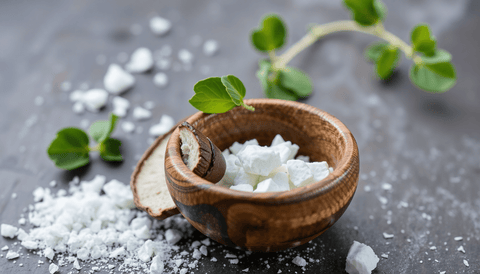
Descubra cómo el zinc para el sistema inmunológico encaja en el campo más amplio de la nutrición. Esta página presenta una visión neutral del concepto y explica cómo se enmarcan las discusiones sobre el zinc para el sistema inmunológico en la investigación y la educación. Encontrarás ideas sobre qué es el zinc, cómo piensan las personas sobre la ingesta diaria y qué considerar al planificar incluir zinc en una rutina, todo sin afirmar claims de salud. El zinc es un oligoelemento involucrado en una variedad de procesos celulares. En las conversaciones sobre el zinc para el sistema inmunológico, se enfatizan temas como la absorción, la distribución en el cuerpo y cómo diferentes factores pueden influir en su disponibilidad. Presentar estas ideas de manera equilibrada ayuda a los lectores a entender el tema como parte de la alfabetización general en nutrición y los prepara para interactuar con las directrices y recursos disponibles. Al abordar la ingesta diaria —desde los alimentos hasta los suplementos— para tratar el zinc para el sistema inmunológico, considera estrategias que se adapten a tu vida cotidiana. Enfócate en la consistencia, presta atención al tamaño de las porciones y a la información de las etiquetas, y reconece que la ingesta puede provenir de múltiples canales. Si piensas en tomar suplementos, consulta a un profesional de la salud para alinearte con tus circunstancias personales y las directrices locales, y sé consciente de los límites superiores recomendados para evitar posibles problemas. Estar informado te permite navegar la información sobre el zinc para el sistema inmunológico con claridad y confianza. Esta página tiene como objetivo ofrecer una base neutral y pasos prácticos para ampliar la lectura o la conversación futura.
Zinc para el sistema inmunológico: cómo este mineral fortalece tus defensas
Zinc is an essential trace mineral that contributes to a wide range of bodily functions. For many people, interest in zinc focuses on its well-known role in helping to maintain a healthy immune system. This page serves as a broad overview of the topic, explaining what zinc is, how it is thought to interact with immune defenses, and what you should consider for daily intake through both foods and supplements. We will explore different aspects of the mineral to give you a useful foundation for making informed choices.
Understanding Zinc's Role in the Body
Zinc is a trace element, meaning only small amounts are needed for good health, yet it is involved in over a hundred enzymatic reactions in the body. These processes are fundamental to cell growth, protein synthesis, and DNA creation. In the context of immune function, zinc is known to be a vital component for the development and communication of immune cells. It is often discussed in nutritional science for its role in maintaining the body's natural defenses, though it is not a cure or treatment for any illness.
The body relies on a consistent external supply of zinc because it does not have a dedicated storage system for the mineral. This makes regular dietary intake particularly important. Discussions around absorption and availability often come up when talking about practical nutrition, as different nutrients and dietary patterns can influence how well zinc is utilized by the body.
Key Sources of Zinc in Your Diet
Meeting your zinc needs typically starts with a balanced and varied diet. Many foods naturally contain this mineral, making it accessible through normal eating patterns. A practical approach is to include a variety of zinc-rich foods throughout the week, as the body's absorption can be more efficient when intake is spread out.
Common food sources include:
- Oysters and other shellfish, which are particularly rich in zinc.
- Red meat and poultry, which provide highly absorbable forms of zinc.
- Legumes, such as chickpeas, lentils, and beans.
- Nuts and seeds, including pumpkin seeds and cashews.
- Whole grains and fortified breakfast cereals.
While these foods can contribute significantly to daily intake, factors like plant-based diets (where zinc absorption can be lower) might require more careful planning. For those with specific dietary needs, a broad mineral supplement guide can offer more context on how zinc fits into a complete nutritional picture.
Zinc Supplements and the Immune System
Beyond dietary sources, zinc supplements are available in various forms, including zinc gluconate, zinc citrate, and zinc picolinate. These different forms can vary in how well they are absorbed. Supplements can be a practical way to help bridge dietary gaps, particularly for individuals whose diets may be low in zinc-rich foods.
If you are thinking about using a supplement for zinc and immune system support, it is considered best practice to consult a healthcare professional first. They can advise on appropriate forms and dosages based on individual circumstances. This is especially important because supplements are not a substitute for a healthy lifestyle, and excessive intake of zinc can lead to undesirable effects, including interfering with the absorption of other important minerals like copper.
Signs of Low Zinc and General Dosage Guidance
Maintaining adequate zinc levels is important for overall health. A deficiency can manifest in various ways, and while it's not a common condition, recognizing potential signs can be valuable.
What are the first signs of low zinc?
The first indicators of low zinc can be subtle and are not exclusively specific to a deficiency. They may include a weakened sense of taste or smell, poor appetite, hair loss, and a tendency to get infections more easily. Slow wound healing is another potential sign. If you are experiencing any of these, it is best to discuss them with a doctor rather than self-diagnosing. A blood test is the standard way to assess zinc status.
How much zinc should I take?
General daily recommendations provide a useful baseline, but individual needs can vary. For most adults, the recommended dietary allowance (RDA) is around 8-11 mg. During periods of illness or immune challenge, some people consider zinc for immune system support, but the question of taking extra 'when sick' should be approached cautiously. It is not generally recommended to take a high dose all at once without medical advice. Using a zinc lozenge as directed on a product label is different from prolonged high-dose supplementation.
Why should you not take zinc every day?
The concern with taking zinc every day usually relates to dosage and duration. It is safe to meet your daily requirement through a normal diet without issue. However, consistently taking high-dose supplements can pose risks. The upper limit for adults is generally set at 40 mg per day from all sources. Regularly exceeding this can lead to a copper deficiency, which can cause neurological problems and anemia. It can also cause gastrointestinal distress. The key is to take only the amount you need and to do so under professional guidance for extended periods.
For a more detailed breakdown, the following table offers a quick reference for general adult recommendations:
- Adult Men: approximately 11 mg per day.
- Adult Women: approximately 8 mg per day.
- Pregnancy: approximately 11-13 mg per day.
- Upper Limit (all adults): 40 mg per day.
It is always best to aim for needs through a balanced diet first and to treat high-dose supplements as just that—a supplement to a healthy regimen, not a primary source.
Exploring Specific Supplement Categories
The way zinc interacts with the body is complex, and its role alongside other nutrients is a common area of interest. For instance, zinc is only one of many nutrients that contribute to strong immune defenses. Exploring broader categories of supplements can help you understand how different nutrients work together.
If your interest lies in general immune support, you may want to look at broader guides, such as our overview of vitamin C and its benefits for immunity and energy. For a more complete picture of how different minerals contribute to health, you might also review our comprehensive guide to mineral supplements. These resources are designed to help you navigate the landscape of dietary supplements.
Practical Considerations for Your Routine
When thinking about adding zinc for immune system support to your routine, a considered approach is best. Here are some general points to keep in mind:
- Focus on achieving a balanced diet first, as food provides a complex mix of nutrients that work together.
- If you supplement, choose a product and dosage based on your specific needs and label instructions, not guesswork.
- Be patient and consistent. Nutrient levels are built over time, not overnight.
- Always inform your healthcare provider about any supplements you are taking, especially if you also take prescription medications, as interactions can occur.
- If you are interested in high-quality formulations, you can explore options like those from
- Explore our range of trace mineral supplements for more specialized products.
Being proactive about your health and nutrition is a positive step. This guide provides a neutral foundation on the topic of zinc for immune system support. For more specific scientific details or answers to in-depth questions, we encourage you to read our individual blog articles that explore particular aspects of this mineral in greater detail.