Veelvoorkomende oorzaken van vitamine D-tekort en hoe ze te corrigeren


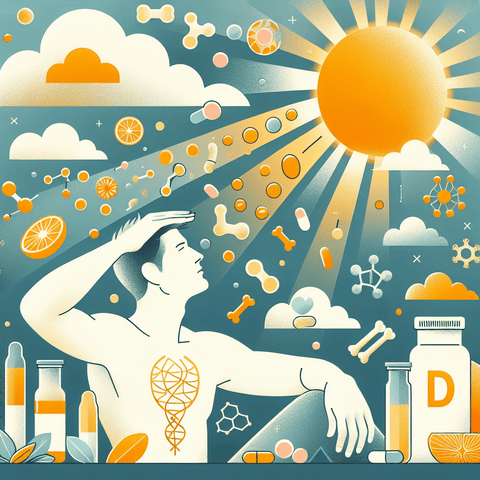
Het begrijpen van de oorzaken van vitamine D-tekort helpt te verklaren waarom de niveaus zelfs bij mensen die buiten tijd doorbrengen kunnen dalen. De meest voorkomende factoren zijn beperkte blootstelling aan de zon door binnen werken of lange winterperiodes, wonen op hogere breedtegraden waar UVB-straling zwakker is, en levensstijlkeuzes die de huidbelichting op zonlicht beperken. Verouderende huid produceert ook minder effectief vitamine D, en huidpigmentatie kan beïnvloeden hoeveel er wordt aangemaakt door blootstelling aan zonlicht. Het is belangrijk te beseffen dat de oorzaken van vitamine D-tekort sterk kunnen variëren van persoon tot persoon. Naast zonlicht kunnen verschillende medische en fysiologische factoren bijdragen. Aandoeningen die de opname of het metabolisme beïnvloeden, zoals aandoeningen van de darmen, lever of nieren, kunnen de vitamine D-status wijzigen. Obesitas wordt ook besproken als een factor die invloed heeft op hoe vitamine D wordt opgeslagen en verdeeld in het lichaam. Daarnaast kunnen bepaalde medicijnen en aanhoudende gezondheidsproblemen de verwerking van vitamine D beïnvloeden. Deze elementen illustreren dat de oorzaken van vitamine D-tekort breder zijn dan alleen blootstelling aan daglicht buiten. Bij het aanpakken van de oorzaken van vitamine D-tekort is een praktische eerste stap het raadplegen van een zorgprofessional die je medische geschiedenis kan bekijken en bespreken of testen zinvol is. Een arts kan helpen bepalen welke factoren een rol spelen en begeleiding bieden bij beslissingen over monitoring en behandeling. Praktische aanbevelingen omvatten vaak het afstemmen van zonblootstelling met veiligheidsrichtlijnen, het evalueren van levensstijlkeuzes en het opvolgen van medisch advies voor een op maat gemaakt plan. Het doel is om jouw situatie goed te begrijpen en samen met je zorgteam de juiste vervolgstappen te bepalen. Omdat de oorzaken van vitamine D-tekort verschillen tussen personen, is er geen universele oplossing. Duidelijke communicatie met een arts zorgt ervoor dat je aanpak is afgestemd op jouw risicofactoren en gezondheidscontext. Door je te richten op de onderliggende oorzaken in plaats van generieke adviezen, kun je opties met vertrouwen en duidelijkheid aanpakken.


What are the side effects of a vitamin D deficiency? - Topvitamine
Oct 28, 2025
De symptomen van vitamine D-tekort zijn vaak niet specifiek en kunnen bestaan uit vermoeidheid, spierzwakte en bot- of spierpijn. In dit artikel leest u welke oorzaken en gevolgen mogelijk zijn, hoe een tekort wordt vastgesteld en wanneer suppletie kan passen. Ook bespreken we de bijwerkingen van een vitamine D-supplement, mogelijke interacties en wat bekend is over vitamine D en diabetes.
What are symptoms of too little vitamin D? - Topvitamine
Oct 14, 2025
Symptomen van vitamine D-tekort zijn vaak vaag, zoals vermoeidheid, spierzwakte en bot- of spierklachten. Deze signalen bewijzen op zichzelf geen tekort. In dit artikel lees je welke klachten kunnen voorkomen, waardoor vitamine D laag kan worden, hoe een bloedtest werkt en welke rol zonlicht, voeding en supplementen kunnen spelen. Ook beantwoorden we veelgestelde vragen over het verhogen van je vitamine D-spiegel.
How to Know If You're Vitamin D Deficient (And What to Do About It) | Topvitamine - Topvitamine
Jul 06, 2025
Een vitamine D-tekort kan ontstaan door weinig zonlicht, beperkte inname, een verminderde opname of bepaalde medicijnen. Vermoeidheid, spierzwakte en botpijn kunnen signalen zijn, maar symptomen alleen zijn niet voldoende voor een diagnose. In dit artikel lees je hoe een vitamine D-tekort wordt vastgesteld, wat je kunt doen met voeding, veilige leefgewoonten en een vitamine D-supplement, en wanneer medisch advies verstandig is.

Vitamin D deficiency is a common nutritional concern that affects people of all ages and backgrounds. Despite its prevalence, many individuals are unaware that they may have low levels of this essential nutrient. Vitamin D is unique in that it acts more like a hormone than a typical vitamin, influencing numerous systems throughout the body. When your body doesn't have enough vitamin D, it can impact bone health, immune function, and overall wellbeing. Understanding the causes of vitamin D deficiency is essential for recognizing your risk and taking appropriate action to support healthy levels.

What Is Vitamin D Deficiency?

Vitamin D deficiency occurs when your blood levels of vitamin D fall below what your body needs to function optimally. Healthcare providers typically assess vitamin D status by measuring a form of the vitamin called 25-hydroxyvitamin D in the blood. While definitions can vary slightly, blood levels below 20 nanograms per milliliter (ng/mL) are generally considered deficient, while levels between 20-30 ng/mL may be considered insufficient.

Vitamin D performs many important functions in the body. It helps regulate calcium and phosphorus levels, which are critical for maintaining strong, healthy bones. Vitamin D also supports immune function, muscle function, and cellular processes. When levels are inadequate, these bodily systems may not operate at their best, which is why maintaining sufficient vitamin D status is important for overall health.

Major Causes of Vitamin D Deficiency

Vitamin D deficiency typically results from a combination of factors. Understanding these causes can help you identify which ones may be affecting you and what steps you might take. The main contributors to vitamin D deficiency include:

  • Insufficient sun exposure
  • Limited dietary intake
  • Impaired absorption or metabolism
  • Certain health conditions
  • Some medications

Limited Sun Exposure

Sun exposure is the primary natural source of vitamin D. When your skin is exposed to ultraviolet B (UVB) rays from the sun, your body produces vitamin D. However, many factors can reduce this natural production. People who live in northern latitudes, work indoors, or spend most of their time away from direct sunlight may not get enough UVB exposure to maintain healthy vitamin D levels. During winter months, especially in regions far from the equator, the angle of the sun may be too low for effective vitamin D synthesis, even when spending time outdoors.

The use of sunscreen also influences vitamin D production. While sunscreen is important for protecting skin health and preventing sun damage, it also blocks the UVB rays needed for vitamin D synthesis. Balancing sun protection with adequate vitamin D production requires careful consideration of individual circumstances, skin type, and geographic location. Many health experts recommend brief, unprotected sun exposure for limited periods, followed by sun protection for prolonged outdoor time.

Dietary Factors and Vitamin D Intake

Only a limited number of foods naturally contain vitamin D. Fatty fish such as salmon, mackerel, and sardines are among the best natural sources. Cod liver oil also provides substantial amounts of vitamin D. Some foods, including certain dairy products, orange juice, and breakfast cereals, are fortified with vitamin D to help people meet their needs. However, for many people, dietary intake alone may not be sufficient to maintain optimal levels, particularly if they follow restrictive diets or have limited access to vitamin D-rich foods.

People following plant-based diets may face additional challenges, as most natural dietary sources of vitamin D come from animal products. Fortified plant milks, mushrooms exposed to UV light, and supplements can help address this gap. Understanding the vitamin D content of your regular diet can help you determine whether you may need additional support from supplements.

Health Conditions Affecting Vitamin D Absorption

Certain health conditions can interfere with vitamin D metabolism. Digestive disorders that affect fat absorption, such as Crohn's disease, celiac disease, and ulcerative colitis, can reduce the body's ability to absorb vitamin D from food and supplements. Since vitamin D is fat-soluble, it requires dietary fat for proper absorption in the intestines.

Kidney and liver conditions can also affect vitamin D status because these organs play important roles in converting vitamin D into its active form. When the kidneys or liver are not functioning optimally, the body may struggle to use vitamin D effectively, even if dietary intake is adequate. Additionally, some research suggests that excess body weight may affect vitamin D levels, possibly because vitamin D is sequestered in fatty tissue rather than being readily available for use.

Medications That May Influence Vitamin D Levels

Some medications can affect vitamin D metabolism. Certain weight-loss drugs, anticonvulsant medications used for seizure disorders, and glucocorticoids (steroids) have been associated with altered vitamin D status. These medications may either reduce absorption or increase the breakdown of vitamin D in the body. If you take any medications regularly, it is advisable to discuss their potential effects on vitamin D status with your healthcare provider.

Recognizing Potential Signs of Deficiency

Many people with vitamin D deficiency experience no obvious symptoms, which is why it is often called a silent deficiency. When symptoms do appear, they can be subtle and easily attributed to other causes. Some common signs that may be associated with low vitamin D levels include:

  • General fatigue and tiredness
  • Bone and back pain
  • Muscle weakness and aches
  • Mood changes or low mood
  • Frequent illness or infections

These symptoms are not specific to vitamin D deficiency and can result from many other health conditions. Experiencing these signs does not necessarily mean you have low vitamin D levels. A blood test is the only reliable way to determine your vitamin D status and whether you are deficient.

Practical Steps to Support Healthy Vitamin D Levels

Addressing vitamin D deficiency involves a multi-faceted approach that considers your individual circumstances. While sun exposure and dietary changes may help some people improve their levels, others may require supplements to reach optimal status. Here are some general strategies that healthcare providers may recommend:

  1. Moderate sun exposure based on your skin type, geographic location, and the time of year
  2. Including vitamin D-rich foods in your diet, such as fatty fish, egg yolks, and fortified foods
  3. Considering vitamin D supplements when dietary and lifestyle changes are not enough
  4. Working with a healthcare provider to determine appropriate testing and supplementation strategies

When supplements are recommended, they come in various forms, including capsules, softgels, and liquid drops. Your healthcare provider can help you determine the right form and dosage for your specific needs. If you are exploring nutritional supplements, you may find it helpful to review information about vitamin D supplements to understand the available options.

The Role of Testing and Professional Guidance

Because the causes of vitamin D deficiency vary so widely, professional assessment is often the most reliable path forward. A healthcare provider can evaluate your medical history, consider your risk factors, and order appropriate blood tests to determine your current vitamin D status. This information allows them to provide evidence-based recommendations tailored to your situation.

Self-diagnosis and self-treatment of vitamin D deficiency are generally not recommended without professional guidance. Taking excessive amounts of vitamin D can lead to toxicity, which can have adverse health effects. Working with a qualified healthcare professional helps ensure that you take appropriate and safe steps to address any deficiency you may have.

Exploring Vitamin D and Related Nutrients Further

Understanding vitamin D also involves recognizing how it interacts with other essential nutrients. Calcium and vitamin D work together to support bone health, and magnesium is involved in vitamin D metabolism. Vitamin K also plays a role in directing calcium to bones and teeth. A balanced approach to nutrition that includes these complementary nutrients can help support overall wellbeing.

For those interested in learning more about nutritional support, resources on vitamin D supplements and related products can provide additional context about how these nutrients are used in dietary supplementation. Similarly, information about bone health nutrients such as calcium and vitamin K can help you understand the broader picture of nutritional support for skeletal health.

When considering any dietary supplement, it is important to remember that supplements are intended to complement, not replace, a balanced diet. They should be used as part of an overall health strategy and under appropriate guidance. General educational information about nutrients should never replace personalized advice from a qualified healthcare professional.