Zonlichtblootstellings-Tips: Veilige, Wetenschap-ondersteunde Manieren om Gezondheid en Gemoed te Verbeteren


Wetenschappelijke onderbouwing van tips voor blootstelling aan zonlicht bieden een praktische, veiligheidsbewuste aanpak voor het gebruik van daglicht. Deze pagina behandelt wanneer en hoe lang je in de zon kunt zijn, en slimme veiligheidsgewoonten om je goed te laten voelen. Door te focussen op timing, duur en bescherming, streven deze tips voor blootstelling aan zonlicht ernaar om daglicht in een gebalanceerd dagelijks ritme te passen zonder het te overdrijven. Wanneer je naar buiten gaat en hoe lang hangt af van waar je bent, het seizoen en je huidtype. Een gangbare aanpak is om de zon te zoeken tijdens de uren dat de zon lager staat aan de hemel, zoals in de vroege ochtend of late namiddag, om de blootstelling comfortabel te houden. Begin met korte periodes op ontblote huid – gezicht, armen of handen – en pas dit geleidelijk aan op basis van hoe het voelt. Het idee is om daglichtblootstelling in gemeten doses gedurende de dag op te bouwen, in plaats van één lange periode in fel zonlicht. Slimme veiligheidsgewoonten zijn belangrijk onderdeel van elk daglichtplan. Draag zonnebrillen met UV-bescherming en een hoed om je ogen en gezicht te beschermen, en kies voor lichte kleding die gevoelige gebieden bedekt. Als je verwacht langer buiten te blijven of in feller zonlicht te komen, breng dan breedspectrum-zonnebrandcrème aan op ontblote huid en herhaal dit volgens de instructies van het product. Wanneer de UV-intensiteit hoog is, zoek dan de schaduw op en doe je tempo in je buitenactiviteiten om comfortabel te blijven. Het opnemen van tips voor blootstelling aan zonlicht in je dagelijkse routine kan je helpen af te stemmen op natuurlijke lichtpatronen op een doordachte manier. Overweeg een eenvoudige routine van korte periodes buiten op vaste tijden, en pas deze aan op basis van hoe je je voelt en de omgeving. Met op wetenschap gebaseerde adviezen en slimme veiligheidsgebaren kan daglicht een vaste, betrouwbare onderdeel worden van je dag.


What to Do to Increase Vitamin D - Topvitamine
Jan 31, 2026
Meer vitamine D krijgen kan meestal met een combinatie van veilige buitenlucht, voedingsmiddelen zoals vette vis en verrijkte producten, en zo nodig een supplement. De juiste aanpak hangt af van je leeftijd, huidskleur, leefstijl, seizoen en gezondheid. Klachten zijn niet specifiek genoeg om zelf een tekort vast te stellen. Lees hoe je vitamine D verstandig aanvult en wanneer overleg met een arts of apotheker verstandig is.
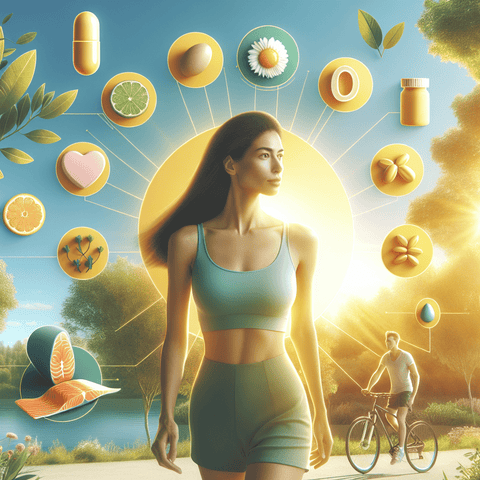
How can I quickly replenish vitamin D? - Topvitamine
Oct 28, 2025
Hoe snel vitamine D aanvullen? Een supplement kan bij een vastgesteld tekort meestal gerichter zijn dan alleen voeding of zonlicht, maar het herstel verschilt per persoon. Lees hoe vitamine D3 en D2 zich verhouden, welke voedingsmiddelen vitamine D leveren, waarom inname met een maaltijd handig is en wanneer bloedonderzoek of overleg met een zorgprofessional verstandig is.

How to increase vitamin D quickly? - Topvitamine
Oct 28, 2025
Vitamine D snel verhogen kan meestal het best met een combinatie van een passend supplement, vitamine D-rijke voeding en veilige leefgewoonten. Hoe snel je waarde stijgt, hangt af van je uitgangswaarde, opname en persoonlijke situatie. In dit artikel lees je hoe je een tekort laat beoordelen, welke vormen en doseringen aandacht verdienen en wat bekend is over vitamine D bij diabetes, ADHD en eczeem.

Sunlight exposure tips are about balance: getting enough natural daylight to enjoy its benefits while keeping ultraviolet (UV) exposure within sensible limits. This page gives a broad overview of the whole topic — how sunlight affects the body, what shapes safe timing and duration, how vitamin D production fits in, and the protection habits that help keep daylight a positive part of your routine.

There is no universal formula for how much sun is right for any individual. Skin tone, location, season and the strength of the UV index all influence how skin responds. The sections below explain the key concepts so you can make informed choices — and recognize when a question is better discussed with a healthcare professional.

How Sunlight Affects the Body

Sunlight is made up of different wavelengths, including UVA and UVB. UVB is the part that triggers vitamin D production in the skin, while UVA penetrates the skin more deeply and is closely associated with premature skin aging. Bright light during the day is also one of the natural cues that helps keep the body's sleep–wake rhythm on track, which is why time outdoors is often discussed alongside energy and rest.

The Balanced View: Benefits and Risks

When people talk about the benefits of sunlight, they usually point to vitamin D production in the skin, the sense of wellbeing many people associate with time outdoors, and the role of bright daylight in the body's day–night rhythm. These are general observations rather than guarantees: individual responses vary, and much depends on how much skin is exposed and for how long.

The risks sit on the other side of the ledger. UV radiation causes sunburn, contributes to premature skin aging, and is a recognized risk factor for skin cancer. Exposure also adds up over a lifetime, so most health guidance emphasizes enjoying daylight while keeping the total UV load under control rather than maximizing sun time. A balanced approach treats these two sides together: daylight can fit into a healthy routine, but timing, duration and protection determine whether it works for you or against your skin.

How Long to Stay in the Sun: Timing and Duration

There is no single duration that suits everyone. How quickly your skin responds depends on your skin tone, the time of day, the season, your latitude and the UV index at that moment. As a general approach, start with short periods, watch how your skin reacts, and build up gradually — never aiming for redness or a burn. Many people find the hours when the sun sits lower in the sky, such as early morning or late afternoon, more comfortable for longer stretches, while strong midday sun calls for shorter sessions and more protection.

It is also worth knowing that short does not automatically mean risk-free. UV damage accumulates over time, and under intense conditions — around midday in summer, at high altitude, or near reflective surfaces such as water and snow — even brief exposure adds to the total load on your skin. Duration, intensity and protection all count together.

Sunlight and Vitamin D Production

The skin produces vitamin D when UVB light reaches it, but the amount produced varies widely from person to person and day to day. Skin tone, age, time of day, season, latitude, the amount of skin exposed and consistent sunscreen use all play a part. There is no universal number of minutes that guarantees an adequate vitamin D level — and sunlight is not the only source. Diet contributes too, and supplements are a common way to keep intake steady when sunlight falls short.

If sunlight is scarce where you live — during northern winters, for example, or with a largely indoor routine — food sources and supplements are the usual alternatives. Our vitamin D collection brings together relevant products alongside background information on vitamin D benefits, sources and safety. If you are unsure about your own vitamin D status, a healthcare professional can help you assess it.

Recognizing Too Much Sun Exposure

The clearest signal is sunburn: redness, warmth and tenderness that often appear a few hours after exposure and may peak later. Skin can also feel tight, itchy or dry after a long day outside. Keep an eye on the broader effects of heat as well — headache, fatigue, dizziness or nausea can signal that a hot day has taken more of a toll than visible sunburn alone. Mild cases generally settle with cooling, hydration and staying out of the sun, while severe burns, blistering or signs of heat illness are a reason to seek medical attention.

Practical Sun Safety Habits

Sun protection works best in layers, because no single measure blocks UV completely. These habits form the practical core of most sun safety guidance:

  • Wear sunglasses with UV protection to shield your eyes.
  • Use a hat to protect your face, ears and neck.
  • Choose lightweight clothing that covers sensitive areas.
  • Apply broad-spectrum sunscreen to exposed skin when you expect to stay out longer, and reapply according to the product directions.
  • Seek shade when the UV index is high and pace your time outdoors.
  • Favor the lower-sun hours of early morning and late afternoon for longer activities.

Layering these habits matters most when UV is strong, when you are outdoors for extended periods, and on reflective surfaces such as water or snow. If you take medication that makes your skin more sensitive to sunlight, or you have a history of skin problems, it is worth discussing your exposure plans with a healthcare professional.

Making Daylight Part of a Balanced Routine

For most people, the simplest way to apply these sunlight exposure tips is to keep a light routine: brief outdoor periods at consistent times, adjusted for the season, your location and how your skin responds. Over time, this turns daylight from an all-or-nothing decision into a steady, flexible part of the day — paired with shade, clothing and sunscreen whenever conditions call for them.

The information on this page is general education rather than personalized medical advice. For questions about your own skin, your vitamin D levels or your individual situation, speak with a healthcare professional. The articles collected under this tag explore specific parts of the topic in more depth, from exposure timing to seasonal vitamin D support.