
Zichtmoeheid is een brede term die een verminderd vermogen om duidelijk te zien beschrijft, of het nu in één oog is of beide. Het kan dagelijkse activiteiten, leren en werken beïnvloeden, en het is een probleem dat veel mensen beter willen begrijpen. Op deze pagina vind je informatie over de waarschijnlijke oorzaken, veelvoorkomende symptomen en de verschillende behandelingsmogelijkheden die door oogzorgexperts worden besproken. Als je veranderingen in je zicht opmerkt, is een professionele evaluatie belangrijk om te bepalen of zichtmoeheid betrokken is. Oorzaken van zichtmoeheid kunnen sterk variëren. Refractieproblemen zoals bijziendheid, verziendheid en astigmatisme zijn veelvoorkomende oorzaken, waarbij het licht niet correct op het netvlies wordt gefocusseerd. Andere oogziekten, zoals cataracten, glaucoom of maculadegeneratie, kunnen ook leiden tot zichtmoeheid naarmate mensen ouder worden. In sommige gevallen ontstaat zichtmoeheid door verwondingen of neurologische problemen die invloed hebben op hoe de hersenen visuele informatie verwerken. Het begrijpen van de onderliggende oorzaak is een belangrijke stap in het bepalen van de juiste vervolgstappen samen met een arts. Symptomen die samenhangen met zichtmoeheid kunnen variëren van subtiel tot opvallend. Mensen melden vaak wazig of vervormd zien, moeite met focussen of meer licht nodig hebben om te lezen. Andere waarschuwingssignalen kunnen dubbelzien, halo's rond lichten, frequente oogvermoeidheid, hoofdpijn of een plotselinge verandering in het zicht zijn. Omdat de symptomen kunnen verschillen en sommige aandoeningen dringend aandacht vereisen, is het belangrijk om waarschuwingssignalen vroeg te herkennen en een professionele evaluatie te zoeken om je zicht te beschermen. Behandelingsopties voor zichtmoeheid worden afgestemd op de specifieke diagnose en kunnen een combinatie van benaderingen omvatten. Afhankelijk van de oorzaak kunnen corrigerende brillen of contactlenzen, of ingrepen uitgevoerd door oogzorgspecialisten, worden overwogen. Sommige mensen kunnen baat hebben bij zichtrevalidatie of hulpmiddelen, terwijl in andere gevallen regelmatige oogonderzoeken en beschermingsstrategieën worden benadrukt. Regelmatige oogcontroles en beschermingsmaatregelen helpen bij het beheer van zichtmoeheid en bedoeld om je zicht in de loop van de tijd te beschermen.
Visiegebrek: Oorzaken, symptomen en behandelingen
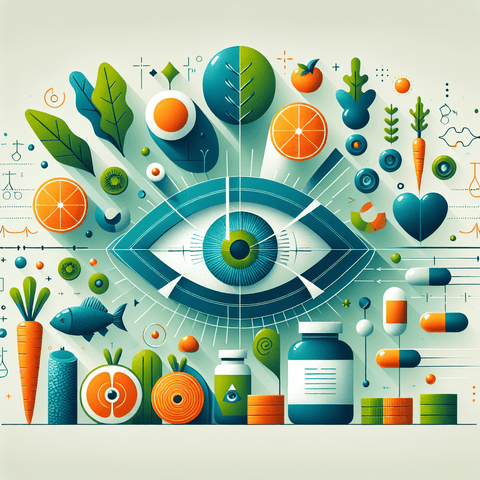
Vision deficiency is a broad term that describes a reduced ability to see clearly, whether in one eye or both. It can affect daily activities, learning, and work, and is an issue that many people seek to understand better. This page provides a high-level overview of the topic, including the different types, common causes, symptoms, and general treatment approaches. It also introduces important concepts such as color vision deficiency and refractive errors. For specific concerns about your vision, a professional evaluation is always recommended.
What Is Vision Deficiency?
Vision deficiency refers to any condition where the visual system does not function optimally. This can include difficulties with clarity, color perception, field of vision, or light sensitivity. The term is often used interchangeably with visual impairment, though the severity and specific nature can vary significantly. Some forms are correctable with glasses or contact lenses, while others may require medical or surgical intervention. Understanding the type and cause is key to finding appropriate support.
Major Types of Vision Deficiency
Vision deficiency can be categorized in several ways. The most common types include:
- Refractive errors: myopia (nearsightedness), hyperopia (farsightedness), and astigmatism, where light does not focus correctly on the retina.
- Color vision deficiency: difficulty distinguishing certain colors, most commonly red and green. This is often inherited and more common in men.
- Age-related conditions: cataracts, glaucoma, and macular degeneration, which can develop over time and affect vision.
- Neurological or injury-related vision loss: damage to the eye, optic nerve, or brain areas responsible for processing visual information.
Common Causes and Risk Factors
The causes of vision deficiency are varied. Refractive errors are typically due to the shape of the eye. Color vision deficiency is usually genetic, though it can also result from certain eye diseases or medications. Age-related eye conditions become more common as people get older. Other factors include eye injuries, diabetes, neurological disorders, and in rare cases, nutritional deficiencies. Regular eye exams can help detect issues early, especially when there is a family history of eye disease.
Symptoms and Warning Signs
Symptoms can range from subtle to noticeable. People often report blurred or distorted vision, difficulty focusing, or needing more light to read. Other warning signs include double vision, halos around lights, frequent eye strain, and headaches. Color vision deficiency may be less obvious and is sometimes identified during school screenings or occupational tests. Sudden changes in vision, eye pain, or flashes of light require immediate medical attention.
Diagnosis and Treatment Options
Diagnosis typically involves a comprehensive eye exam, which may include visual acuity tests, color vision testing, and examination of the retina and optic nerve. Treatment depends on the specific diagnosis. Corrective lenses can address refractive errors. Some conditions, such as cataracts, may be treated with surgery. Vision rehabilitation and assistive devices can help individuals adapt to vision loss. For color vision deficiency, there is no cure, but special glasses and apps may help some people distinguish colors more easily. Regular monitoring is important for managing progressive conditions.
Nutrition and Eye Health
Certain nutrients play a role in maintaining eye health. Vitamin A is essential for vision, and deficiencies in this vitamin can lead to night blindness and other eye problems. Antioxidants like vitamin C and E, as well as minerals such as zinc, may help protect against oxidative stress in the eyes. Omega-3 fatty acids, particularly DHA, are also important for retinal health. While a balanced diet is the best source of these nutrients, some individuals may consider supplements if their intake is insufficient. Always consult a healthcare professional before starting any new supplement.
For those interested in nutritional support for eye health, explore our vitamin A category and our antioxidant supplements. These categories offer a range of products that may complement a healthy diet.
When to See a Doctor
- Sudden loss of vision in one or both eyes.
- New or worsening blurred vision, double vision, or eye pain.
- Flashes of light, floaters, or a curtain-like shadow over your vision.
- Difficulty distinguishing colors that affects daily tasks.
If you experience any of these symptoms, seek prompt medical attention. Regular eye exams are also important for early detection of eye conditions, especially if you have risk factors such as diabetes or a family history of eye disease.
Exploring Further
This tag page provides a broad overview of vision deficiency. For more specific topics, such as color vision deficiency, refractive errors, or nutritional approaches to eye health, explore the related articles listed on this page. You can also browse our natural supplements collection for general wellness support.