¿Qué es la efectividad de los nutrientes y por qué importa?
La efectividad de los nutrientes es la proporción de vitaminas y minerales que el organismo realmente absorbe y utiliza, no simplemente la cantidad presente en los alimentos o la que figura en la tabla nutricional. Para que un nutriente cumpla su función, el cuerpo debe liberarlo del alimento, absorberlo en el intestino y convertirlo a su forma activa. Cada una de estas etapas influye en cuánto aprovechamos finalmente de lo que comemos.
Conviene distinguir tres términos que suelen confundirse. La biodisponibilidad se refiere a la proporción del nutriente que se absorbe y queda disponible para el organismo. La bioeficacia describe la eficacia con la que ese nutriente absorbido se convierte en su forma activa. La eficiencia de uso de nutrientes (NUE) es un concepto agrícola relacionado con las plantas, no con la absorción humana. Un nutriente puede ser biodisponible pero tener baja bioeficacia, por lo que la efectividad real depende de ambas etapas.
- Biodisponibilidad: proporción del nutriente que se absorbe y queda disponible.
- Bioeficacia: eficacia con la que el nutriente absorbido se convierte en su forma activa.
- Eficiencia de uso de nutrientes (NUE): concepto agrícola, referido a las plantas, no a la absorción humana.
Comprender estos conceptos conecta directamente con la salud general y con el funcionamiento del sistema inmunitario: un buen aprovechamiento de las vitaminas y minerales favorece un estado nutricional adecuado y contribuye al correcto funcionamiento del organismo.
Los 5 nutrientes más importantes y su efectividad
No existe una lista universal de los nutrientes más importantes, ya que cada persona tiene necesidades distintas en función de su dieta, edad y estado de salud. Aun así, estos cinco nutrientes son buenos puntos de partida para entender cómo funciona la efectividad en la práctica:
- Vitamina C: antioxidante, apoyo inmunitario y mejora de la absorción del hierro vegetal.
- Vitamina D: salud ósea e inmunidad; su efectividad depende de la grasa y de la exposición solar.
- Hierro: transporte de oxígeno; el hierro no hemo se absorbe mejor con vitamina C.
- Calcio: salud ósea; su absorción se ve influida por la vitamina D y por compuestos como los fitatos.
- Zinc: función inmunitaria y cicatrización; su absorción puede reducirse por fitatos y taninos.
La vitamina C participa en funciones antioxidantes y en el apoyo al sistema inmunitario, y además facilita la absorción del hierro de origen vegetal cuando se consume en la misma comida. Las principales fuentes incluyen cítricos, pimientos, brócoli y kiwi.
La vitamina D interviene en el metabolismo del calcio y en la salud ósea, y se asocia con el funcionamiento normal del sistema inmunitario. Su absorción se favorece cuando se consume junto con grasas, y el organismo la sintetiza también a partir de la exposición solar. En la dieta aparece en pescados grasos, huevos y alimentos fortificados.
El hierro es esencial para el transporte de oxígeno en la sangre. Existe en dos formas principales: el hierro hemo, procedente de alimentos de origen animal, y el hierro no hemo, presente en legumbres, verduras de hoja verde y cereales fortificados. El hierro no hemo se absorbe mejor cuando se combina con vitamina C.
El calcio contribuye a la salud ósea y al funcionamiento normal de los músculos. Su absorción se ve influida por la vitamina D y puede reducirse por compuestos como los fitatos y los oxalatos. Las fuentes más habituales son los lácteos, el pescado con espinas, las almendras y los vegetales de hoja verde.
El zinc participa en la función inmunitaria, en la síntesis de proteínas y en el proceso de cicatrización. Se encuentra en carnes, mariscos, legumbres y semillas. Su absorción puede verse reducida por fitatos presentes en legumbres y cereales integrales, así como por taninos del té y el café.
En todos los casos, la efectividad de cada nutriente depende de la combinación de alimentos, de la forma en que se preparan y de la salud digestiva individual. No se trata de memorizar una lista, sino de entender que la misma cantidad de un nutriente puede aprovecharse de forma distinta según el contexto de la comida.
Factores que influyen en la absorción de nutrientes
La absorción de nutrientes no depende solo de lo que se come, sino también de cómo se preparan los alimentos, con qué se combinan y del funcionamiento del sistema digestivo de cada persona. Estos son los principales factores:
- Preparación de alimentos y matriz de la comida.
- Combinación de alimentos en la misma comida.
- Interacciones entre nutrientes.
- Salud digestiva individual.
Preparación de los alimentos y matriz de la comida
El calor rompe las paredes celulares de los alimentos y puede liberar compuestos como el betacaroteno, que resultan más fáciles de aprovechar una vez cocinados. Sin embargo, hervir en abundante agua puede filtrar vitaminas hidrosolubles, como la vitamina C y las del grupo B, hacia el caldo; si este se descarta, esa fracción se pierde.
La matriz de la comida —fibra, agua y otros compuestos presentes en el alimento— también condiciona la liberación de los nutrientes. Además, incluir grasas saludables en la misma comida ayuda a absorber las vitaminas liposolubles (A, D, E y K), que de otro modo aprovechan peor.
Interacciones entre nutrientes
Las interacciones entre nutrientes pueden mejorar o dificultar su absorción. La vitamina C mejora la absorción del hierro no hemo cuando se consume en la misma comida, lo que convierte a las combinaciones de legumbres con pimientos o tomate en una estrategia sencilla y habitual.
Por el contrario, los fitatos presentes en legumbres, cereales integrales y frutos secos, y los taninos del té y el café, pueden reducir la absorción de hierro y zinc. Se trata de efectos documentados, no de reglas absolutas: una dieta variada y equilibrada tiende a compensar estas fluctuaciones a lo largo del día.
Salud digestiva individual
La acidez gástrica y las enzimas digestivas son esenciales para descomponer los alimentos y liberar los nutrientes que contienen. La microbiota intestinal contribuye a la descomposición de ciertos componentes y al equilibrio digestivo, aunque debe entenderse como un factor contribuyente, no como una solución por sí sola.
La variación individual es grande: la edad, el estado de salud, la medicación y las condiciones digestivas de cada persona influyen en la absorción. Por eso las mismas cantidades de un nutriente pueden aprovecharse de forma distinta de una persona a otra.
Formas prácticas de mejorar la efectividad de los nutrientes
Pequeñas decisiones de preparación y combinación pueden marcar la diferencia en el aprovechamiento de los nutrientes, sin necesidad de cambios radicales en la dieta. Estas son algunas de las estrategias más sencillas y sostenibles:
- Hierro vegetal + vitamina C (lentejas con pimientos, ensalada de espinacas con tomate).
- Vitaminas liposolubles + grasas saludables (ensalada con aguacate o aceite de oliva).
- Cocinar al vapor en lugar de hervir prolongado para preservar vitaminas hidrosolubles.
- Remojar legumbres y cereales antes de cocinar para reducir fitatos.
- Fermentar cereales y legumbres como técnica tradicional que reduce fitatos.
Cocinar al vapor o al microondas con poca agua ayuda a preservar las vitaminas hidrosolubles frente a un hervido prolongado. Del mismo modo, aprovechar el caldo de cocción de las legumbres permite recuperar parte de los minerales y vitaminas que se han disuelto en el agua.
Las técnicas tradicionales de remojo y fermentación reducen el contenido de fitatos en legumbres y cereales, lo que facilita la absorción de minerales como el hierro y el zinc. Son métodos sencillos que ya formaban parte de muchas cocinas y que siguen siendo útiles hoy.
La base sigue siendo una dieta variada y equilibrada: cuanto más amplio sea el abanico de alimentos consumidos, mayor es la probabilidad de cubrir las necesidades de vitaminas y minerales. Variar colores, tipos de verduras, legumbres, cereales y fuentes de proteína es la estrategia más robusta a largo plazo.
Suplementos: ¿mejoran la efectividad de los nutrientes?
Los suplementos nutricionales son complementarios, no sustitutivos de una alimentación equilibrada y variada. Pueden ser útiles en situaciones concretas —etapas de la vida o circunstancias en las que las necesidades son mayores o la dieta es limitada—, pero no deben entenderse como un atajo que compense una alimentación deficiente.
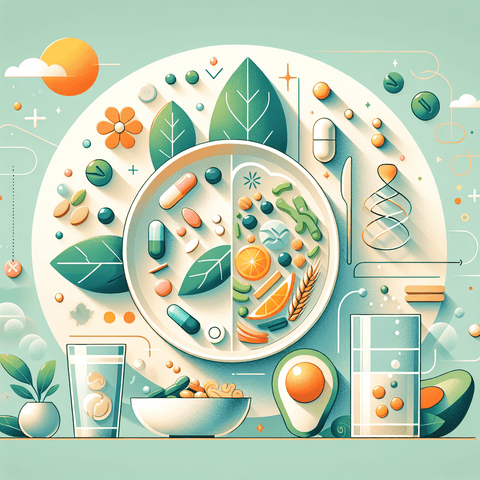
La formulación influye en la absorción. Existen diferencias relevantes entre las distintas formas disponibles:
- Minerales quelados (unidos a aminoácidos), con absorción más favorable que algunas sales minerales inorgánicas.
- Vitaminas liposolubles formuladas con aceites o emulsionantes.
- Suplementos de calidad reconocida, con sellos de verificación por terceros.
La vitamina D formulada en forma de cápsula con aceite, por ejemplo, aprovecha mejor la naturaleza liposoluble del nutriente que una tableta sin grasa. Del mismo modo, los minerales en forma quelada suelen tolerarse y absorberse de manera más favorable que algunas sales minerales inorgánicas, aunque esto varía según el nutriente y la persona.
Antes de tomar cualquier suplemento conviene consultar con un profesional de la salud, especialmente si se sigue medicación, durante el embarazo o la lactancia, o si existen condiciones de salud previas. Las necesidades y la respuesta a la suplementación varían de persona a persona, y un profesional puede valorar cada caso concreto.
Preguntas frecuentes sobre los nutrientes
¿Qué beneficios nos aportan los nutrientes?
Las vitaminas y minerales participan en funciones fisiológicas esenciales: la liberación de energía a partir de los alimentos, el transporte de oxígeno, la formación de huesos y tejidos, la función antioxidante y el correcto funcionamiento del sistema inmunitario. Los beneficios de los nutrientes se refieren a estas funciones establecidas, siempre dentro de una alimentación equilibrada y del conjunto de la dieta.
¿Cuáles son los 5 nutrientes más importantes?
Como se ha visto en la sección correspondiente, una selección representativa incluye la vitamina C, la vitamina D, el hierro, el calcio y el zinc. La importancia real de cada uno depende de la dieta, la edad y el estado de salud de cada persona, por lo que conviene valorar el conjunto de la alimentación y no un nutriente aislado.
¿Cómo puedo mejorar la absorción de nutrientes?
Las estrategias más sencillas incluyen combinar hierro vegetal con vitamina C, acompañar las vitaminas liposolubles con grasas saludables, cocinar al vapor en lugar de hervir prolongado, y remojar o fermentar legumbres y cereales para reducir fitatos. La variedad y el equilibrio de la dieta siguen siendo la mejor base.
¿Los suplementos mejoran la efectividad de los nutrientes?
Pueden ser útiles en situaciones concretas en las que las necesidades son mayores o la dieta es limitada, pero no sustituyen a una alimentación equilibrada. Su efectividad depende de la formulación, de la biodisponibilidad de las formas utilizadas y de la respuesta individual de cada persona.
En situaciones específicas, como el manejo nutricional durante un cáncer de mama o en personas con lupus, las necesidades y las interacciones pueden ser particulares. En esos casos es imprescindible contar con orientación profesional individualizada: no conviene aplicar recomendaciones generales sin supervisión médica o dietética.
Conclusión: una visión equilibrada
La efectividad de los nutrientes es un concepto complejo y multifactorial que depende tanto del alimento como de la persona que lo consume. No basta con elegir alimentos ricos en vitaminas y minerales: importa cómo se preparan, con qué se combinan y cómo los aprovecha el sistema digestivo de cada individuo.
No existen superalimentos milagrosos. La variedad, el equilibrio y una preparación cuidadosa son la base de un buen aprovechamiento nutricional. Las estrategias comentadas —combinaciones adecuadas, cocción que preserve los nutrientes, técnicas tradicionales de remojo y fermentación— son simples, sostenibles y están bien establecidas, sin necesidad de promesas exageradas.
Los suplementos pueden tener su lugar en situaciones concretas, pero son un complemento, no un sustituto. Para necesidades individuales —embarazo, lactancia, edad avanzada o condiciones específicas de salud— lo más recomendable es consultar a un profesional de la salud, que podrá valorar cada caso y orientar las decisiones adecuadas.