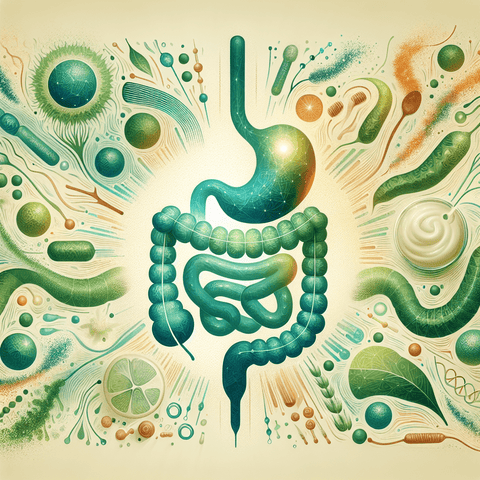
Probiotics are a cornerstone topic in digestive and immune health. This guide provides a broad, science-grounded overview of what probiotics are, how they relate to your gut microbiome, their potential benefits, and key considerations for choosing foods and supplements. Here, we map the landscape of this important subject, offering a foundation for more specific questions and guiding you through the essential concepts.
What Are Probiotics and How Do They Work?
Probiotics are live microorganisms, primarily bacteria and some yeasts, that are intended to provide health benefits when consumed in adequate amounts. They are often called "good" or "friendly" bacteria because they help maintain a balanced environment in your gut, known as the microbiome. This internal ecosystem of trillions of microbes influences digestion, nutrient absorption, and the training and support of the immune system.
The way probiotics work is complex and strain-specific. They can interact with the gut's immune cells, produce beneficial compounds like short-chain fatty acids, and compete with potentially harmful bacteria for nutrients and attachment sites. It is crucial to note that not all probiotics are the same; health effects are often linked to specific strains. For example, Lactobacillus rhamnosus GG, Bifidobacterium animalis subsp. lactis BB-12, and Lactobacillus plantarum 299v are among the well-studied strains, but even within the same species, different strains can behave very differently.
Potential Health Benefits of Probiotics
Research into probiotics has explored their role in a variety of health areas. While effects are often specific to the strain and individual, some of the most consistent areas of study include:
- Digestive Health: Supporting regular bowel movements and overall gut comfort.
- Immune Support: Helping to maintain a healthy immune response, particularly in the gut, which houses a large portion of your immune system.
- Nutrient Metabolism: Contributing to the breakdown and absorption of certain dietary components.
It is essential to understand that these are areas of potential benefit, and individual responses to probiotics can vary significantly. The scientific community continues to study how probiotics can be used most effectively, but they are not a cure or guaranteed preventive measure for any illness. They should be viewed as one part of a balanced lifestyle.
Probiotic Foods vs. Supplements
Probiotics can be obtained from two primary sources: fermented foods and dietary supplements. Including a variety of fermented foods in your diet is a natural way to consume beneficial bacteria. Common examples include:
- Yogurt and kefir (dairy or non-dairy based)
- Sauerkraut and kimchi (unpasteurized)
- Miso and tempeh
- Some types of cheese (e.g., Gouda, cheddar, cottage cheese)
Supplements offer a more concentrated and specific dose of particular strains. When choosing a supplement, it's important to look beyond just the brand name. We have a guide to probiotic and prebiotic supplements which explains key labels in more detail.
Key Considerations When Choosing a Probiotic
Navigating the supplement aisle can be challenging. Here are the most important factors to consider to make an informed choice.
Understanding Strain Specificity
The identity of a probiotic is defined by its genus, species, and strain. For example, in Lactobacillus rhamnosus GG, Lactobacillus is the genus, rhamnosus is the species, and GG is the strain. Because benefits are often strain-specific, look for a product that clearly states the full strain name on the label. This ensures you are getting a formulation that has been studied for its specific characteristics.
CFU Counts and Viability
The potency of a probiotic is often measured in colony-forming units (CFUs). A higher CFU count does not always mean a better product, but it should be consistent with what was used in the research for that specific strain. More importantly, check for a "viability guarantee." This ensures that the bacteria will still be alive at the time of expiration, not just at the time of manufacture. Also, follow the storage instructions on the label (some require refrigeration) to maintain the product's effectiveness.
Third-Party Testing and Transparency
Choosing a product from a reputable manufacturer that uses third-party testing can provide extra assurance of quality. This independent verification can confirm that the product contains the strains and CFU count listed on the label. Transparency is key: look for products that are open about their strain verification and quality control processes.
Prebiotics and the Microbiome
To fully understand probiotics, it's helpful to be familiar with prebiotics. While probiotics are live beneficial bacteria, prebiotics are a type of non-digestible fiber that serves as food for those bacteria. By nourishing the good bacteria already in your gut, prebiotics help create an environment where probiotics can thrive.
Prebiotics are found naturally in foods like garlic, onions, bananas, oats, and leeks. Many probiotic supplements also include prebiotics, creating a combination product known as a synbiotic. Understanding this relationship is essential for anyone interested in optimizing their gut health.
Safety and Who Should Be Cautious
For most healthy individuals, probiotics are considered safe and well-tolerated. Some people may experience mild and temporary digestive changes, such as gas or bloating, when they first start taking them. However, certain groups should exercise caution and consult a healthcare professional before using probiotics, including:
- People with a weakened immune system or those who are immunocompromised.
- Individuals with severe underlying illnesses.
- People taking medications that may interact with probiotics, such as certain antibiotics or immunosuppressants.
- Those with central venous catheters or who have recently undergone major surgery.
As with any supplement, it is always best practice to speak with your doctor or a qualified healthcare provider to determine if a probiotic is appropriate for your specific health situation. This is especially important if you have a pre-existing medical condition or are currently taking prescription medication.
Frequently Asked Questions About Probiotics
Here are concise answers to some of the most common broad questions people have about probiotics.
What exactly are probiotics good for?
Probiotics are most widely studied for their role in promoting a healthy balance of gut bacteria. This can translate to supporting digestive health and regularity, and contributing to a normal, healthy immune response. It's important to view them as a tool for supporting general wellness rather than as a treatment for any specific ailment.
What are signs you need a probiotic?
There is no single sign that definitively means you 'need' a probiotic. However, people sometimes consider them if they experience frequent digestive discomfort, have recently taken a course of antibiotics (which can disrupt the gut flora), or are looking to proactively support their gut and immune health. While there are signs that may suggest an imbalanced gut, it is best to discuss your individual situation with a healthcare professional to determine if a probiotic is right for you.
Exploring the Microbiome and Beyond
Your gut health is a complex and personal topic. As research grows, the connection between the microbiome and overall health becomes clearer. This guide serves as a foundational resource, and we encourage you to delve deeper into specific topics like prebiotics, specific strains, and the relationship with your overall nutritional plan. For a broader view, you may also find our guide to superfoods or our guide to multivitamins helpful for understanding how different nutrients work together to support your health.
Finally, remember that incorporating probiotics into your routine is just one piece of the puzzle. A balanced diet, regular exercise, and proper sleep are all fundamental to maintaining a healthy microbiome. You can explore our collection of probiotic and prebiotic supplements to see what options are available, but always prioritize a holistic approach to your well-being.